
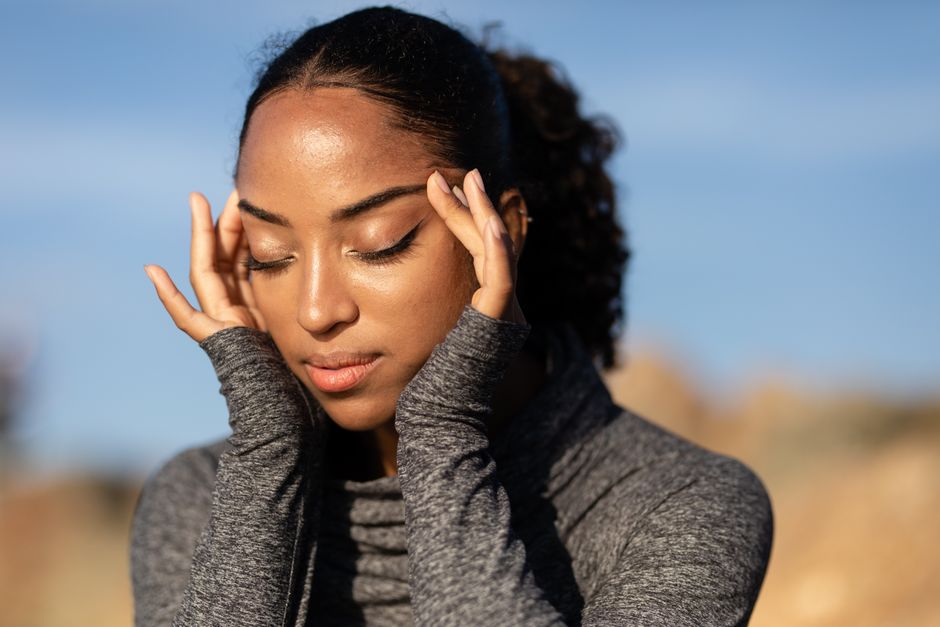
Headaches are one of the most commonly reported side effects after COVID-19 vaccination. For most people, a post-vaccine headache starts within the first 24 hours, peaks in intensity over the next several hours, and fades within one to three days without any treatment.
That timeline reflects what large safety monitoring systems have observed across millions of doses. A smaller number of people report headaches lasting up to a week. Headaches that persist longer than that, or that feel unusually severe, are uncommon and worth discussing with a doctor.
How Long Do Headaches Last After The Covid Vaccine?
Most post-vaccination headaches resolve within 24 to 72 hours. This pattern holds across all the major vaccine types used in the United States, including the mRNA vaccines and the protein-based options.
Data from large passive surveillance systems — the kind that collect reports from anyone who chooses to submit them — consistently place headache among the top reported side effects after COVID-19 vaccination. The same systems show that the vast majority of these headaches are mild to moderate and self-limiting.
A smaller group of people report a headache that lingers for four to seven days. This is still considered within the range of a normal immune response, though it is less common than the 1-to-3-day pattern.
Headaches lasting beyond a week after vaccination are unusual. When they happen, they may have nothing to do with the vaccine at all. Headaches are extremely common in daily life, and a new headache that starts a week after a shot could easily be coincidental — a tension headache, a migraine, dehydration, poor sleep, or stress.
Why Does The Covid Vaccine Cause Headaches?
The headache is not caused by the virus or by the vaccine ingredient itself in any direct toxic sense. It is a byproduct of immune activation.
When your immune system responds to the vaccine, it releases signaling molecules called cytokines. These molecules help coordinate the immune response. They also affect blood vessels and nerve sensitivity in ways that can produce headache, fatigue, muscle aches, and fever.
This is the same process that produces the general “flu-like” feeling many people get during a real infection. The vaccine is essentially training your immune system without the danger of a full infection. The headache is a sign the training is happening.
It is worth noting that the absence of a headache does not mean the vaccine is not working. Immune responses vary widely from person to person. Some people mount a strong response with no symptoms at all.
How Does This Compare To Headaches From Other Vaccines?
Headache after vaccination is not unique to COVID-19 vaccines. It is a well-documented reaction to many vaccines, including those for influenza, shingles, and hepatitis B.
What stands out with the COVID-19 vaccines is how frequently headache gets reported compared to some older vaccines. Part of this is likely biological — the immune response to these vaccines tends to be more noticeable. Part of it is also reporting behavior. Because these vaccines were new and widely discussed, people may have been more likely to notice and report side effects than they would with a routine flu shot.
Clinical trials and post-authorization monitoring have not identified a headache pattern that is fundamentally different from what is expected with other vaccines that strongly activate the immune system.





When Should You Worry About A Headache After Vaccination?
Most post-vaccine headaches do not require medical attention. There are specific situations where you should seek care, and they are worth knowing clearly.
- A headache that is sudden and severe — often described as the worst headache of your life, reaching peak intensity within seconds to a minute
- A headache accompanied by vision changes, confusion, weakness on one side, difficulty speaking, or loss of consciousness
- A headache with a stiff neck, high fever that will not come down, or sensitivity to light that feels extreme
- A headache that gets steadily worse over several days instead of improving
- A headache that persists beyond one week despite rest, fluids, and over-the-counter pain relief
These signs do not mean the vaccine caused something dangerous. They mean a medical evaluation is needed to rule out other causes. Blood clots in the brain are extremely rare after vaccination, but they have been reported in very small numbers with certain vaccine platforms. The symptoms above are the ones that would prompt a doctor to check for that possibility.
If you are unsure whether your headache is in the normal range, a call to your doctor or a nurse line is reasonable. There is no downside to asking.
What Helps A Post-Vaccine Headache Go Away Faster?
Rest, fluids, and time are the mainstays. Most post-vaccine headaches respond to the same things that help ordinary headaches.
Over-the-counter pain relievers such as acetaminophen or ibuprofen are commonly used and generally effective for this type of headache. If you take them, follow the label directions. Do not exceed the recommended dose.
Some clinicians have raised a theoretical concern that taking anti-inflammatory drugs like ibuprofen right around the time of vaccination could blunt the immune response. The evidence on this is mixed and not strong enough to support a firm recommendation either way. If you need relief, taking a standard dose is reasonable. If you can manage without it, that is also reasonable.
Hydration matters more than many people realize. Fever and sweating can lead to mild dehydration, which makes headaches worse. Drinking water throughout the day after vaccination is a simple step that often helps.
Cold compresses on the forehead or back of the neck can take the edge off. Resting in a dark, quiet room helps if light or sound makes it worse.
If your headache is severe and not responding to these measures, contact a healthcare provider rather than waiting it out.
Does The Second Dose Cause A Worse Headache?
For many people, yes. Side effects after the second dose of an mRNA vaccine tend to be more noticeable than after the first.
This is not a rule. Some people have a stronger reaction to the first dose. Others have no headache at all with either dose. The pattern varies.
The reason the second dose often hits harder is that your immune system is already primed. The first dose taught it to recognize the spike protein. The second dose triggers a faster, stronger response — and that stronger response can mean more noticeable symptoms.
If you had a significant headache after your first dose, it is reasonable to plan for the possibility of one after the second. That might mean scheduling your shot when you have a lighter day ahead, keeping pain relievers on hand, and planning to rest.
Do Booster Shots Cause The Same Headache Pattern?
Booster doses produce a similar range of side effects, including headache, but the frequency and intensity tend to be lower than after the primary series.
This has been observed consistently in the data collected after booster campaigns. The immune system is already well-trained by that point, so the reaction is often milder. That said, individual experiences vary. Some people report a headache after a booster that is just as noticeable as earlier doses.
The timeline is the same. If a headache comes, it typically starts within the first day and resolves within a few days.
What If Your Headache Lasts Longer Than A Week?
A headache that lasts more than a week after vaccination is not typical. It does not automatically mean something is wrong, but it does mean the vaccine is probably not the whole explanation.
At that point, it makes sense to think about other common causes. Are you sleeping well? Drinking enough water? Under unusual stress? Have you changed your caffeine intake? Do you have a history of migraines or tension headaches?
It is also worth remembering that headaches are one of the most common reasons people see a doctor, and most headaches — including ones that happen to start after a vaccine — have ordinary explanations.
If a headache persists beyond a week, worsens over time, or interferes with your daily life, see a healthcare provider. They can evaluate whether something else is going on and help you manage it.
Frequently Asked Questions
How long do headaches last after the COVID vaccine?
Most post-vaccine headaches last between 24 and 72 hours. A smaller number of people report headaches lasting up to a week.
Is a headache after the COVID vaccine normal?
Yes. Headache is one of the most commonly reported side effects after COVID-19 vaccination and is considered a normal sign of immune activation. It does not mean anything went wrong.
Should I take ibuprofen after the COVID vaccine for a headache?
Over-the-counter pain relievers like ibuprofen or acetaminophen are commonly used and generally effective for post-vaccine headaches. Follow the label directions and do not exceed the recommended dose.
When should I see a doctor for a headache after vaccination?
See a doctor if the headache is sudden and severe, comes with vision changes, confusion, weakness, or a stiff neck, or lasts longer than a week. These signs do not mean the vaccine caused harm, but they warrant evaluation.
