
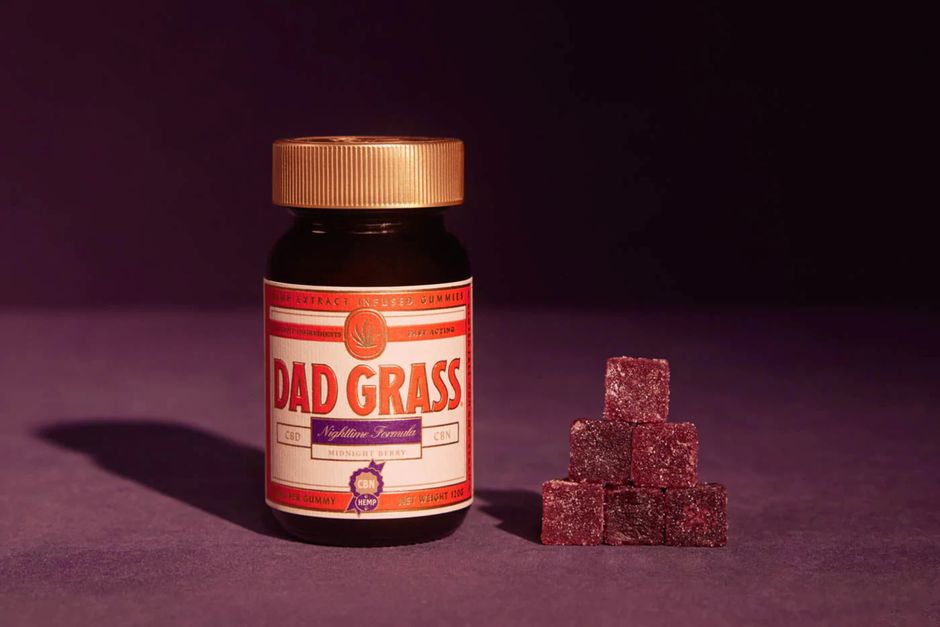
Edibles can take much longer to wear off than most people expect. The THC in an edible typically produces noticeable effects within 30 minutes to 2 hours, peaks around 2 to 4 hours after ingestion, and can last 6 to 8 hours or longer. The full experience — including lingering grogginess or fatigue — can stretch to 12 hours or more, especially with a high dose or for someone who uses cannabis infrequently.
The reason edibles behave so differently from smoked or vaped cannabis comes down to how the body absorbs and processes THC. Understanding that process helps explain why the timeline varies so much from person to person, and why the most common edible mistake is taking more before the first dose has fully kicked in.
How Long Do Edibles Take To Wear Off?
Most people feel the main effects of an edible fade within 6 to 8 hours, but the complete return to baseline often takes longer. Some people feel entirely normal after 4 hours. Others feel foggy or tired for 12 hours or more. Both are within the normal range.
The timeline has three distinct phases:
- Onset: 30 minutes to 2 hours after eating. Some people feel effects within 30 minutes; for others, it takes the full 2 hours.
- Peak: roughly 2 to 4 hours after ingestion, when effects are strongest.
- Decline: effects taper off over several hours. The main high usually resolves by 6 to 8 hours, though residual effects can linger.
These ranges come from the pharmacology of oral THC and are widely reflected in public health guidance. They are averages, not guarantees. A person’s actual timeline depends on dose, tolerance, body composition, liver function, and whether they ate on a full or empty stomach.
One point that surprises many people: the “high” ending and the drug leaving your body are two different things. You may feel completely sober while THC metabolites are still detectable in your system for days or weeks. Fading effects do not mean the drug is gone.
Why Do Edibles Take So Much Longer Than Smoking?
Smoking delivers THC straight to the lungs and into the bloodstream, so effects begin within minutes. Edibles take a completely different route through the digestive system, and that route is slower and less predictable.
When you swallow an edible, the THC travels to your stomach and then your small intestine, where it is absorbed into the bloodstream. That absorption step alone accounts for much of the delay. From there, the blood carries THC to the liver, which processes it before it reaches the rest of the body.
The liver is where something important happens. It converts a portion of the THC into a related compound called 11-hydroxy-THC. This metabolite crosses into the brain more readily than THC itself and is generally considered more potent. This conversion is one reason edible effects can feel stronger and last longer than the effects of the same amount of smoked THC.
That liver conversion also explains why edibles hit some people much harder than others. Liver enzyme activity varies between individuals and can be affected by genetics, medications, and other factors. Two people can eat the same product and have noticeably different experiences.
What Makes Edibles Last Longer For Some People?
Several factors stretch out the edible timeline, and they often stack on top of each other. A person with several of these factors may feel effects far longer than the average 6 to 8 hours.
Dose is the biggest single factor. A higher dose generally means stronger and longer effects. This is why public health guidance emphasizes starting with a low dose, particularly for people new to edibles.
Tolerance works in the opposite direction. Regular cannabis users often feel less from the same dose and may clear effects somewhat faster, though the difference is not dramatic.
Food in the stomach matters more than many people realize. Taking an edible after a large meal can slow absorption, which delays onset and can make the experience feel more drawn out. Taking it on an empty stomach tends to bring effects on faster.
Body composition and metabolism play a role because THC is stored in fat tissue and released slowly over time. People with more body fat may experience a longer, more gradual decline in effects.
Liver function and genetics affect how quickly THC is converted and cleared. This is not something a person can easily predict about themselves.
Age can matter too, since metabolism tends to slow with age, though the effect is gradual and modest.





Why Does the Same Edible Affect People So Differently?
Two people can split the same edible and have very different experiences. This is not a sign that one of them did something wrong. It reflects real biological variation in how each body handles THC.
Absorption rates differ based on what else is in the digestive tract and how the edible was formulated. Liver enzyme activity differs between individuals. Tolerance differs based on history of use. Even the same person can have a different experience on a different day depending on sleep, stress, hydration, and what they ate.
This variability is one of the most important things to understand about edibles. It means you cannot reliably predict your experience from someone else’s, and it means the standard advice to “start low and go slow” exists for a good reason.
What Should You Do If an Edible Feels Too Strong?
The most important thing to know is that time is the main remedy. There is no proven way to rapidly reverse edible effects once they have started. The body has to metabolize the THC on its own.
If someone feels overwhelmed, the general approach is to stay calm, get to a safe and comfortable place, and wait it out. Effects peak and then decline. Most intense experiences ease within a few hours.
A common mistake is taking more because “nothing is happening yet” during the first hour or two. Because onset can take up to 2 hours, adding more before that window closes can lead to a much stronger experience than intended. Waiting is the safer choice.
Some people experience significant anxiety, nausea, or a racing heart. In most cases these ease as the drug clears. However, some situations warrant medical attention. Seek help if someone has chest pain, severe difficulty breathing, a very rapid heartbeat that does not settle, fainting, or signs of a possible heart attack or stroke. Call emergency services for anything that looks serious.
This is especially important for children and pets, who can be seriously harmed by edible cannabis. If a child eats an edible, contact poison control or emergency services right away. Do not wait to see how it goes.
How Long Do Edible Effects Last Compared to Other Forms?
The differences between cannabis forms come down to how quickly THC enters the bloodstream and how long it stays active. The table below shows the general patterns, though individual experiences vary.
| Form | Typical onset | Typical duration of main effects |
|---|---|---|
| Smoked or vaped | Within minutes | 1 to 3 hours |
| Edibles (oral) | 30 minutes to 2 hours | 6 to 8 hours or more |
| Tinctures (under the tongue) | 15 to 30 minutes | Several hours |
These are general ranges. A high-dose edible can last well beyond 8 hours, and a very small dose may fade in 4. The pattern matters more than the exact number: edibles start later and last longer than inhaled forms.
One clarification worth making: “wearing off” and “leaving the body” are not the same. Fading effects mean you feel sober again. It does not mean THC is out of your system. Metabolites can remain detectable in urine for days or even weeks after a single use, and longer with regular use. That distinction matters for anyone facing a drug test, where a fading high is not a reliable sign of a clean result.
What About Next-Day Grogginess?
Many people wake up the morning after an edible feeling foggy, tired, or slow. This is common, especially after a higher dose or for people who use cannabis infrequently. It is sometimes described as a “cannabis hangover,” and while it is not a formal medical diagnosis, the experience is widely reported.
The grogginess usually fades over a few hours. It does not mean something went wrong. It reflects that THC and its metabolites can still be present and active in the body well after the main high has passed.
People who need to drive, operate machinery, or make important decisions the next morning should factor this in. Feeling “mostly fine” is not the same as being fully clear-headed, and the safe approach is to avoid driving until you feel completely normal.
Frequently Asked Questions
How long does a 10mg edible last?
A 10 mg edible typically produces main effects lasting about 6 to 8 hours, with the peak around 2 to 4 hours after ingestion. Effects can linger longer for people new to cannabis or those with slower metabolism.
Can an edible still be felt the next day?
Yes, some people feel foggy or tired the morning after, especially after a high dose. This usually fades within a few hours, but you should avoid driving until you feel fully normal.
Why did my edible take 2 hours to kick in?
Onset varies based on digestion, food in the stomach, and how your liver processes THC. Taking an edible after a large meal can slow absorption and delay effects by an hour or more.
How long does THC stay in your system after an edible?
THC metabolites can be detectable in urine for days after a single edible and longer with regular use. Feeling sober again does not mean the drug has fully left your body.
