
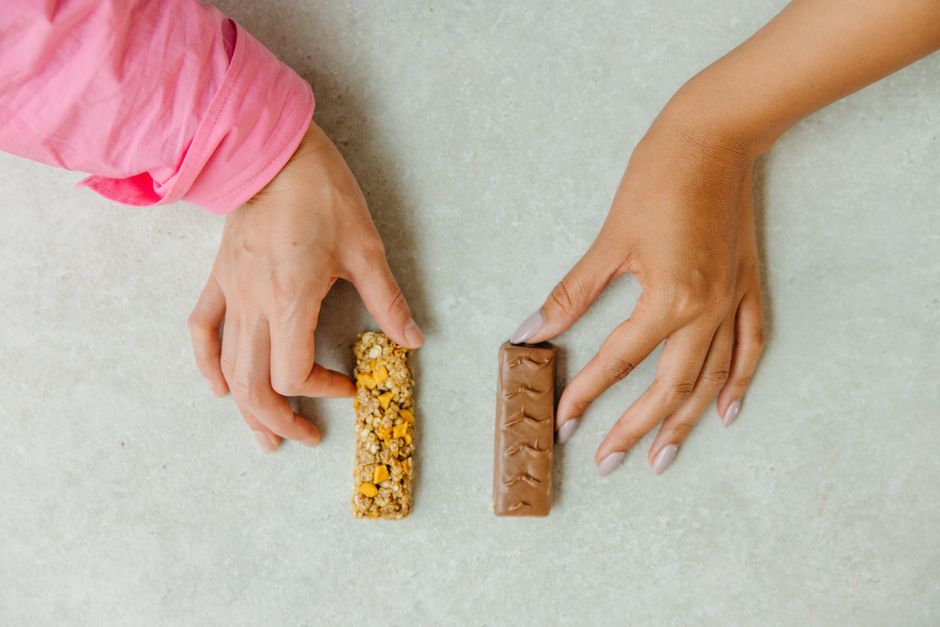
Most chocolate stays good far longer than people expect — and the date printed on the wrapper is usually about quality, not safety. Milk chocolate typically holds up for about 6 to 12 months from production, dark chocolate for 1 to 2 years, and white chocolate for roughly 4 to 8 months. Stored well, dark chocolate can stay acceptable even longer than that.
Chocolate is a low-moisture food. That single fact explains most of its shelf life. Bacteria and mold need water to grow, and chocolate does not have enough of it to support them well. What actually goes wrong over time is flavor, texture, and something called fat bloom — not spoilage in the way you would think of with milk or bread.
How Long Do Different Types of Chocolate Last?
Type matters more than brand. The more milk solids and the less cocoa, the shorter the shelf life.
| Type of chocolate | Typical quality window | What shortens it |
|---|---|---|
| Milk chocolate | About 6 to 12 months | Milk solids, warmth, humidity |
| Dark chocolate | About 1 to 2 years | Heat, strong odors, light |
| White chocolate | About 4 to 8 months | High milk and cocoa butter content |
| Chocolate with nuts or fruit | Shorter than the chocolate around it | Nuts and fruit go stale or rancid first |
| Chocolate with cream or fresh filling | Days to a few weeks | Moisture — this is a real food safety issue |
These are quality windows, not safety deadlines. A bar past its date is not automatically unsafe. But the eating experience does change, and some fillings cross a line where the food genuinely can make you sick.
What Is the Difference Between “Best By” and an Expiration Date?
Most chocolate carries a “best by” or “best before” date. That is a quality marker. It tells you when the maker expects the texture and flavor to be at their peak, not the point after which the food becomes dangerous.
True expiration dates are used on foods where safety is time-sensitive — think fresh meat, dairy, or prepared foods. Chocolate is not in that category, with one big exception: anything with a perishable filling. If a chocolate contains fresh cream, fresh fruit, or a dairy-based ganache that was never shelf-stable, treat it like the perishable food it is. Those should be refrigerated and eaten quickly. The date on that box matters much more.
This is where a lot of people get confused. They see a date and assume the food is spoiled the next day. For a plain chocolate bar, that is not how it works.
Does Chocolate Actually Go Bad?
Plain chocolate rarely spoils in the way moist foods do. Its low water content makes it a poor host for the bacteria and mold that cause foodborne illness. That is why a solid milk or dark bar can sit well past its printed date and still be fine to eat.
What does change is the fat and the flavor. Over time, the cocoa butter can separate and rise to the surface, creating a grayish-white coating called fat bloom. Sugar can also migrate to the surface, creating a rougher, sandy look called sugar bloom. Neither is a sign of spoilage. Both are cosmetic. The chocolate is still safe, though it may taste slightly duller or feel grainier on the tongue.
The real risk comes from what is mixed into the chocolate, not the chocolate itself. Nuts turn rancid. Fillings with moisture can grow mold. A chocolate-covered strawberry left at room temperature is a perishable fruit, not a shelf-stable candy.
Why Does Chocolate Turn White or Gray?
That white film is almost always bloom, and it is harmless. Fat bloom happens when chocolate is stored too warm. The cocoa butter melts, separates, and re-hardens on the surface in a different crystal form. It looks chalky but tastes normal.
Sugar bloom happens the opposite way. When chocolate moves from cold to warm, moisture condenses on the surface and dissolves some of the sugar. When the water evaporates, the sugar recrystallizes as a rough white layer.
You can often tell them apart. Fat bloom tends to look smooth and slightly waxy. Sugar bloom looks more like a fine powder. Both mean the chocolate was stored imperfectly, not that it is unsafe. If the surface bothers you, melting the chocolate down and using it in baking hides the texture completely.
How Should You Store Chocolate?
Cool, dry, and dark is the rule. A pantry that stays around 65 to 68°F is close to ideal. Heat is the main enemy because it drives fat bloom and shortens the flavor window.
- Keep it away from light, which can degrade flavor over time.
- Wrap it tightly or keep it in an airtight container so it does not absorb nearby odors.
- Store it away from strong-smelling foods. Chocolate picks up smells easily.
- Skip the refrigerator for everyday storage of plain bars.
The fridge is a debated point. Many people store chocolate there, especially in warm climates, and it will keep it from melting. But refrigeration introduces moisture and temperature swings that can cause sugar bloom and pull in fridge odors. If you must refrigerate, wrap it tightly and let it come to room temperature before unwrapping, so condensation forms on the wrapper instead of the chocolate itself.
The freezer works for long-term storage if you wrap it well and thaw it slowly, still wrapped. Again, the goal is to keep moisture off the surface.
How Can You Tell If Chocolate Has Gone Bad?
Your senses are the most reliable tool here. A date on a wrapper cannot tell you what actually happened to that bar in your kitchen.
Signs the chocolate is past its best:
- A dull, flat, or stale taste
- A gritty or grainy texture
- A waxy or greasy mouthfeel
- Nuts that taste bitter, sharp, or like old oil
Signs you should throw it out:
- Visible mold, especially on filled or fruit-containing pieces
- A sour, fermented, or clearly “off” smell
- Any chocolate with a fresh cream or dairy filling left out too long
Rancid nuts are the most common real problem in a box of assorted chocolates. Rancidity comes from fats breaking down over time, and it does not always announce itself with a smell. A sharp or bitter taste in a nut piece is a fair reason to skip it.
Does the Type of Filling Change the Shelf Life?
It changes it more than most people realize. The chocolate shell is often the most stable part of a filled candy, and the filling is where the clock really runs.
Shelf-stable fillings — caramel, nougat, praline, solid chocolate, and most nut butters — behave much like plain chocolate and last a long time. Perishable fillings — fresh cream, fresh fruit, mousse, and anything that was refrigerated at the store — are a different category. Those need refrigeration and a much shorter timeline.
Here is a detail worth knowing: a ganache made with heavy cream and a lot of chocolate can be shelf-stable if the ratio is high enough in chocolate and low enough in water. But you cannot tell that from looking. If a box was sold from a refrigerated case, keep treating it as perishable at home.
Does Chocolate Ever Become Unsafe to Eat?
Plain chocolate is not a food safety concern in the way perishable foods are. The risk lives in the fillings and in how the chocolate was handled, not in the cocoa itself.
That said, “safe” is not the same as “good.” A bar that has been through repeated heat cycles, absorbed odors, or sat next to rancid nuts is not dangerous, but it is not worth eating either. When in doubt about a filled chocolate that has been sitting out, throw it out. The cost of a single candy is not worth a bout of foodborne illness.
If you are pregnant, very young, older, or have a weakened immune system, be more careful with perishable fillings and follow standard food safety guidance for any food that contains fresh dairy or cream.
Frequently Asked Questions
How long does chocolate last past its expiration date?
Plain milk and dark chocolate can stay good for months past a “best by” date, since that date is about quality, not safety. Dark chocolate often holds its flavor for a year or more beyond it, while milk chocolate fades sooner.
Can you eat chocolate that has turned white?
Yes, the white coating is almost always fat or sugar bloom, which is harmless and not a sign of spoilage. The texture may be a little chalky, but the chocolate is still safe to eat.
Should chocolate be stored in the refrigerator?
For plain bars, a cool, dry pantry is better because the fridge adds moisture and odors that cause sugar bloom. If you live somewhere hot, refrigeration is fine as long as you wrap it tightly and let it warm up before unwrapping.
How do you know if chocolate has actually gone bad?
Look for visible mold, a sour or off smell, or nuts that taste bitter and rancid. Plain chocolate rarely spoils, but any piece with a fresh cream or fruit filling can become unsafe if left out too long.
