
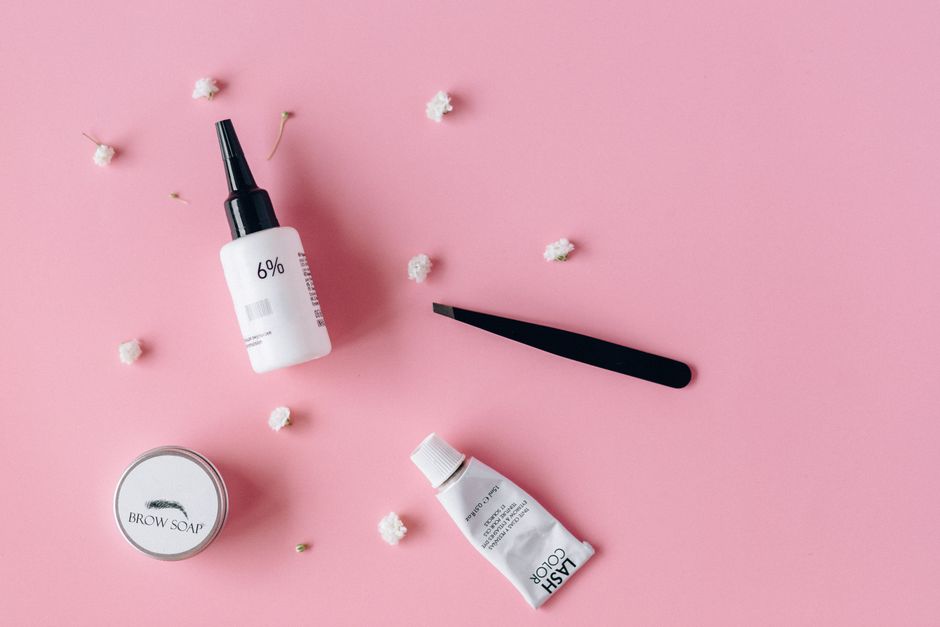
Brow lamination is a chemical treatment that straightens and sets brow hairs in a lifted, fuller shape. The effect typically lasts four to six weeks, and most people schedule a touch-up around the six-week mark. The treatment itself takes about 45 minutes, but the results fade gradually as the hairs grow out and return to their natural pattern.
How Long Do Brow Lamination Last?
Most brow lamination results last between four and six weeks. That range comes from how the treatment works, not from a fixed rule. The effects fade as the hair grows and as the chemical setting gradually relaxes.
The process has two steps. First, a chemical solution breaks bonds within the hair shaft so the hairs can be reshaped. Then a setting solution rebuilds those bonds in the new position. This is similar in principle to how hair relaxers work, though brow formulas are milder and the timing is much shorter.
Hair grows in cycles. Brow hairs typically grow slowly, and new growth pushes the treated hairs out of their set position over time. That is why the shape starts to loosen before the treated hair is fully gone. Some people see the first signs of fading around week three or four. Others hold the shape closer to six weeks.
How long your result lasts depends on several factors:
- Your natural brow hair growth rate
- How quickly your hair returns to its original pattern
- How well you follow aftercare instructions in the first 24 to 48 hours
- Whether you have oily skin, which some technicians say can affect how long the set holds
- How often you touch or rub the brow area
One point worth knowing: the treatment does not permanently change your brows. Once the treated hairs shed and new hairs grow in, your brows return to their natural pattern. There is no lasting structural change to the hair follicle itself from a standard lamination treatment.
What Happens During and After a Brow Lamination?
A brow lamination session follows a set sequence. Understanding each step helps you know what to expect and why aftercare matters.
The technician cleans the brow area and applies a lifting solution to break the hair bonds. This sits for a short time, usually several minutes. Then a setting solution goes on to rebuild the bonds in the new shape. Some technicians add a tint or a nourishing oil as a final step. The whole appointment usually runs under an hour.
Right after treatment, brows look lifted and full. The hairs are set in an upward, brushed shape. This is the peak of the result.
Aftercare in the first 24 to 48 hours matters for how long the set holds. Most technicians advise:
- Keeping brows dry for the first 24 hours
- Avoiding steam, saunas, and heavy sweating
- Not applying makeup or skincare products directly on the brows
- Not sleeping face-down or rubbing the area
These are common professional guidelines rather than rules backed by large clinical trials. The reasoning is straightforward: moisture and friction can disturb freshly set bonds before they fully stabilize. Following them is low-risk and may help the result last closer to the longer end of the range.
How Does Brow Lamination Compare to Other Brow Treatments?
Brow lamination is one of several ways to change brow shape or fullness. Each option works differently and lasts a different amount of time.
| Treatment | How it works | Typical duration |
|---|---|---|
| Brow lamination | Chemical bond reshaping of hair | 4 to 6 weeks |
| Brow tinting | Dye applied to brow hairs | 3 to 6 weeks |
| Brow waxing or threading | Hair removal to shape brows | 2 to 4 weeks |
| Microblading | Semi-permanent pigment implanted in skin | 1 to 3 years with touch-ups |
| Brow extensions | Individual hairs attached to existing brows | 2 to 4 weeks |
These durations are general ranges from common practice and product information. Individual results vary. Lamination is often combined with tinting for a fuller look, and the two fade on similar timelines.
Lamination differs from microblading in one key way. Lamination works on the hair you already have. Microblading creates the appearance of hair through pigment in the skin. They address different concerns and are not interchangeable.





Is Brow Lamination Safe?
Brow lamination involves chemical solutions applied close to the eyes, so safety deserves honest attention. For most people, the treatment is well tolerated when done by a trained professional. But it is not risk-free.
Possible side effects include:
- Skin irritation or redness around the brow area
- Dryness or brittleness in the brow hairs
- Allergic reaction to the chemicals used
- Over-processing, which can make hairs weak or cause breakage
A patch test before your first treatment is a reasonable precaution, and many technicians offer one. Tell your technician about any skin conditions, prior reactions to hair treatments, or medications that affect your skin.
There is a real gap in the evidence here. No large clinical trials have specifically studied the long-term safety of repeated brow lamination. Much of what is known comes from professional experience and reports of side effects rather than controlled studies. That does not mean the treatment is unsafe. It means the long-term data is limited, and it is fair to say so.
People with certain conditions should be cautious. If you have eczema, psoriasis, or very sensitive skin around the brows, or if you are pregnant or breastfeeding, check with a healthcare provider first. No clinical guidelines specifically address brow lamination during pregnancy or breastfeeding, so the cautious approach is to ask before proceeding.
Over-processing is the most common avoidable problem. Leaving solutions on too long or repeating treatments too soon can weaken hairs. Spacing appointments at least four weeks apart, and ideally closer to six, gives hairs time to recover.
How Can You Make Brow Lamination Last Longer?
You cannot stop hair growth, but a few habits may help your result hold closer to the six-week end of the range.
Keep the brow area clean and avoid rubbing it. Friction from pillowcases, towels, and habitual touching loosens the set over time. Brush brows gently into place with a spoolie rather than pressing or flattening them.
Limit steam, saunas, and prolonged exposure to moisture where you can. This matters most in the first two days, but reducing heavy moisture exposure throughout can help preserve the shape.
Use a gentle, nourishing brow oil or serum as your technician recommends. Some evidence suggests conditioning treatments can support hair health, though specific claims about extending lamination results are not confirmed by research. Think of it as good hair care rather than a guaranteed way to extend the set.
Book touch-ups on a sensible schedule. Going too often risks over-processing. Waiting too long means living with grown-out brows. Most people find a touch-up around week six works well, but adjust to how your own brows are holding up.
When Should You Skip Brow Lamination?
Brow lamination is not the right choice for everyone. Knowing when to skip it saves you money and potential irritation.
Skip it if you have an active skin infection, open cuts, or a rash in the brow area. Wait until the skin has fully healed. Skip it if you have had a reaction to a previous brow or hair treatment. And skip it if your brows are already thin or damaged from over-processing, since more chemical treatment can make the problem worse.
If your goal is simply fuller-looking brows, non-chemical options exist. Brow pencils, gels, and powders can create a lifted look without any treatment. They wash off, but they carry no risk of chemical irritation. For some people, that trade-off is worth it.
If you are unsure whether lamination suits your brows, a consultation with a trained technician is a low-risk first step. Ask about their experience, their patch-test policy, and what they recommend for your specific brow type.
Frequently Asked Questions
How long does brow lamination last on average?
Most results last four to six weeks. The exact time depends on your hair growth rate and how well you follow aftercare.
Can brow lamination last longer than six weeks?
Some people hold the shape slightly longer, but most see noticeable fading by six weeks. Hair growth eventually pushes treated hairs out of their set position.
Does brow lamination damage your natural brows?
When done correctly and spaced properly, it does not permanently damage brows. Over-processing from treatments done too often or left on too long can weaken hairs.
How often should you get brow lamination redone?
Most people schedule a touch-up around every six weeks. Spacing appointments at least four weeks apart gives hairs time to recover between treatments.
