
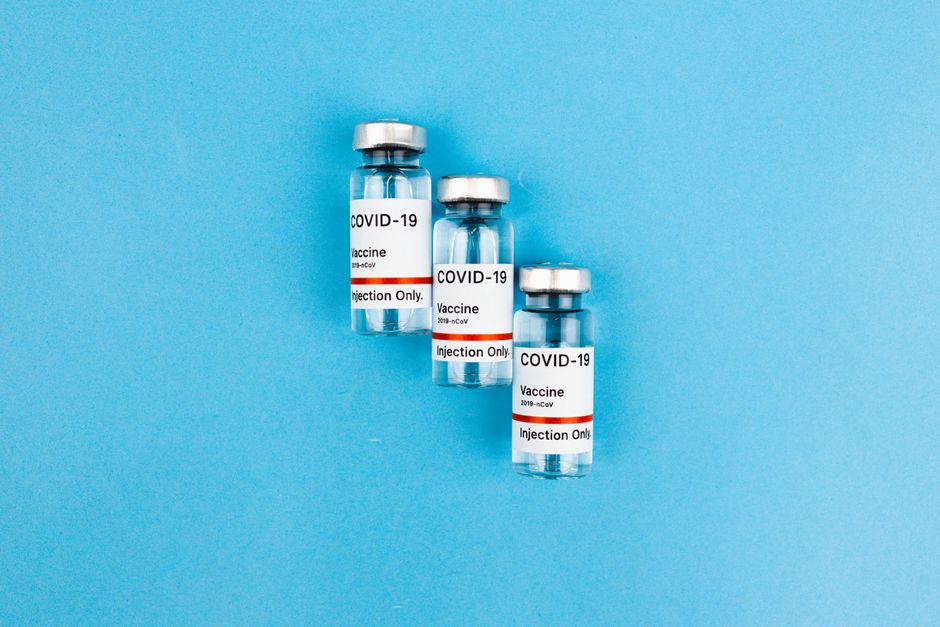
The first COVID-19 vaccines authorized in the United States arrived about 11 months after the virus was identified. That is remarkably fast. Most vaccines take 10 to 15 years to move from early research to public use. The speed did not come from skipping safety steps. It came from doing many steps at the same time, with almost unlimited funding, and from a virus that turned out to be easier to target than many scientists expected.
How Long Did The Covid Vaccine Take To Make And Why?
From the first genetic sequence of the virus to the first emergency use authorization in the US took roughly 11 months. The virus’s genetic code was published in January 2020. The Food and Drug Administration authorized the first vaccine in December 2020.
The reason it happened so fast is not one single factor. It was a stack of them.
- Scientists already had years of research on mRNA vaccines and on the coronavirus family.
- China shared the virus’s genetic sequence early, so vaccine design could begin almost immediately.
- Clinical trial phases overlapped instead of running one after another.
- Manufacturers started producing doses at large scale before they knew whether the vaccines worked.
- Governments and nonprofits poured in funding that removed the usual financial risk.
- Regulators reviewed data in real time rather than waiting for a completed application.
None of these steps removed safety monitoring. What they removed was waiting — for money, for paperwork, for manufacturing slots, and for each trial phase to finish before the next began.
Why Did the COVID Vaccine Take 11 Months Instead of 10 Years?
The traditional timeline is not mostly about science. A large share of it is about money and process. Vaccine development usually stalls between phases because a company has to decide whether to risk millions or billions on a product that may fail. That pause can last years.
For COVID-19, that pause disappeared. Funding was committed in advance. Manufacturing capacity was reserved. Companies built factories and started producing doses while trials were still running. If a vaccine had failed, those doses would have been discarded. That is expensive, but it protects nobody less.
Another factor was trial enrollment. Thousands of people volunteered within weeks. In an ordinary vaccine trial, finding enough participants can take a long time. With a global pandemic and intense public interest, enrollment was fast.
There is also a less obvious point. The virus was spreading widely during the trials. When a disease is common, it is easier to see whether a vaccine prevents it, because more people in the placebo group get sick. That can shorten the time needed to reach a clear answer.
Did the COVID Vaccine Skip Safety Testing?
No. The clinical trials followed the same phased structure used for other vaccines. What changed was the pace, not the sequence of required steps.
Phase 1 trials test safety and immune response in small groups. Phase 2 expands to a few hundred people. Phase 3 enrolls thousands to tens of thousands and compares the vaccine to a placebo. The COVID-19 phase 3 trials were large. Tens of thousands of participants were enrolled in the leading trials before any authorization.
What was compressed was the gap between phases. Researchers designed the trials so that phase 3 could begin while earlier data was still being analyzed. Regulators reviewed results as they came in rather than at the end.
One part of the process that could not be sped up is time itself. Serious side effects are usually detected within the first weeks to a couple of months after vaccination. That is why regulators required a minimum period of follow-up after participants received their final dose before considering authorization. Long-term monitoring continued after authorization through systems that track reports of side effects.
The honest position is this: the trials were large and the review was thorough, but the follow-up period at the time of authorization was shorter than for vaccines that take a decade to reach the public. That is why post-authorization monitoring mattered so much, and why it was set up at an unusually large scale.
What Role Did mRNA Technology Play in the Speed?
A large one. mRNA vaccines can be designed once the genetic sequence of a virus is known. No virus needs to be grown in a lab, and no proteins need to be manufactured and purified. The sequence is entered into the design, and the vaccine blueprint is ready in days.
This is not a new idea. Researchers had been studying mRNA vaccines for years before 2020, including for other coronaviruses and for other diseases. The technology was not proven in a large trial before COVID-19. That is a real caveat worth stating plainly. But the underlying science had been developed and tested in smaller studies, so the groundwork existed.
The same is true of the viral vector vaccines, such as the one developed by Oxford and AstraZeneca. That platform had been used in earlier vaccine research, including against other outbreaks. The speed came from building on existing platforms, not from starting from zero.
How Were the Vaccines Made So Fast Without Cutting Corners?
The corners were not cut. The waiting was cut. That distinction matters, and it is the core of the answer.
Consider manufacturing. Normally a company waits for trial results before building production lines. For COVID-19, production was scaled up in parallel with trials. This is called at-risk manufacturing. It costs money if the vaccine fails, but it saves months if it succeeds. Several governments and organizations paid for this risk directly.
Consider regulation. Agencies assigned dedicated teams and accepted rolling submissions, meaning companies could submit data as it was generated. This is a legitimate process used for other urgent medicines, not a shortcut around review.
Consider the virus. SARS-CoV-2 is a coronavirus, and the spike protein it uses to enter cells turned out to be a good target for the immune system. Some viruses are harder to design vaccines against. HIV is the classic example, and decades of work have not produced an effective vaccine. The fact that this virus was more tractable than feared contributed to the speed.
Was the COVID Vaccine Rushed?
It was fast. Whether it was rushed depends on what you mean. The timeline was shortened by overlapping steps and enormous resources. It was not shortened by ignoring trial requirements or skipping safety monitoring.
The most accurate way to describe it is this: the vaccine development process was accelerated, not abbreviated. The phases happened. The trials were large. The review was real. What changed was the waiting between each step.
It is also fair to say that the follow-up period at the time of authorization was shorter than usual. That is a genuine difference, not a marketing point. It is why monitoring after authorization was so important, and why the systems for reporting side effects were expanded. Those systems have since accumulated data on hundreds of millions of doses.
What the evidence does not support is the claim that the vaccines were untested or that safety was ignored. The trials were among the largest in vaccine history. The review was conducted by independent regulators in multiple countries. The speed came from resources and parallel work, not from lowering the bar.
Frequently Asked Questions
How long did it take to develop the COVID-19 vaccine?
About 11 months passed between the publication of the virus’s genetic sequence in January 2020 and the first emergency use authorization in the US in December 2020. Most vaccines take 10 to 15 years to reach public use.
Did the COVID vaccine skip animal testing?
No. Animal studies were part of the early development, and human trials began after those results were reviewed. The phases were compressed in time, not eliminated.
Why did the COVID vaccine come out so fast compared to other vaccines?
Funding was committed in advance, manufacturing started before results were known, trial phases overlapped, and regulators reviewed data in real time. The virus also turned out to be a more tractable target than many feared.
Was the COVID vaccine fully approved or only authorized for emergency use?
The first US vaccines were initially authorized for emergency use, and full approval followed later. Emergency use authorization is a formal regulatory pathway that still requires substantial clinical trial data.
