
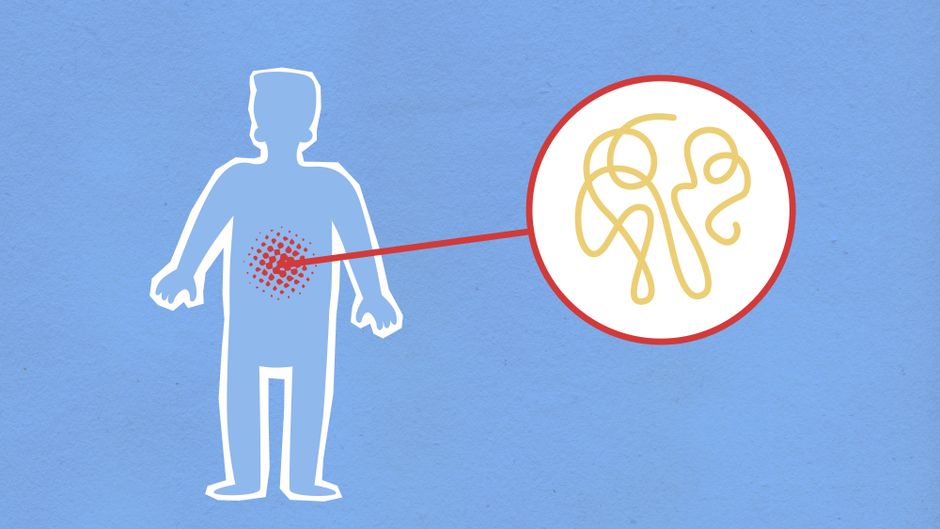
You can spread a stomach bug before you feel sick and for days after you feel better. Most people are contagious from the moment symptoms start until at least 48 hours after diarrhea and vomiting stop. Some viruses, especially norovirus, can still be shed in your stool for two weeks or longer after you feel completely fine.
How Long Contagious With Stomach Bug: The Timeline
The contagious window is longer than most people expect. It starts before symptoms appear, peaks while you are sickest, and lingers after recovery.
For norovirus — the most common cause of viral gastroenteritis in the US — the timeline looks like this:
- Before symptoms: You can shed the virus in your stool starting roughly 12 to 48 hours before you feel sick. You may not know you are contagious yet.
- During symptoms: This is peak contagiousness. Vomiting and diarrhea release large amounts of virus. The CDC notes that norovirus is highly contagious, and as few as 18 virus particles can make someone sick.
- First 48 hours after recovery: You are still contagious. Most transmission guidelines say you should stay home until at least 48 hours after your last episode of vomiting or diarrhea.
- Up to two weeks or more after recovery: You continue to shed virus in your stool. This shedding drops over time, but it means you can still pass the virus to others through poor hand hygiene after using the bathroom.
That last point surprises people. You feel fine. You are not vomiting. But the virus is still leaving your body in your stool, and if you do not wash your hands thoroughly, you can contaminate surfaces and food.
What Causes a Stomach Bug?
“Stomach bug” is a catch-all term. The medical name is viral gastroenteritis. Several different viruses cause it, and they do not all behave the same way.
Norovirus is the leading cause in adults and children in the US. It spreads easily in closed settings like schools, nursing homes, cruise ships, and restaurants. It is the classic “24-hour bug” that knocks out a whole family.
Rotavirus was once the most common cause of severe diarrhea in infants and young children. Vaccination has reduced it significantly in the US. It still causes serious illness in parts of the world where the vaccine is less available.
Astrovirus and adenovirus can also cause gastroenteritis. These tend to be less common and often milder, though that varies.
A key distinction: bacterial and parasitic infections — like those from Salmonella, E. coli, or Giardia — can cause similar symptoms but have different contagious windows and treatment approaches. When people say “stomach bug,” they usually mean the viral kind. But if symptoms are severe, bloody, or last more than a few days, a doctor may test for bacterial or parasitic causes.
How Does a Stomach Bug Spread?
The virus spreads through what doctors call the fecal-oral route. That means tiny particles of infected stool or vomit get into your mouth.
This sounds gross, but it happens more easily than people realize. Here is how:
- Direct contact: Shaking hands with someone who has the virus on their hands, or caring for a sick person.
- Contaminated food and water: If an infected person prepares food without washing their hands properly, the virus can end up on what you eat.
- Contaminated surfaces: Doorknobs, light switches, bathroom faucets, and countertops. Norovirus can survive on hard surfaces for days.
- Aerosolized vomit: When someone vomits, tiny droplets can carry the virus into the air and land on surfaces nearby. This is one reason outbreaks spread fast in enclosed spaces.
Norovirus is unusually tough. It resists many common disinfectants, including alcohol-based hand sanitizers. Hand sanitizer does not replace handwashing with soap and water when norovirus is a concern. Soap and water physically remove the virus from your hands. Hand sanitizer does not reliably kill it.



When Are You Most Contagious?
You are most contagious while you have active symptoms — especially vomiting and diarrhea. That is when the largest amount of virus is leaving your body.
But “most contagious” does not mean “only contagious.” The period before symptoms start and the days after they end both carry risk. The pre-symptom window is particularly tricky because you have no reason to stay home or avoid contact with others.
For norovirus specifically, research has shown that people can shed the virus in their stool for up to two weeks or more after recovery. Some studies suggest that people with weakened immune systems may shed it even longer. The amount of virus shed decreases over time, which means the risk drops — but it does not disappear immediately.
How Long Should You Stay Home?
The standard guidance from public health agencies is clear: stay home until at least 48 hours after your last episode of vomiting or diarrhea.
This is not just about how you feel. It is about how much virus you are still releasing. The 48-hour rule gives your body time to reduce shedding to a level that is less likely to infect others.
If you work in food service, healthcare, or childcare, the rules may be stricter. Many health departments require food handlers to stay out of work for at least 48 hours after symptoms stop, and some require longer. If you are unsure, check with your employer or local health department.
For children in daycare or school, the same 48-hour rule generally applies. Do not send a child back the day after they stop vomiting. Wait the full 48 hours.
How to Prevent Spreading It to Others
Handwashing is the single most effective thing you can do. Not hand sanitizer — soap and water. Wash for at least 20 seconds, scrubbing the backs of your hands, between your fingers, and under your nails.
Other steps that help:
- Clean surfaces with bleach-based cleaners. Norovirus is resistant to many standard disinfectants. A diluted bleach solution is one of the few things that reliably kills it on hard surfaces.
- Wash laundry thoroughly. If someone in your home is sick, wash their bedding, towels, and clothing in hot water and dry on a high heat setting.
- Do not prepare food for others while you are sick and for at least 48 hours after symptoms stop.
- Use separate bathrooms if possible. If you cannot, clean the bathroom after each use.
- Wash your hands after using the bathroom — every time, even after you feel better. Remember, you can still shed the virus for up to two weeks.
One thing that does not work well: alcohol-based hand sanitizer against norovirus. It is convenient and works against many germs, but norovirus has a tough outer shell that alcohol does not easily break down. Soap and water is the reliable option.
How Long Does a Stomach Bug Last?
Symptoms usually last 1 to 3 days for norovirus. Rotavirus tends to last a bit longer, often 3 to 8 days. Astrovirus and adenovirus fall somewhere in between.
The contagious period is longer than the symptomatic period. This is the key point that trips people up. You may feel completely normal after 48 hours, but you can still pass the virus to someone else for days or even weeks afterward.
That does not mean you need to isolate yourself for two weeks. It means you need to be diligent about hand hygiene — especially after using the bathroom — for at least two weeks after recovery. It also means you should not prepare food for others during that window if you can avoid it.
When to See a Doctor
Most stomach bugs resolve on their own. But dehydration is the main concern, especially in young children, older adults, and people with weakened immune systems.
Seek medical attention if you notice:
- Blood in your stool or vomit
- Signs of severe dehydration — dry mouth, little or no urination, dizziness when standing, sunken eyes
- Vomiting that lasts more than two days
- Diarrhea that lasts more than three days
- A fever above 104°F
- Severe abdominal pain
In infants and young children, watch for unusual sleepiness, irritability, or a lack of tears when crying. These can signal dehydration. Do not wait to call a doctor if you are concerned.
Frequently Asked Questions
How long are you contagious after a stomach bug?
You are contagious until at least 48 hours after your last vomiting or diarrhea episode. Norovirus can still be shed in your stool for up to two weeks after you feel better.
Can you spread a stomach bug before you have symptoms?
Yes. You can shed norovirus in your stool starting 12 to 48 hours before you feel sick. You may not know you are contagious during that window.
Does hand sanitizer kill stomach bugs?
Alcohol-based hand sanitizer does not reliably kill norovirus. Soap and water is the recommended way to remove the virus from your hands.
When can a child go back to school after a stomach bug?
Most schools and daycare centers follow the 48-hour rule: keep the child home until 48 hours after their last vomiting or diarrhea episode. Check with your specific school for their policy.
