
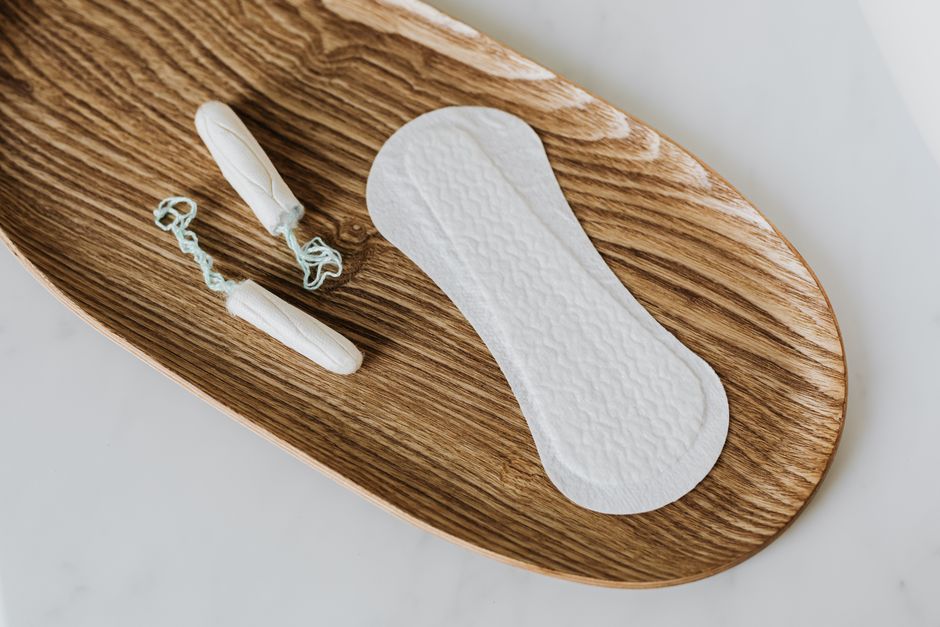
You can leave a tampon in for up to 8 hours. That is the standard guidance from tampon manufacturers and gynecologic organizations in the United States. After 8 hours, the risk of a rare but serious bacterial infection called toxic shock syndrome (TSS) rises. Most people change tampons every 4 to 6 hours, which is well within the safe window.
How Long Can You Leave a Tampon In?
Eight hours is the maximum. Not a suggestion, not a rough estimate. It is the outer limit that health agencies and tampon makers agree on.
The reason is straightforward. A tampon sits in the vagina, which is naturally home to a mix of bacteria. That environment is usually balanced and harmless. But when blood is present and a tampon stays in place for a long stretch, it can become a breeding ground for certain bacteria — particularly Staphylococcus aureus. If those bacteria release toxins into the bloodstream, the result can be toxic shock syndrome.
TSS is rare. Most estimates put the risk at roughly 1 in 100,000 menstruating people per year. But it can be life-threatening, and tampon use — especially prolonged use — is a known risk factor.
So the practical rule is simple: change your tampon every 4 to 6 hours during the day. Never push it past 8 hours. If you are not sure when you last changed it, change it now.
What Happens If You Leave a Tampon In Too Long?
Leaving a tampon in longer than 8 hours increases the chance that toxin-producing bacteria will multiply. The longer it stays, the more opportunity those bacteria have to grow and release harmful toxins.
There are also more common problems that can happen before TSS ever becomes a concern:
- Odor. Blood and bacteria sitting in a warm environment produce a strong smell.
- Irritation or discomfort. The vaginal tissue can become irritated by a tampon left in too long.
- Discharge. Unusual discharge may appear, sometimes with a different color or texture than normal.
- Infection risk. The warm, moist environment encourages bacterial overgrowth that can lead to vaginosis or other infections.
These symptoms are not a sign that TSS is developing. They are signs that the vaginal environment is out of balance. Changing the tampon and letting the area recover usually resolves them. If symptoms persist for more than a day or two, see a healthcare provider.
What Is Toxic Shock Syndrome and Who Is at Risk?
Toxic shock syndrome is a rare, life-threatening condition caused by bacterial toxins entering the bloodstream. It causes high fever, low blood pressure, a sunburn-like rash, and can lead to organ failure if not treated quickly.
TSS was first widely recognized in the early 1980s, when it was linked to a specific brand of super-absorbent tampon. That product was removed from the market. Since then, cases have dropped sharply, but they have not disappeared.
Risk factors include:
- Using high-absorbency tampons
- Leaving tampons in longer than 8 hours
- Using tampons continuously through the entire menstrual cycle
- Having a history of TSS
- Having a skin or wound infection with Staphylococcus aureus
- Recent surgery or childbirth (for non-menstrual TSS)
TSS is not limited to tampon users. It can affect anyone, including men and children, through skin infections, surgical wounds, or other bacterial exposures. But menstrual TSS is specifically tied to tampon use.
Some people are more susceptible than others. If you have had TSS before, your risk of getting it again is higher. In that case, many clinicians recommend avoiding tampons altogether and using pads or menstrual cups instead.





What Are the Warning Signs of Toxic Shock Syndrome?
TSS can progress quickly. Symptoms usually appear suddenly, within a few days of the triggering event. If you have a tampon in and develop any of these signs, remove the tampon immediately and seek emergency care.
- Sudden high fever, often above 102°F (38.9°C)
- Low blood pressure (feeling faint or dizzy when standing)
- A rash that looks like sunburn, especially on the palms and soles
- Muscle aches
- Vomiting or diarrhea
- Confusion or disorientation
- Redness of the eyes, mouth, or throat
These symptoms can resemble other illnesses, including the flu or a severe allergic reaction. That is part of what makes TSS dangerous — it is easy to dismiss early on. If you are using a tampon and feel suddenly very ill, do not wait. Remove the tampon and get medical help.
Treatment for TSS usually involves hospitalization, intravenous fluids, antibiotics, and sometimes surgery to remove infected tissue. Early treatment is critical.
Can You Sleep with a Tampon In?
You can sleep with a tampon in, but only if you can change it within 8 hours. Most people sleep 7 to 9 hours. That means if you put a tampon in right before bed, you may wake up past the 8-hour mark.
A safer approach is to use a pad or period underwear overnight. If you do wear a tampon to bed, put it in as close to bedtime as possible and change it first thing when you wake up. Do not sleep in a tampon and then leave it in through your morning routine.
If you tend to sleep longer than 8 hours, or if you are not sure how long you will sleep, choose a pad instead. It is a simple way to remove the risk entirely.
How Often Should You Change a Tampon?
Every 4 to 6 hours is the standard recommendation. That keeps you well under the 8-hour limit and reduces the chance of odor, irritation, and bacterial overgrowth.
On heavy flow days, you may need to change more often — every 2 to 4 hours. On lighter days, you might be able to stretch to 6 or 7 hours. But never go past 8 hours, regardless of flow.
Here is a quick reference:
| Flow Level | Typical Change Frequency | Maximum Time |
|---|---|---|
| Heavy | Every 2–4 hours | 8 hours |
| Moderate | Every 4–6 hours | 8 hours |
| Light | Every 6–8 hours | 8 hours |
If you find that you are soaking through a tampon in less than 2 hours, that is considered heavy menstrual bleeding. Talk to a healthcare provider. It can be a sign of fibroids, hormonal imbalance, or another condition that needs evaluation.
What If You Forget a Tampon Is In?
It happens. A tampon can get pushed high into the vagina and be forgotten, especially at the end of a period. If you realize a tampon has been in longer than 8 hours, remove it right away.
Do not panic. One instance of leaving a tampon in too long does not mean you will get TSS. The risk increases with longer use, but TSS is still rare. Remove the tampon, watch for symptoms over the next few days, and see a doctor if you develop fever, rash, or feel suddenly unwell.
If you cannot reach the tampon, do not try to dig it out with your fingers if it causes pain. See a healthcare provider. They can remove it safely. A retained tampon can cause a foul-smelling discharge, but it is usually not dangerous on its own if removed promptly.
Some people use a tampon and forget it after the period ends. If you notice a strange odor or discharge days after your period, a retained tampon is one possible cause. Your provider can check for it during a routine exam.
Are There Alternatives That Carry Less Risk?
Yes. Pads, period underwear, and menstrual cups do not carry the same TSS risk as tampons. That does not mean they are risk-free — menstrual cups have been linked to a small number of TSS cases — but the risk is lower because they do not leave a foreign body sitting in the vagina for hours in the same way.
If you want to reduce your TSS risk:
- Use the lowest absorbency tampon that works for your flow
- Alternate tampons with pads during your period
- Never wear a tampon for more than 8 hours
- Do not use tampons between periods
- Consider pads or period underwear overnight
Some people alternate tampons and pads during the day — tampon for a few hours, then a pad, then another tampon. This gives the vaginal tissue a break and lowers the overall time a tampon is in place.
If you have had TSS before, or if you have a condition that weakens your immune system, talk to your provider about the best menstrual products for you.
Frequently Asked Questions
Can I leave a tampon in for 10 hours?
No. Ten hours exceeds the 8-hour maximum recommended by manufacturers and health agencies. Leaving a tampon in that long increases the risk of toxic shock syndrome and other infections.
What happens if I accidentally leave a tampon in overnight?
If you sleep longer than 8 hours with a tampon in, remove it as soon as you wake up. One longer stretch does not guarantee TSS, but watch for fever, rash, or sudden illness over the next few days.
Can you get toxic shock syndrome from leaving a tampon in for 9 hours?
TSS risk increases with longer tampon use, but it is still rare. Nine hours is past the recommended limit, so remove the tampon and monitor for symptoms. Seek care if you feel suddenly unwell.
Is it okay to wear a tampon to bed?
Only if you can change it within 8 hours. If you typically sleep longer than that, use a pad or period underwear instead. Putting a tampon in right before bed and changing it immediately on waking is the safest approach if you do wear one.
