
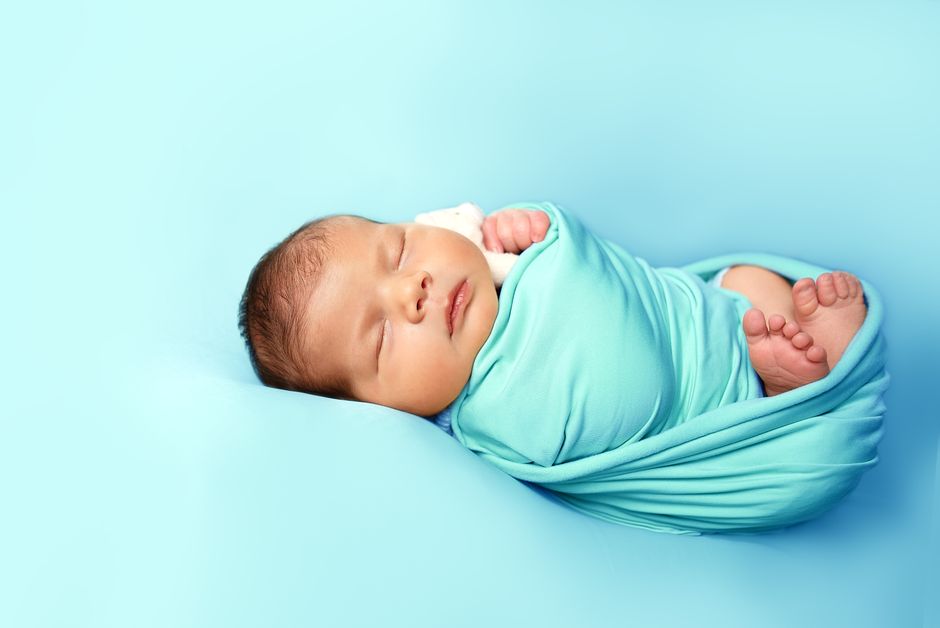
Swaddling is one of the oldest baby care practices there is, and it works — a snug wrap can calm a fussy newborn and help them sleep. But it has a clear expiration date. Most pediatric guidance points to stopping swaddling around 8 weeks of age, or as soon as your baby shows any sign of trying to roll over — whichever comes first. Rolling usually starts between 3 and 4 months, but some babies begin the motion earlier, and that changes everything about safety.
Why Does Swaddling Have a Deadline?
Because a swaddled baby who rolls onto their stomach cannot roll back.
That is the whole issue, and it is not a small one. When a baby is wrapped with arms tucked in, they lose the ability to use their arms to push up or turn their head freely. If they roll face-down while swaddled, they can end up in a position where their airway is compromised and they cannot correct it. This is why the American Academy of Pediatrics advises parents to stop swaddling as soon as a baby shows signs of attempting to roll — not weeks later, and not “once they get good at it.”
The rolling attempt itself is the signal. A baby who has rolled once will almost certainly do it again. There is no safe middle ground where a swaddled baby can roll sometimes.
How Long Can I Swaddle My Baby When To Stop?
The practical answer for most families is somewhere between birth and 8 weeks. After that, the risk of rolling rises steadily, and the benefits of swaddling start to matter less.
Here is how that timeline tends to look:
- 0 to 6 weeks: Swaddling is generally considered appropriate for sleep, with the baby placed on their back every time.
- 6 to 8 weeks: Many babies begin showing early rolling motions — rocking side to side, or pushing against the swaddle. This is the window where parents should start planning to stop.
- 8 weeks onward: Swaddling should be tapered or stopped, even if the baby has not rolled yet.
- Any time a roll happens: Stop swaddling for sleep immediately. No exceptions.
Some babies never roll early and some roll at 10 weeks. Because you cannot predict which baby yours will be, the 8-week marker exists as a safety buffer, not a suggestion that all babies are rolling by then.
What Are the Signs My Baby Is Ready to Stop Being Swaddled?
Rolling attempts are the main one, but they can be subtle before they are obvious.
Watch for these:
- Rocking from side to side while on their back
- Pushing arms up against the swaddle fabric
- Breaking one or both arms free during sleep
- Rolling onto their side, even briefly
- Lifting their legs and shifting their hips
Any one of these is enough. You do not need to wait for a full roll from back to stomach. A baby who is actively working toward rolling has already reached the point where swaddling is no longer safe for sleep.
Some parents notice the swaddle starts making things worse around this age anyway — the baby fights it, wakes more, or seems frustrated. That is a separate signal, but it points the same direction.





How Do I Transition Away From Swaddling?
Gradually, and usually over one to two weeks.
There is no single method that works for every baby, and the evidence on which approach is best is limited. What most clinicians suggest is a step-down approach rather than going cold turkey, because the sudden loss of the snug feeling can disrupt sleep for a while.
Common approaches include:
- One arm out first. Free one arm for a few nights, then the other. This lets the baby adjust to having their hands available.
- Switch to a sleep sack. A wearable blanket keeps the baby warm without restricting the arms. This is the standard next step once swaddling ends.
- Keep the same bedtime routine. The wrap was never the only thing helping your baby sleep — the routine, the dark room, and the timing all matter too.
Expect some rough nights. That is normal and it passes. If your baby was already breaking out of the swaddle on their own, the transition may actually go faster, because they have been practicing free arms already.
Is Swaddling Ever Safe After 8 Weeks?
Not for sleep, once rolling is possible.
There is one narrow situation where swaddling continues past this age: some babies in the newborn period are swaddled for short periods while awake and supervised, such as during a diaper change or a calm cuddle. That is different from swaddling for sleep, where the baby is unattended and the risk of rolling matters most.
Some products are marketed as “arms-up” or “transition” swaddles designed to be used during the rolling stage. These are not the same as traditional swaddling, and the safety evidence for them is not strong. The general principle still applies: once a baby can roll, nothing should restrict their arms during sleep.
If your baby has reflux, colic, or another condition and you are worried about stopping the swaddle, talk to your pediatrician about what is appropriate for your specific baby. There is no one-size answer for every medical situation, and a clinician who knows your baby can give better guidance than a general rule.
What About Swaddling and Hip Health?
This is a real concern, and it is separate from the rolling issue.
Swaddling that wraps the legs tightly and straight down can put stress on the hip joints. Babies’ hips are still developing, and the natural position for a newborn’s legs is bent up and out, like a frog. A swaddle that pins the legs straight can interfere with that positioning.
The fix is straightforward: swaddle the arms snugly, but leave the legs loose and able to bend. Look for swaddles labeled as hip-healthy, or wrap so the lower half of the body has room to move. The International Hip Dysplasia Institute recognizes certain swaddle designs as hip-healthy, though parents should check the label rather than assume.
This matters most in the first few months, when the hips are forming. It is one more reason the swaddling window is short — the practice serves a purpose early on and then creates more problems than it solves.
What Should I Use Instead of a Swaddle?
A sleep sack is the standard replacement.
Sleep sacks are wearable blankets that keep the baby warm without restricting movement. They come in different weights for different room temperatures, and they let the baby move their arms and legs freely while still feeling enclosed.
A few things to keep in mind:
- Choose the right size — a sack that is too big can ride up over the face.
- Dress the baby in a simple layer underneath, not a heavy outfit plus a thick sack.
- Always place the baby on their back to sleep, in their own sleep space, with no loose bedding.
If your baby is still waking frequently after the transition, that is usually a phase, not a sign the swaddle was the answer. Most babies adjust within a couple of weeks.
Does Swaddling Prevent SIDS?
No. Swaddling does not prevent SIDS, and it can increase risk if a swaddled baby rolls onto their stomach.
The evidence on swaddling and SIDS risk is mixed and has changed over time. What is clear is that the safe sleep basics — back sleeping, a firm surface, no loose bedding, and a separate sleep space — are what reduce risk. Swaddling is a comfort tool, not a safety measure.
Some parents hear that swaddling helps babies sleep longer or more deeply, which is often true in the newborn period. But deeper sleep is not automatically safer sleep, and the rolling risk is the reason the practice has a cutoff.
When Should I Call My Pediatrician?
Call if your baby has rolled while swaddled, if you are unsure whether a specific swaddle product is safe for your baby’s stage, or if sleep problems are severe enough to affect your family’s health.
You should also check in if your baby has a medical condition that you think makes swaddling more or less appropriate. There is no harm in asking. Pediatricians field this question constantly, and they can look at your baby’s specific development rather than a general timeline.
Frequently Asked Questions
At what age should you stop swaddling your baby?
Most guidance says to stop by 8 weeks, or sooner if your baby shows any sign of rolling. Rolling attempts are the hard stop, regardless of age.
Can I swaddle my baby if they are starting to roll?
No. Once a baby shows any rolling motion, swaddling for sleep should stop immediately. A swaddled baby who rolls onto their stomach may not be able to roll back or lift their head.
How do I transition my baby out of a swaddle?
Try freeing one arm at a time and then switch to a sleep sack. Expect a few disrupted nights, which usually settle within one to two weeks.
Is it safe to swaddle a baby with reflux or colic?
Swaddling may comfort some babies with these conditions, but the same rolling rule applies. Talk to your pediatrician about what is safe for your baby’s specific situation.
