
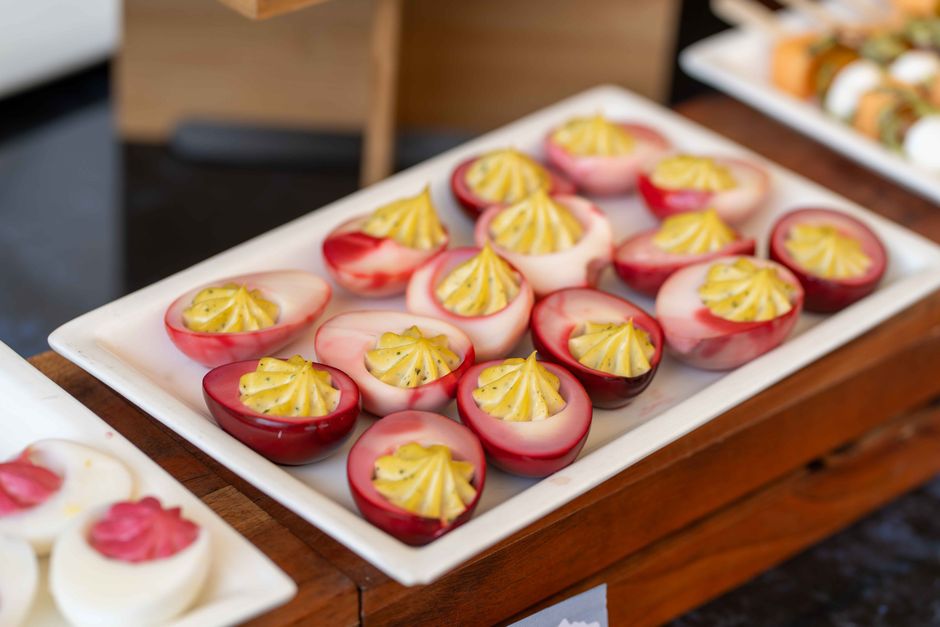
Deviled eggs are a staple at picnics, potlucks, and holiday gatherings. They are also one of the most common sources of food poisoning at these events. The short answer is that prepared deviled eggs can be safely refrigerated for up to two days, but they should never sit out at room temperature for more than two hours. Because they contain cooked egg yolks mixed with mayonnaise or other dairy-based ingredients, they require strict cold storage to prevent bacterial growth.
How Long Can Deviled Eggs Keep in the Refrigerator?
Prepared deviled eggs will keep for up to two days when stored properly in the refrigerator. This is the established window recommended by food safety authorities. After 48 hours, the quality declines noticeably, and the risk of bacterial growth increases even at proper temperatures.
The two-day rule applies only if you store them correctly. That means placing them in an airtight container and keeping your refrigerator at or below 40°F (4°C). If your fridge runs warmer than that, the safe window shrinks.
Hard-boiled eggs on their own, still in the shell, will keep for about one week. The moment you peel them, cut them, and mix the yolks with other ingredients, that timeline drops dramatically. The filling introduces moisture and fats that bacteria thrive on, which is why deviled eggs spoil faster than plain boiled eggs.
How Long Can Deviled Eggs Sit Out at Room Temperature?
Deviled eggs should not sit out for more than two hours total. This includes the time they spend on the serving table during your event. If the room is warmer than 90°F (32°C) — like an outdoor summer picnic — that window drops to just one hour.
This is not a conservative estimate. It is the standard food safety guideline because the temperature range between 40°F and 140°F is the “danger zone” where bacteria multiply rapidly. At room temperature, bacteria can double in number every 20 minutes. A plate of deviled eggs left out for three hours at a party has gone through nine doubling cycles.
If you are hosting, put out only the number of deviled eggs you expect people to eat in the first hour. Keep the rest chilled in the refrigerator and replenish the serving plate as needed. This simple habit prevents most of the food waste and health risks associated with deviled eggs.
Do Deviled Eggs With Mayonnaise Spoil Faster?
Commercial mayonnaise does not spoil as quickly as most people believe. Store-bought mayonnaise is made with pasteurized eggs, vinegar, and acid, which give it a low pH that slows bacterial growth. The mayonnaise is rarely the culprit in food poisoning cases involving deviled eggs.
The real risk comes from the eggs themselves and the handling process. Eggs are a protein-rich, low-acid food. When you boil, peel, and cut them, you create more surface area for bacteria to colonize. Mixing in other ingredients — like sour cream, yogurt, or even just extra seasonings — adds moisture and nutrients that support bacterial growth.
If you make your deviled eggs with homemade mayonnaise using raw eggs, the risk profile changes. Homemade mayo does not have the same acid balance and pasteurization guarantees as commercial products. In that case, the two-day rule still applies, but the margin for error is smaller, and you should be more careful about temperature control from the moment you make them.





How to Store Deviled Eggs to Make Them Last
Proper storage starts immediately after you assemble the eggs. Do not leave them on the counter while you clean up the kitchen. Refrigerate them within two hours of preparation, and ideally sooner.
Use a container with a tight-fitting lid. If you do not have one, cover the platter tightly with plastic wrap. The goal is to prevent the eggs from absorbing other odors in the refrigerator and to keep them from drying out.
Press a piece of plastic wrap directly against the surface of the filling before sealing the container. This prevents a skin from forming on the yolk mixture and keeps the texture creamy. Some people add a damp paper towel to the container to maintain humidity, but this is not necessary if the container seals well.
Keep deviled eggs away from the refrigerator door. The door is the warmest part of the fridge and experiences temperature swings every time it opens. Place them on a middle or lower shelf where the temperature is most stable.
Can You Freeze Deviled Eggs?
Freezing deviled eggs is not recommended. The texture of both the egg white and the yolk filling changes dramatically when frozen and thawed. Egg whites become rubbery and weep water. The filling separates and turns watery, ruining the creamy consistency that makes deviled eggs appealing.
If you have leftover deviled eggs that you cannot finish within two days, freezing them will not save them. The quality loss is severe enough that most people find the thawed results unappetizing. You are better off making a smaller batch.
What you can freeze is the hard-boiled egg yolks on their own, before you mix them with other ingredients. Frozen yolks can be thawed and used in recipes where texture matters less, like salad dressings or baked goods. But this does not apply to already-assembled deviled eggs.
How to Tell if Deviled Eggs Have Gone Bad
Trust your senses, but understand their limits. A sour or sulfurous odor is the clearest sign of spoilage. If the eggs smell off in any way, discard them immediately.
Visual changes also matter. A gray or green ring around the yolk can appear in overcooked eggs and is not a sign of spoilage. However, a slimy or sticky texture on the egg white surface indicates bacterial growth. If the filling has separated, turned watery, or developed any discoloration beyond the expected pale yellow, throw the eggs out.
Do not taste-test deviled eggs to check if they are still good. The bacteria that cause food poisoning — particularly Staphylococcus aureus and Salmonella — do not always produce a noticeable change in taste or smell. You can eat a deviled egg that looks and smells fine and still become ill.
When in doubt, throw them out. A batch of deviled eggs costs a few dollars to replace. A case of food poisoning can cost you days of illness and, in severe cases, a hospital visit.
Food Safety Tips for Serving Deviled Eggs at Events
If you are bringing deviled eggs to a gathering, transport them in a cooler with ice packs. The cooler should keep them below 40°F during the trip. Do not leave the cooler in a hot car while you run other errands.
At the event, place the deviled egg platter on a bed of ice. This keeps the eggs cold even as they sit on the serving table. A shallow pan filled with ice works well, and you can refresh the ice as it melts.
Label your serving platter with the time you put it out. This removes any guesswork about how long the eggs have been at room temperature. When the two-hour mark hits, remove the platter and refrigerate any leftovers immediately.
Leftovers that have been on a serving table are safe to refrigerate and eat later, as long as they have not exceeded the two-hour room temperature limit. Once they hit that limit, refrigeration will not make them safe again. The bacteria have already multiplied to potentially harmful levels.
Do Deviled Eggs Last Longer With or Without Paprika or Garnishes?
Garnishes like paprika, chives, or bacon bits do not meaningfully change how long deviled eggs last. These toppings are typically dry or low-moisture and do not accelerate spoilage. The same two-day refrigerator rule applies regardless of what you sprinkle on top.
One exception is if you use fresh herbs or vegetables in the filling itself. Finely chopped celery, onion, or fresh herbs add moisture and introduce more surface area for bacteria. This does not change the two-day rule, but it means you have less margin for error if the eggs are mishandled.
Add garnishes right before serving whenever possible. This keeps them fresh-looking and crisp, and it means leftover eggs do not have soggy toppings when you store them. If you are making deviled eggs a day ahead, pipe the filling but hold the garnish until serving time.
Frequently Asked Questions
How long can deviled eggs keep in the fridge?
Prepared deviled eggs keep for up to two days in the refrigerator when stored in an airtight container at 40°F or below. After that, discard them even if they look and smell fine.
Can you eat deviled eggs left out overnight?
No. Deviled eggs left out for more than two hours at room temperature should be discarded. Bacteria multiply rapidly in the danger zone between 40°F and 140°F, and refrigeration will not make them safe again.
How long do hard-boiled eggs last compared to deviled eggs?
Hard-boiled eggs still in their shells last about one week in the refrigerator. Once you peel them and make deviled eggs, the safe storage window drops to two days.
Can you make deviled eggs a day ahead for a party?
Yes, making deviled eggs a day ahead is safe and common practice. Store them in an airtight container in the refrigerator and add garnishes right before serving.
