
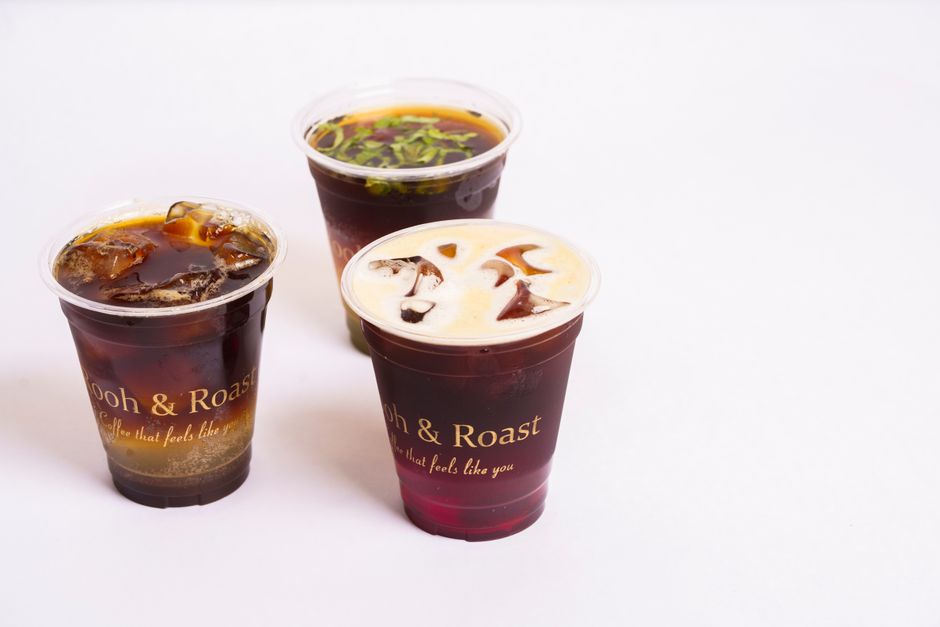
Cold brew coffee can last up to two weeks in the refrigerator, though most food safety guidance points to drinking it within three to five days for the best flavor. The lower acidity and lack of heat during brewing change how it stores compared to regular coffee. How you make it, where you keep it, and how clean your equipment is will decide whether it tastes fresh on day two or turns sour by day four.
How Long Can Cold Brew Coffee Last in the Fridge?
Refrigerated cold brew stays safe to drink for about one to two weeks, but flavor quality drops well before that window closes.
The common split is simple: safety versus taste. From a food safety standpoint, cold brew kept at or below 40°F (4°C) discourages rapid bacterial growth, which is why the outer edge of a two-week range is often cited. From a taste standpoint, most people notice a decline within three to five days. The coffee starts to taste flatter, then develops a dull, slightly sour or cardboard-like note.
That difference matters because “still safe” and “still good” are not the same thing. A batch on day ten may not make you sick, but it will not taste like the batch you made on day one.
Temperature is the single biggest factor. Every time you pull the container out and leave it on the counter, the coffee warms up and the clock speeds up. A carafe left out for an hour each morning will fade faster than one that stays cold.
What Makes Cold Brew Last Longer Than Hot Coffee?
Cold brew generally keeps longer than brewed hot coffee, and the reason comes down to chemistry.
Hot brewing extracts more of the acids that give coffee its bright, sharp edge. Cold water extracts fewer of those acids and more of the compounds that read as smooth and chocolatey. The result is a drink with lower acidity overall. Lower acidity means a less hospitable environment for some spoilage organisms, which is part of why cold brew holds up longer than a pot of drip coffee that starts tasting stale within hours.
There is a second factor: oxidation. Hot coffee begins oxidizing the moment it hits the cup, and that process drives the stale, bitter flavor people associate with old coffee. Cold brew oxidizes too, just more slowly, because it is usually stored cold and in a sealed container.
One clarification worth making: cold brew is not automatically lower in caffeine than hot coffee. Caffeine content depends on the ratio of coffee to water and how long it steeps, not on temperature. A strong cold brew concentrate can carry more caffeine per ounce than a standard drip coffee.
Does Homemade or Store-Bought Cold Brew Last Differently?
Homemade and store-bought cold brew have similar shelf lives, but the variables around them differ enough to change the timeline.
Store-bought cold brew is typically bottled or canned under controlled conditions. Sealed, unopened containers often carry a printed expiration date that can run for months, because the product is packaged to limit oxygen and microbial exposure. Once you open it, the clock resets to roughly the same window as homemade: about three to five days for peak flavor, up to about two weeks for safety if kept cold.
Homemade cold brew depends heavily on your process. The biggest risks are contamination from dirty equipment and dilution from ice. If you brew in a container that was not fully cleaned, or you leave the grounds steeping longer than intended, the batch can turn faster.
Here is a factor many people miss: a concentrate lasts longer than a diluted batch. If you brew a strong concentrate and add water or milk only when you pour a glass, the undiluted portion holds its flavor longer. Pre-diluted cold brew has more water activity and less coffee solids per ounce, so it fades sooner.




How Can You Tell If Cold Brew Has Gone Bad?
Your senses are the most reliable tool here. Cold brew that has spoiled usually announces itself clearly.
- Smell: A sour, sharp, or vinegar-like odor is a warning sign. Fresh cold brew smells like coffee, not like fermented fruit.
- Taste: A pronounced sourness or a flat, musty flavor that was not there before suggests it is past its prime.
- Look: Cloudiness, a filmy surface, or visible bubbles can indicate microbial activity.
- Texture: A slimy or thick mouthfeel is a clear sign to discard it.
If you see fuzzy growth of any kind, throw the batch out. Do not try to salvage it by heating it, and do not skim off the top and drink the rest. When in doubt, discard it. The cost of a wasted batch is far lower than the cost of a foodborne illness.
One note on appearance: cold brew can look darker or develop a slight sediment over time as fine particles settle. That alone is not a sign of spoilage. Judge by smell and taste first.
What Is the Best Way to Store Cold Brew?
An airtight container in the coldest part of the refrigerator is the best home for cold brew.
Oxygen is the enemy of flavor, so a sealed container matters more than most people realize. A mason jar with a tight lid or a bottle with a screw cap works well. An open pitcher, even in the fridge, lets the coffee absorb odors from other food and exposes it to more oxygen.
Placement matters too. The door of the refrigerator is the warmest spot because it swings open constantly. The main shelves, toward the back, stay colder and more stable. That is where your cold brew should live.
If you want to extend the life of a large batch, consider freezing part of it. Cold brew can be frozen in ice cube trays and used later in iced coffee, which avoids the dilution you get from regular ice. Frozen cold brew is best used within a couple of months for quality, though it stays safe longer.
Cleanliness is the quiet variable. Rinse your brewing equipment and storage container thoroughly before each batch. Residual oils and particles from a previous batch give spoilage organisms a head start.
Does Adding Milk or Sugar Change How Long It Lasts?
Yes. Adding milk, cream, or sugar shortens the usable life of cold brew considerably.
Black cold brew is essentially coffee and water, which limits what can grow in it. Once you add dairy, you introduce a protein and fat source that spoils faster and supports microbial growth more readily. A black cold brew might hold for a week or more, but the same coffee with milk is best finished within about two to three days.
Plant-based milks are not automatically safer here. Many contain sugars and proteins that can spoil too, and some separate or curdle in coffee. The same short window applies.
Sugar is a separate issue. Added sugar can feed certain microorganisms, so a sweetened batch tends to turn faster than an unsweetened one. The practical fix is to keep your cold brew plain and add milk or sweetener to each glass as you pour it. That way the base stays fresh and only the portion you are drinking carries the perishable ingredients.
Does Cold Brew Lose Caffeine as It Sits?
Caffeine is stable in storage. A sealed container of cold brew will not meaningfully lose caffeine over a week or two in the refrigerator.
The caffeine you brewed on day one is largely the caffeine you will drink on day five, assuming the coffee has not evaporated or been diluted. What changes is flavor, not the stimulant content. That is worth knowing if you are watching your caffeine intake, because a batch that tastes weak does not necessarily contain less caffeine.
What can change is concentration through evaporation if a container is left open. A sealed container limits that. If your cold brew tastes watered down, it is more likely from ice melting into it or from a batch that was brewed with too little coffee, not from caffeine fading.
Frequently Asked Questions
How long does cold brew last in the fridge?
Cold brew stays safe for about one to two weeks when kept at or below 40°F, but most people find the flavor is best within three to five days. After that, it tends to taste flat or slightly sour.
Can you drink cold brew after a week?
It can still be safe after a week if it was stored cold and sealed, but the flavor will have declined. Check for a sour smell, cloudiness, or a slimy texture before drinking it.
Does cold brew go bad faster with milk in it?
Yes. Adding milk or cream shortens the usable life to about two to three days, because dairy spoils faster than black coffee. Keep the base plain and add milk per glass to make it last longer.
How can you tell if cold brew is spoiled?
A sour or vinegar-like smell, visible cloudiness, bubbles, or a slimy texture are signs it has spoiled. If you notice any of these, discard the batch rather than trying to salvage it.
