
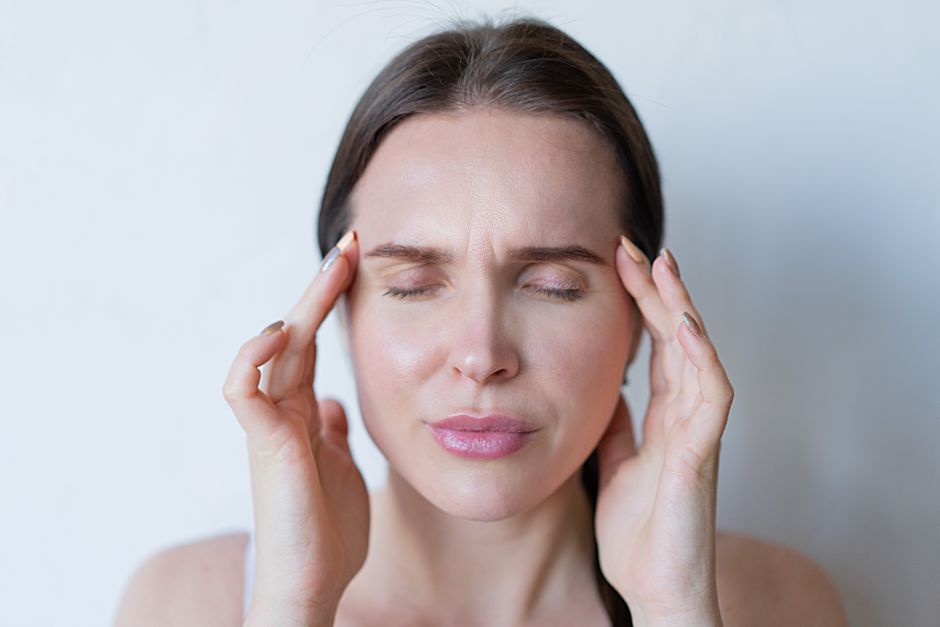
A wine headache can last anywhere from a few hours to a full day, sometimes lingering into the next morning. The duration depends largely on what caused it, how much you drank, and your individual sensitivity. Most wine headaches resolve within 24 hours, but you can take steps to shorten that window and ease the pain while it lasts.
Why Does Wine Give You a Headache?
Wine contains several compounds that can trigger headaches. The most studied are histamines, sulfites, and tannins. Histamines are natural byproducts of fermentation. Sulfites are added as preservatives. Tannins come from grape skins and seeds.
Some people are more sensitive to these compounds than others. If you get a headache after just one glass, you may be reacting to one of them. If you get a headache after several glasses, the alcohol itself is likely the main culprit.
Alcohol is a vasodilator. It widens blood vessels in your brain, which can trigger pain signals. It also increases urine output, which leads to dehydration. Dehydration alone can cause a throbbing headache.
How Long Can A Wine Headache Last And How To Help?
The typical wine headache lasts between 3 and 24 hours. Some people experience a shorter window of discomfort, around 2 to 4 hours. Others may feel the effects into the next day, especially if they drank on an empty stomach or did not drink water alongside the wine.
To help a wine headache, start with hydration. Drink a full glass of water as soon as you notice the headache forming. Continue sipping water throughout the next few hours. Electrolyte drinks can also help if you have been drinking heavily.
Rest in a quiet, dark room. Light and noise can make throbbing headaches worse. A cool compress on your forehead or the back of your neck may provide relief.
Over-the-counter pain relievers like ibuprofen or acetaminophen can help. Take them with food and water. Do not take acetaminophen if you have been drinking heavily, as the combination can stress your liver.
Eat something mild if you can. Crackers, toast, or a banana can help stabilize blood sugar. Avoid greasy or heavy food, which can make nausea worse.
Caffeine is a mixed option. For some people, a small amount of coffee or tea can constrict blood vessels and ease the headache. For others, it increases dehydration. If you normally drink caffeine, a small cup may help. If you do not, skip it.
What Is The Difference Between A Wine Headache And A Hangover?
A wine headache is not the same as a hangover, though they can overlap. A wine headache often starts within 30 minutes to 3 hours after drinking. It can happen after a single glass. A hangover typically begins the next morning after blood alcohol levels have dropped to near zero.
Hangovers involve more than a headache. They include fatigue, nausea, sensitivity to light and sound, and difficulty concentrating. A wine headache may be isolated to head pain without the full hangover package.
Red wine is more likely to trigger an immediate headache than white wine. This is because red wine has higher levels of histamines and tannins. If you consistently react to red wine but not white, this may be your trigger.
Some research suggests that a specific compound in red wine interferes with the body’s ability to clear serotonin. Elevated serotonin levels can contribute to headache pain. This mechanism is still being studied, and not all researchers agree on how significant it is.





Can You Prevent A Wine Headache Before It Starts?
Prevention is more effective than treatment. The most reliable way to avoid a wine headache is to drink less or not at all. If you choose to drink, pace yourself and drink water between glasses.
Eating before drinking helps slow alcohol absorption. A meal with protein and healthy fats is better than drinking on an empty stomach. Food also helps your body process alcohol more gradually.
Choose your wine carefully. Some people find that lower-histamine wines cause fewer problems. Organic wines may contain fewer added sulfites, but they still contain natural sulfites from fermentation. No wine is completely sulfite-free.
If you suspect histamines are your trigger, taking an over-the-counter antihistamine before drinking may help. Some people report success with this approach. However, no large clinical trials have confirmed that antihistamines prevent wine headaches. Talk to your doctor before combining any medication with alcohol.
When Should You See A Doctor About Wine Headaches?
Occasional wine headaches are common and usually harmless. But frequent headaches after drinking deserve attention. If you get a headache after every glass of wine, or if the pain is severe, talk to a healthcare provider.
Seek medical care immediately if a headache comes on suddenly and is the worst headache of your life. This can be a sign of a serious condition. Also seek care if the headache is accompanied by confusion, weakness, vision changes, or difficulty speaking.
Some people mistake wine headaches for migraines. A migraine is a neurological condition with specific symptoms, including nausea, aura, and sensitivity to light. Wine is a known migraine trigger for many people. If your wine headaches meet migraine criteria, your doctor can discuss prescription options that work differently than over-the-counter pain relievers.
Keep a headache diary if you are trying to identify triggers. Note the type of wine, the amount, what you ate, and when the headache started. Patterns can emerge that help you avoid future episodes.
Does The Type Of Wine Matter?
Red wine is the most common trigger for wine headaches. This is consistent across multiple studies and clinical observations. Red wines have higher concentrations of histamines and tannins than white wines.
Sparkling wines like champagne may also trigger headaches. The carbonation can speed up alcohol absorption. Some people report headaches after sparkling wine even when they handle still wine fine.
Sweet wines can cause headaches for a different reason. They often contain higher sugar levels, which can contribute to blood sugar swings. A rapid drop in blood sugar can trigger a headache.
Cheaper wines may contain more additives, including sulfites and other preservatives. Some people notice they react more to budget wines than to higher-quality options. This is not universal, but it is a pattern some drinkers report.
What Actually Works To Shorten A Wine Headache?
Hydration is the single most effective step. Alcohol dehydrates you, and dehydration prolongs headaches. Start with water and keep drinking.
Sleep helps. If you can take a short nap, your body can process the alcohol and recover faster. Even 30 minutes of rest in a dark room can reduce pain intensity.
Ibuprofen is generally more effective for alcohol-related headaches than acetaminophen. Ibuprofen reduces inflammation, which may be part of the headache mechanism. Take it with food to protect your stomach.
Avoid taking pain relievers before drinking as a preventive measure. This is not recommended and can increase the risk of stomach bleeding and liver damage. Pain relievers are for after the headache starts, not before.
Are Some People Just More Prone To Wine Headaches?
Yes. Genetics play a role in how your body processes alcohol and its byproducts. Some people have lower levels of an enzyme called aldehyde dehydrogenase, which helps break down alcohol. When this enzyme is less active, toxic byproducts build up faster and cause more symptoms.
People with a history of migraines are more sensitive to wine triggers. If you get migraines regularly, wine is more likely to provoke one. This is because the compounds in wine can activate the same pain pathways involved in migraines.
People with seasonal allergies may also be more reactive to histamines in wine. If you are already sensitive to histamine from pollen or other allergens, wine can push your threshold over the edge.
Age can also play a role. Some people develop sensitivities to wine and alcohol as they get older that they did not have in their twenties. This is not fully understood, but it is a common clinical observation.
Frequently Asked Questions
How long does a red wine headache last?
A red wine headache typically lasts between 3 and 24 hours. Most people feel relief within 12 hours if they hydrate and rest.
Can drinking water prevent a wine headache?
Drinking water between glasses of wine can reduce the severity of a headache, but it does not guarantee prevention. Water helps counteract dehydration but does not eliminate the effects of histamines, tannins, or alcohol itself.
Is a wine headache a sign of a sulfite allergy?
Usually not. True sulfite allergies are rare and cause breathing problems, not just headaches. If your only symptom is a headache, histamines or tannins are more likely culprits than sulfites.
Should I take pain relievers before drinking wine to prevent a headache?
No. Taking pain relievers before drinking is not recommended and can increase the risk of stomach bleeding and liver damage. Pain relievers should only be used after a headache starts.
