
A muscle spasm can last anywhere from a few seconds to several minutes. Most common spasms, like a charley horse in the calf, resolve on their own within that short window. However, if the underlying cause is not addressed, spasms can recur frequently or, in rare cases, persist for hours or even longer. The duration depends heavily on why the muscle seized up in the first place.
What Exactly Is a Muscle Spasm?
A muscle spasm is a sudden, involuntary contraction of one or more muscles. It happens when a muscle fires off its own electrical signal without you telling it to. The muscle tightens and does not relax right away.
This is different from normal muscle movement. When you lift your arm, your brain sends a signal, and the muscle contracts and relaxes in a coordinated way. A spasm is an uncontrolled, single contraction that gets stuck. The medical term for a sudden, painful spasm is a “cramp.”
Spasms can happen in any muscle in the body. The most common spots are the calf, the thigh, the foot, and the hand. You can also get spasms in the back, neck, or even the ribs. The location often gives a clue about the cause.
How Long Can a Muscle Spasm Last in Different Areas?
Duration varies by muscle group and cause. A brief spasm in the eyelid or foot might last a few seconds. A severe calf cramp often lasts between 30 seconds and 6 minutes. Back spasms are different.
Back and neck spasms can be more stubborn. A sudden back spasm might last a few minutes, but the muscle can remain tight and painful for hours afterward. Some people describe a “locked up” back that takes days to fully release. In that case, the initial spasm is short, but the muscle stays in a protective, semi-contracted state.
For most people, the pattern is the same: a sharp, intense contraction that fades, followed by soreness. The soreness is not the spasm itself. It is the aftermath of the muscle having been squeezed hard.
What Causes a Muscle Spasm to Last Longer?
Several factors extend the duration of a spasm. Dehydration is a major one. When your body lacks fluids, the balance of electrolytes like sodium, potassium, and magnesium shifts. These minerals are what muscles need to contract and relax properly. Without them, the muscle can get stuck in the “on” position.
Muscle fatigue is another common cause. A muscle that has been overused or held in one position for too long is more likely to spasm. This is why you often get leg cramps at night after a long day of walking or standing.
Poor blood flow can also play a role. If the arteries feeding a muscle are narrowed, the muscle may not get enough oxygen. This can trigger a spasm that lingers. Some research suggests that nerve compression, such as a pinched nerve in the spine, can cause spasms that recur or persist until the nerve issue is resolved.
Certain medications can cause spasms. Diuretics, statins, and some blood pressure drugs are known to trigger muscle cramping. If your spasms started after a new prescription, that timing is worth noting.
Underlying medical conditions matter too. Thyroid disorders, diabetes, and mineral deficiencies all increase the risk of prolonged or frequent spasms. In rare cases, a neurological condition like dystonia causes muscles to contract for extended periods. These are not typical cramps and require medical evaluation.





How to Stop a Muscle Spasm When It Happens
When a spasm hits, the goal is to interrupt the contraction. Stretching the muscle gently is the most reliable method. For a calf cramp, pull your toes toward your shin. For a thigh cramp, stand and bend the knee on the affected side. Hold the stretch until the spasm releases, usually within a minute or two.
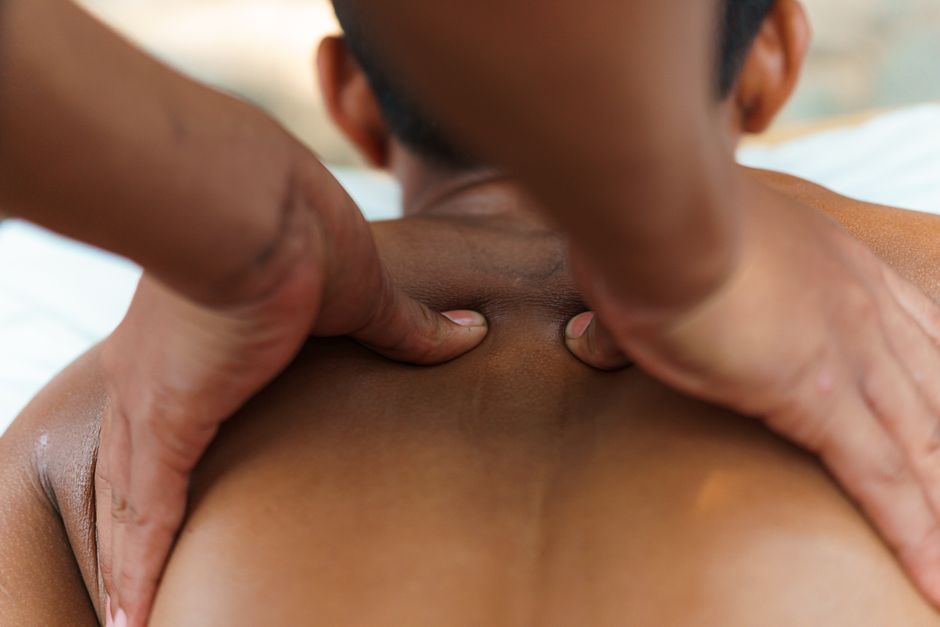
Massage can help. Applying firm pressure to the cramped muscle may encourage it to relax. Some people find that rubbing the area while stretching works best.
Heat is useful for a spasm that will not let go. A warm towel or heating pad increases blood flow to the muscle. That extra circulation can help clear out the metabolic waste that builds up during a contraction. Cold is better for the soreness that follows, not for the spasm itself.
If the spasm is in the foot or hand, moving the joint can help. Flex and extend the joint repeatedly. The motion can “reset” the muscle’s firing pattern.
When Should You See a Doctor for Muscle Spasms?
Most muscle spasms are harmless and resolve on their own. But some situations warrant a medical visit. If a spasm lasts longer than 10 minutes despite stretching and massage, that is unusual. If you get spasms several times a week with no obvious cause, that is worth investigating.
Seek medical attention quickly if the spasm comes with numbness, weakness, or swelling. These symptoms can point to a nerve problem or a blood clot. A blood clot in the leg can feel like a severe cramp, and it is a medical emergency.
You should also see a doctor if spasms interfere with sleep regularly. Night cramps that wake you up multiple times per week are a sign that something is off. The same applies if the spasms are getting more frequent or more painful over time.
If you are taking a medication that you suspect is causing the spasms, do not stop it on your own. Talk to your doctor about the timing and pattern of your cramps. They can help you figure out whether the drug is the culprit.
How to Prevent Muscle Spasms From Coming Back
Prevention focuses on the most common triggers. Staying hydrated is the simplest step. Drink water throughout the day, especially before and after exercise. If you sweat heavily, consider a drink with electrolytes.
Stretching regularly helps. A daily routine that includes calf, hamstring, and quadriceps stretches may reduce the frequency of leg cramps. Stretching before bed is particularly useful for people who get nighttime cramps.
Check your mineral intake. Magnesium and potassium are both involved in muscle function. Foods like bananas, leafy greens, nuts, and beans provide these minerals. A blood test can tell you if you are actually deficient. Do not take high-dose supplements without knowing your levels first.
Wear proper footwear. Flat shoes or shoes with poor support can put extra strain on the calf muscles. This is a common trigger for foot and calf cramps.
Adjust your sleeping position. If you sleep on your back with your toes pointing down, your calf muscles are shortened. That position makes cramps more likely. Sleeping on your side with your knees slightly bent can help.
What the Evidence Says About Magnesium and Other Supplements
Magnesium is often promoted as a cure for muscle cramps. The evidence is mixed. Some studies show that magnesium supplements help people with frequent cramps, especially older adults and pregnant women. Other studies show no benefit over a placebo.
The evidence is stronger for specific groups. People with an actual magnesium deficiency tend to improve with supplementation. People with normal magnesium levels may not notice a difference. There is no solid evidence that magnesium prevents cramps in everyone.
Potassium and sodium also get attention. Low potassium can cause cramps, but taking extra potassium when your levels are normal is not helpful and can be dangerous. Sodium is rarely the issue unless you are sweating heavily and drinking only plain water.
Quinine was once used for leg cramps, but the FDA has warned against it. The risks outweigh the benefits. Do not use tonic water or quinine supplements as a treatment for cramps.
When a Muscle Spasm Is Actually Something Else
Not every “spasm” is a spasm. A muscle that stays contracted for a long time without relaxing could be a condition called dystonia. This is a neurological movement disorder. It causes sustained muscle contractions, twisting, and repetitive movements. It is not a cramp and does not respond to stretching the same way.
Some spasms are actually nerve-related. A herniated disc in the spine can irritate a nerve root, causing the muscle it supplies to fire uncontrollably. In this case, the spasm is a symptom of the disc problem. Treating the disc usually stops the spasm.
If a muscle has been contracted for hours or days without relief, that is not a typical cramp. It requires a medical evaluation. The doctor will look for nerve compression, circulation problems, or metabolic causes.
Frequently Asked Questions
Can a muscle spasm last for days?
A true spasm usually does not last for days, but a muscle can stay tight and painful long after the initial spasm ends. If a muscle remains contracted for more than a day, see a doctor to rule out nerve or circulation problems.
What is the fastest way to get rid of a muscle spasm?
Gentle stretching is the fastest way to interrupt a spasm. Hold the stretch until the muscle releases, and combine it with firm massage if needed.
Why do muscle spasms happen at night?
Nighttime cramps are often linked to muscle fatigue, dehydration, or sleeping positions that shorten the calf muscle. Holding your toes pointed downward for hours makes the calf more prone to cramping.
Is a muscle spasm the same as a muscle twitch?
No. A twitch is a brief, small, spontaneous contraction that usually lasts less than a second and often goes unnoticed. A spasm is a stronger, sustained contraction that typically causes pain.
