
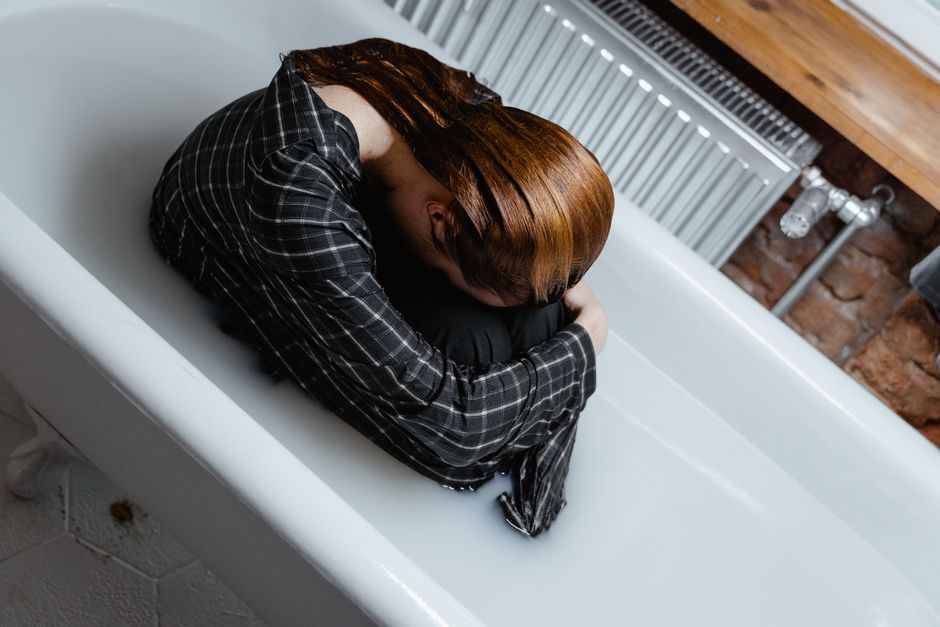
A depressive episode does not have a single fixed duration. Most untreated episodes last between 6 and 12 months, though this range varies widely from person to person. With proper treatment, symptoms often improve significantly within 6 to 8 weeks, but the episode itself is considered resolved only when symptoms have been absent for at least two consecutive months. Some people experience episodes that last only a few weeks, while others struggle for years, particularly when treatment is delayed or ineffective.
What Defines a Depressive Episode?
A depressive episode is more than a bad week. It is a distinct period lasting at least two weeks where a person experiences a depressed mood or a loss of interest in nearly all activities. This must be accompanied by other symptoms such as changes in sleep, appetite, energy, concentration, or thoughts of death.
Clinicians use the term “episode” when these symptoms are present most of the day, nearly every day, for that two-week minimum. The two-week mark is the diagnostic threshold, not the expected duration. Most episodes last considerably longer.
An episode ends when the symptoms have been gone for at least two months. This distinction matters because a person can feel better for a few days and still be in the same episode. The two-month symptom-free period is the standard clinical definition of recovery.
How Long Can a Depressive Episode Last Without Treatment?
Without treatment, the average episode lasts 6 to 12 months. Some research suggests the median duration is around 6 months, meaning half of untreated episodes end sooner and half last longer. About 20 percent of untreated episodes continue past two years.
Several factors influence how long an untreated episode lasts. People with a family history of depression tend to have longer episodes. Those who have had previous episodes are more likely to have longer current ones. The severity of the initial symptoms also plays a role — more severe episodes generally take longer to resolve.
Another factor is whether the person has a chronic or recurring form of depression. Persistent depressive disorder, sometimes called dysthymia, involves milder symptoms that last at least two years in adults. This is a different condition from major depressive disorder, though the two can overlap.
How Long Does a Depressive Episode Last With Treatment?
Treatment changes the timeline meaningfully. Antidepressant medications typically begin showing measurable effects within 2 to 4 weeks, with the full response often taking 6 to 8 weeks. Many people notice meaningful improvement in the first month, but full resolution of the episode typically takes longer.
Psychotherapy, particularly cognitive behavioral therapy, shows a similar timeline. Many people notice improvement within 6 to 12 sessions, which usually spans 6 to 12 weeks. The combination of medication and therapy is consistently associated with better outcomes than either alone.
Even with effective treatment, symptoms rarely vanish overnight. Sleep and appetite often improve first. Energy and concentration follow. The depressed mood itself is frequently the last symptom to lift. This gradual improvement can be frustrating, but it is the normal pattern.
It is important to distinguish between feeling better and being in remission. Feeling better for a few days does not mean the episode is over. Clinicians consider an episode resolved only after the two-month symptom-free period. This distinction prevents people from stopping treatment too early, which increases the risk of relapse.





Why Do Some Depressive Episodes Last Longer Than Others?
Several well-established factors predict longer episodes. The most significant is delayed treatment. The longer depression goes untreated, the harder it can be to treat, and the more likely the episode is to persist. This is not a moral failing — it reflects how the brain changes during prolonged depressive states.
Recurrent depression is another major factor. Each subsequent episode carries a higher risk of lasting longer than the previous one. This is why maintenance treatment is often recommended for people who have had multiple episodes. The goal shifts from treating the current episode to preventing the next one.
Co-occurring conditions also extend episodes. Anxiety disorders, substance use, chronic pain, and untreated medical conditions like thyroid disease can all prolong a depressive episode. Treating the depression without addressing these co-occurring issues often leads to incomplete recovery.
Certain life circumstances matter too. Ongoing stress — financial problems, relationship conflict, caregiving demands — can keep an episode active. This does not mean the depression is “caused” by stress in a simple way. It means the stress makes it harder for the brain to recover.
What Is Treatment-Resistant Depression?
Treatment-resistant depression is a specific clinical term. It refers to depression that has not improved after two adequate trials of different antidepressants. “Adequate” means the medication was taken at a therapeutic dose for a sufficient duration — usually at least 6 to 8 weeks each.
About one-third of people with major depressive disorder do not respond to the first antidepressant they try. A second trial with a different medication helps some of these people. But a significant minority — roughly 10 to 30 percent — do not respond to two or more trials. These cases are classified as treatment-resistant.
Treatment-resistant depression is not a dead end. Options exist beyond standard antidepressants. These include switching medication classes, augmentation strategies, electroconvulsive therapy, transcranial magnetic stimulation, and newer treatments like esketamine. The evidence for these approaches varies, and decisions should be made with a psychiatrist who can weigh the risks and benefits for each individual.
If you have tried two antidepressants without meaningful improvement, this is not a sign that nothing will work. It is a signal to have a more specialized conversation with a mental health professional about alternative strategies.
How Can You Tell When a Depressive Episode Is Ending?
Recovery from a depressive episode is rarely a straight line. Most people experience good days and bad days, with a gradual overall trend toward improvement. The pattern is more like a staircase than a ramp — periods of progress followed by plateaus or brief setbacks, then more progress.
Specific signs often appear before the episode fully resolves. Sleep quality typically improves first. Interest in previously enjoyed activities returns gradually. Energy increases, making daily tasks feel less exhausting. Concentration sharpens. The heaviness of the mood begins to lift, sometimes in waves.
One non-obvious sign is the return of emotional range. During an episode, many people feel emotionally flat — not just sad, but numb. As the episode lifts, they may notice themselves crying at sad movies again, laughing at jokes, or feeling irritated by small frustrations. This wider emotional range is a sign that the nervous system is recovering, even if it does not feel pleasant in every moment.
Thoughts of death or self-harm should always be taken seriously, regardless of where someone is in the recovery process. If these thoughts are present, professional help should be sought immediately. The national suicide and crisis lifeline is available by calling or texting 988.
When Should You Seek Help for a Depressive Episode?
Seek professional help if depressive symptoms last more than two weeks. This is the diagnostic threshold, and waiting longer than this without help delays recovery. The evidence is clear that earlier treatment is associated with shorter episodes and better outcomes.
Seek help immediately if there are thoughts of self-harm, suicide, or harm to others. Also seek immediate help if the person is unable to care for basic needs — eating, bathing, or getting out of bed — or if symptoms are severe enough to interfere with work, school, or relationships.
Primary care physicians can evaluate for depression and initiate treatment. Many people start with their regular doctor, who can prescribe medication or refer to a psychiatrist. Psychologists and licensed therapists provide psychotherapy without medication. For many people, the combination of both is the most effective approach.
There is no benefit to waiting to see if depression “gets better on its own.” Some episodes do resolve without treatment, but the evidence does not support waiting as a strategy. The risks of untreated depression — prolonged suffering, relationship damage, job loss, and increased suicide risk — are too significant to justify delay.
Frequently Asked Questions
Can a depressive episode last for years?
Yes, some depressive episodes last two years or more, especially when untreated or when the person has treatment-resistant depression. About 20 percent of untreated episodes continue past the two-year mark.
What is the average length of a depressive episode?
The average untreated episode lasts 6 to 12 months, with a median around 6 months. With treatment, meaningful improvement often occurs within 6 to 8 weeks, though full recovery takes longer.
How do I know when my depressive episode is over?
An episode is considered over when symptoms have been absent for at least two consecutive months. Feeling better for days or weeks is progress, but clinicians use the two-month symptom-free period as the standard for recovery.
Can a depressive episode go away without treatment?
Yes, some episodes resolve without treatment, but the duration is unpredictable and often prolonged. The evidence does not support waiting to see if an episode will pass on its own, given the risks of untreated depression.
