
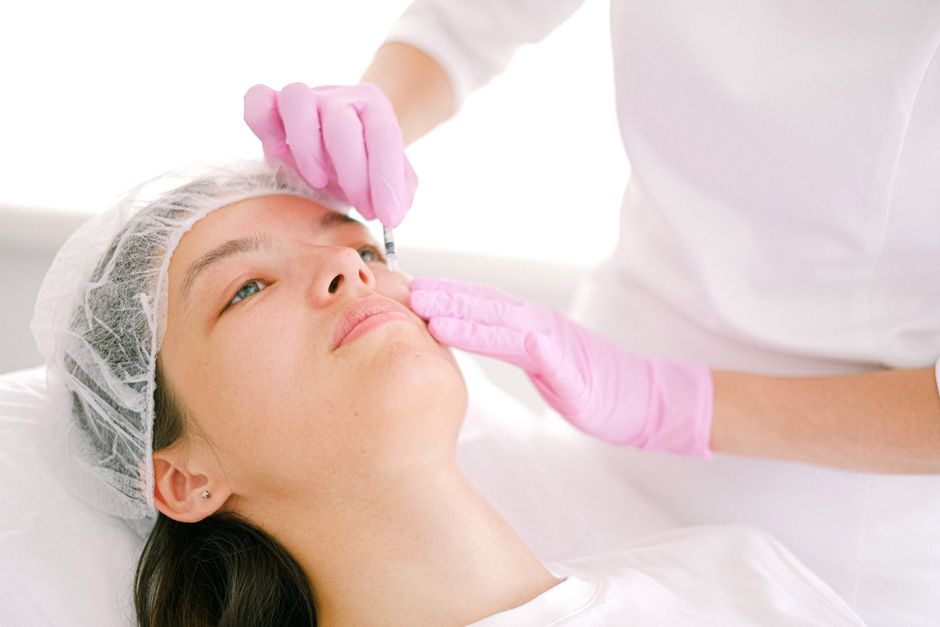
Botox is a temporary treatment, and that is by design. The effects of a cosmetic Botox injection typically last about three to four months, though the range runs from roughly two to six months depending on the person and the treatment area. Movement in the treated muscle gradually returns as the body clears the drug, and the wrinkles that were softened come back over the same period.
What follows is the timeline of how a treatment wears off, why it varies so much between people, and what genuinely affects how long results hold. Some of the popular advice on making Botox last longer is supported by evidence. Some of it is not.
How Long Botox Last? The Timeline
Botox works by temporarily blocking the signal that tells a muscle to contract. The active ingredient is a purified form of botulinum toxin type A. When injected into a specific muscle in small, controlled amounts, it reduces that muscle’s movement. Wrinkles caused by repeated muscle movement — the vertical lines between the brows, forehead creases, crow’s feet — soften as a result.
The drug does not destroy the muscle or the nerve. It interrupts communication between them, and the body gradually restores that communication. That restoration is why results fade.
A typical timeline looks like this:
- Days 1–3: Little visible change. Some people notice mild redness or slight swelling at injection sites.
- Days 3–7: The effect begins to appear. Muscles start to relax, and lines begin to soften.
- Days 7–14: Full effect is usually visible. This is the point most clinicians assess results.
- Months 3–4: Movement returns and lines gradually reappear. Many people schedule the next treatment around this window.
- Months 4–6: For some people, effects persist longer. For others, they have largely faded by month three or four.
These are general patterns. The American Society of Plastic Surgeons and manufacturers’ product information describe cosmetic effects as typically lasting around three to four months. Individual results fall on either side of that.
Why Does Botox Wear Off?
The effect fades because the body repairs the nerve endings that the toxin temporarily blocked. Botulinum toxin prevents nerve endings from releasing acetylcholine, the chemical that signals a muscle to contract. The body responds by growing new nerve sprouts to restore that signaling. As those connections reestablish, muscle activity returns.
This is a normal biological process, not a sign that the treatment failed. It also explains why the effect is not permanent and why repeat treatments are needed to maintain results. The drug itself is cleared from the body over time, but the return of muscle movement is primarily about the nerve endings recovering their function.
One point worth clarifying: Botox does not “build up” in the body or stay in the system indefinitely. It is broken down and cleared. The fading you see is the muscle regaining its ability to move.
What Affects How Long Botox Lasts?
Duration varies between people, and several factors influence it. Some are well established. Others are based on clinical observation rather than controlled trials.
Treatment area. Muscles that move a lot, such as those around the mouth and lower face, tend to process the effect faster than the forehead or the muscles between the brows. Areas with frequent, strong movement often need more frequent treatment.
Dose and technique. The amount injected and the injector’s skill matter. A dose that is too low may wear off sooner. An experienced injector places the product precisely, which supports a more consistent result. This is one reason provider choice affects outcomes.
Individual metabolism and muscle strength. People with stronger facial muscles or faster metabolism often see results fade sooner. This is widely observed in practice, though it is difficult to quantify precisely.
Previous treatment history. Some clinicians note that people treated regularly over time may find results last somewhat longer, possibly because the muscle weakens with repeated reduced use. The evidence for this is limited and largely anecdotal. It should not be treated as a guaranteed effect.
Product type. Botox is one brand of botulinum toxin type A. Other brands exist with slightly different formulations. Duration is broadly similar across them, though individual response can differ.
Does Botox Last Longer With Certain Habits?
Some habits plausibly support results, and others are marketing claims without solid evidence. It helps to separate the two.
Activities that work the treated muscles heavily — vigorous facial exercises, frequent squinting, or a lot of frowning — may cause the effect to fade a bit faster. This is logical and consistent with how the drug works, but it has not been precisely measured in trials.
Sun exposure and skin care affect the appearance of the skin itself, not the duration of the toxin. Good sun protection and skin care help maintain overall skin quality, but they do not extend how long the muscle-relaxing effect lasts. Claims that a particular cream or supplement extends Botox results are not supported by clinical evidence.
Some clinicians advise avoiding strenuous exercise, lying down, or rubbing the treated area for a short period right after injection. The reasoning is to reduce the chance of the product spreading to nearby muscles. The specific time window varies by provider, and the evidence behind these precautions is limited. Following your injector’s aftercare instructions is reasonable, but no single rule is firmly established across all practices.
How Long Does Botox Last for Medical Uses?
Botox is also used for medical conditions, and duration can differ from cosmetic use. For conditions such as chronic migraine, excessive sweating, and certain muscle disorders, the effect often lasts around three to four months as well, though some conditions require treatment at different intervals.
For chronic migraine, treatment is typically repeated every 12 weeks, following the schedule studied in clinical trials. For excessive sweating, effects may last somewhat longer in some people, though repeat treatment is still generally needed within several months. These schedules come from the clinical guidance for each condition, and a treating physician sets the actual interval.
The key point is that medical and cosmetic use follow different protocols. Do not assume the timing from a cosmetic treatment applies to a medical one, or the reverse.
What Happens If You Stop Getting Botox?
When you stop treatment, muscle movement returns fully and the wrinkles that were softened gradually come back. The face does not “collapse” or look worse than before. It returns to how it would have looked without treatment, adjusted for the natural aging that occurred in the meantime.
There is a common belief that stopping Botox makes wrinkles worse than they would have been otherwise. No clinical evidence supports this. The effect simply wears off and the underlying muscle activity resumes.
Some people find that after repeated treatments over time, their resting expression changes slightly because the muscle has been less active. This is a gradual effect and varies between individuals. It is not permanent.
When Should You Schedule the Next Treatment?
Most people schedule the next treatment when they notice movement returning, often around the three- to four-month mark. Some wait until lines are clearly visible again. Others prefer to treat slightly before full return to keep results steady.
There is no single correct schedule. Treating too frequently offers little benefit and adds cost. Waiting until the effect has fully faded is safe. A clinician can help you find a rhythm that fits your goals and your response to treatment.
If you notice that results consistently fade much faster than expected — for example, within a few weeks — that is worth discussing with your injector. It may point to dose, technique, or individual factors that can be adjusted.
Frequently Asked Questions
How long does Botox last on average?
Cosmetic Botox typically lasts about three to four months. Some people see results fade sooner, and some last closer to six months.
How long does it take for Botox to start working?
The effect usually begins within three to seven days, with full results visible around two weeks. This timeline is a general pattern and can vary between people.
Does Botox last longer the more you get it?
Some clinicians report that regular treatment over time may slightly extend results, but the evidence for this is limited and largely anecdotal. It is not a guaranteed effect.
Is it safe to stop Botox suddenly?
Yes, stopping Botox is not dangerous. The effect simply wears off over a few months and muscle movement returns to normal.
