
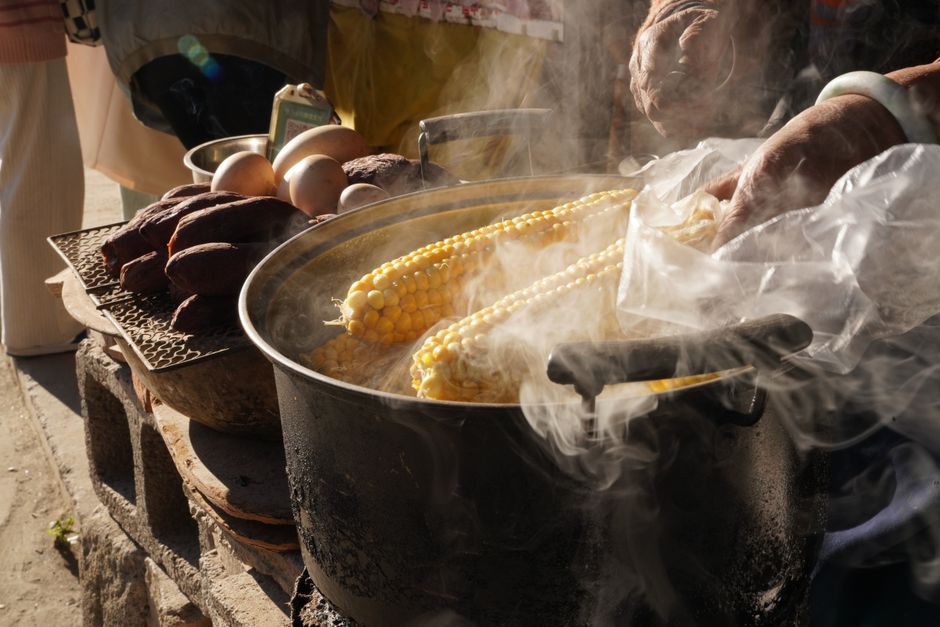
Boiled corn on the cob is a summer staple, and getting the timing right makes the difference between crisp, juicy kernels and a mushy mess. For most fresh ears of corn, the answer is 4 to 6 minutes in boiling water. That short window is enough to heat the corn through while keeping the kernels tender and slightly crunchy. Keep reading for the full guide, including timing for different cooking methods, how to tell when it is done, and how to avoid the most common mistakes.
How Long Do You Boil Corn on the Cob?
Plan for 4 to 6 minutes once the water returns to a full boil. This applies to fresh, shucked corn at room temperature or straight from the refrigerator.
The exact time depends on your texture preference. At 4 minutes, the kernels are crisp and snap when you bite into them. At 6 minutes, they soften slightly while still holding their shape. Most people find the sweet spot between these two marks.
Do not boil corn for 10 or 15 minutes. That is a common habit from older recipes, and it produces waterlogged, tough kernels. The sugars in sweet corn convert to starch the longer they cook, so longer boiling actually makes the corn less sweet and more mealy.
Does Boiling Time Change for Different Types of Corn?
Yes, but not as much as you might think. The variety of corn matters more than the cooking time.
Sweet corn — the yellow or bicolor corn sold in grocery stores and farmers markets — is bred for high sugar content. It needs only 4 to 6 minutes. Overcooking destroys the delicate sugars and ruins the texture.
White corn cooks in the same 4 to 6 minute window. It tends to be slightly less sweet than yellow varieties, but the cooking time is identical.
Field corn or dent corn is the type used for animal feed, cornmeal, and processed foods. It is not meant for boiling and eating off the cob. If you bought corn labeled as field corn, no cooking time will make it tender.
Frozen corn on the cob needs more time because it starts cold. Boil frozen cobs for 6 to 8 minutes. Do not thaw them first — dropping them straight into boiling water gives the best texture.
How to Boil Corn Step by Step
The method is simple, but a few details matter.
- Fill a large pot with enough water to fully cover the corn. Add a pinch of salt if you like, though it does not penetrate the kernels — it only seasons the water.
- Bring the water to a rolling boil over high heat.
- While the water heats, shuck the corn and remove all the silk. Rinse each cob under cold water to remove any remaining silk strands.
- Carefully lower the cobs into the boiling water using tongs.
- Cover the pot and return to a full boil as quickly as possible.
- Start your timer once the water is boiling again with the corn inside.
- Boil for 4 to 6 minutes for fresh corn, 6 to 8 minutes for frozen.
- Remove the corn with tongs and serve immediately.
Do not add salt to the water before boiling if you are cooking for someone on a low-sodium diet. The salt does not change the cooking time, and it is easy to skip entirely without affecting the result.





How Can You Tell When Boiled Corn Is Done?
The timer is your best guide, but you can also test a kernel. Remove one kernel with a fork or knife and let it cool for a few seconds. Bite into it. The kernel should be tender but still have a slight snap when your teeth break through the skin.
If the kernel is hard or crunchy in a starchy way, it needs another minute or two. If the kernel is wrinkled, mushy, or falling apart, it is overcooked.
Another visual check: the kernels should look plump and glossy, not dull or shriveled. The cob should be hot throughout, not just on the surface.
One common mistake is relying on the color. Bright yellow corn stays bright yellow whether it is raw or boiled. Color is not a reliable doneness indicator.
Does the Boiling Method Affect Nutrition?
Boiling does cause some nutrient loss, mainly water-soluble vitamins like vitamin C and several B vitamins. These leach into the cooking water. The longer corn boils, the more nutrients are lost.
This is one reason the shorter cooking time matters beyond texture. A 4 to 6 minute boil preserves more nutrients than a 15 minute boil.
That said, corn is not a primary source of vitamin C for most people. The nutrient losses from boiling are not a health concern for anyone eating a varied diet. Corn remains a good source of fiber, folate, and the carotenoids lutein and zeaxanthin, which are fat-soluble and not lost to boiling water.
If maximizing nutrient retention is your priority, steaming or microwaving corn in the husk preserves more water-soluble vitamins than boiling. But the differences are small and unlikely to matter for overall health.
What About Other Cooking Methods?
Boiling is the classic method, but it is not the only good one. Each method changes the texture and flavor slightly.
Microwaving in the husk takes 3 to 5 minutes per ear on high power. The husk traps steam and cooks the corn evenly. Let it rest for 2 minutes before shucking — the steam is hot enough to burn your hands.
Grilling takes 15 to 20 minutes total. Leave the husk on and soak the corn in cold water for 15 minutes first. Turn every 5 minutes. Grilled corn has a smoky flavor and slightly charred kernels that some people prefer over boiled.
Steaming takes 6 to 8 minutes in a steamer basket over boiling water. The texture is similar to boiled corn, but the kernels are slightly firmer because they do not sit directly in water.
Instant Pot or pressure cooker takes 2 to 3 minutes at high pressure with a quick release. This is the fastest method if you are cooking a large batch.
Roasting in the oven at 400°F takes 25 to 30 minutes with the husk on. This method caramelizes some of the sugars and produces a deeper flavor, but it requires planning ahead.
There is no single best method. Boiling is the fastest and most consistent. Grilling and roasting add flavor. Microwaving is the easiest cleanup.
Common Boiled Corn Mistakes to Avoid
Most ruined corn comes down to a few fixable errors.
Overcooking is the most common mistake. Corn does not need to cook until it is fork-tender like potatoes. It needs to be heated through and no more. Set a timer and do not walk away.
Skipping the salt is not a mistake — salt in the water does not season the kernels. If you want salty corn, add salt or salted butter after cooking.
Adding sugar to the water is a myth. Sugar in the cooking water does not make the corn sweeter. The sugar molecules are too large to penetrate the kernel skins. Sweetness comes from the variety of corn and how quickly it is cooked after harvest.
Boiling corn that is past its prime cannot be fixed. The sugars in corn begin converting to starch immediately after harvest. Corn that sat in a refrigerator for a week will taste starchy no matter how you cook it. Buy from a farm stand or a store with high turnover, and cook it within a day or two.
Not covering the pot slows down the return to a boil. Cover the pot to trap heat and get the water boiling again faster. This shortens the total cooking time and preserves texture.
Frequently Asked Questions
How long should I boil corn on the cob?
Boil fresh, shucked corn for 4 to 6 minutes once the water returns to a full boil. Frozen corn on the cob needs 6 to 8 minutes.
Can I boil corn for 10 minutes?
You can, but it will likely be overcooked, mushy, and less sweet. The sugars in corn degrade with prolonged heat, so stick to 4 to 6 minutes for fresh ears.
Should I add salt to the water when boiling corn?
Salt in the water does not season the kernels, so it is optional. If you want salty corn, add salt or salted butter after cooking.
How do I know when boiled corn is done?
Test a kernel by biting into it. It should be tender with a slight snap through the skin. The kernels should look plump and glossy, not shriveled or mushy.
