
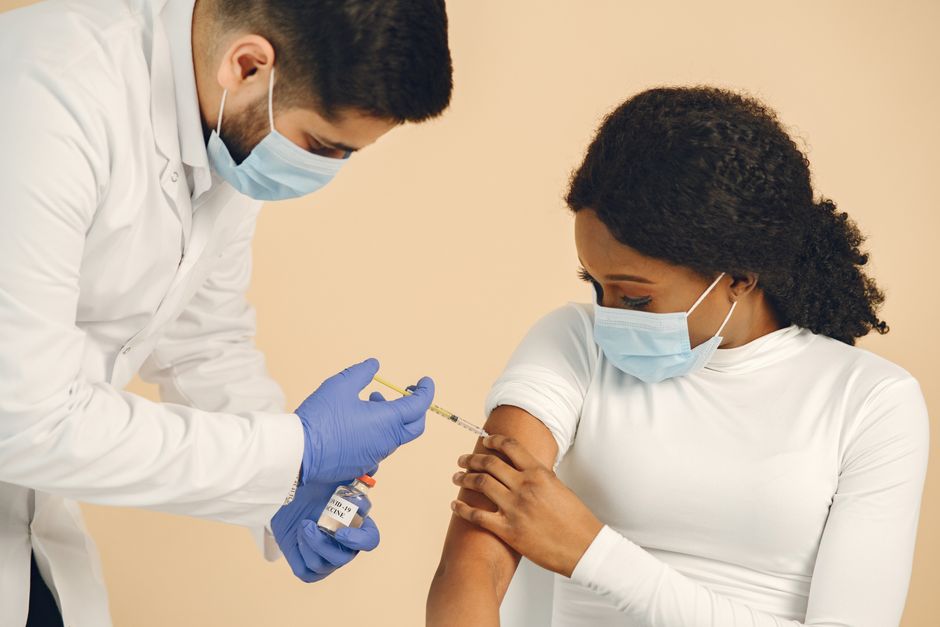
If you had COVID-19, your immune system builds some protection against getting it again. But that protection is not total, and it does not last forever. Research shows that natural immunity from a COVID infection is strongest in the first few months after recovery. By the 6-month mark, your risk of reinfection starts to go up. By 12 months, protection against symptomatic infection is much lower, though some protection against severe illness may last longer.
How Long Does Natural Immunity From COVID Actually Last?
The short answer is that natural immunity from a COVID infection is strongest for about 3 to 5 months. A large study published in The Lancet in 2023 found that protection against reinfection peaked around 4 weeks after infection and then slowly dropped. By 40 weeks, or about 9 months, protection against any reinfection was around 36%.
Protection against severe disease lasts longer. The same study found that natural immunity against hospitalization or death remained above 80% for at least 40 weeks. This means your body remembers the virus better when it comes to fighting off the worst outcomes.
But here is the catch. Different variants change the equation. If you got infected with the original strain in 2020, your immunity against Omicron subvariants is much weaker. The virus mutates fast enough that natural immunity from an earlier infection does not fully recognize newer versions.
Does Getting Vaccinated After Infection Give Better Protection?
Yes. Research is clear on this point. People who had COVID and then got vaccinated have what experts call hybrid immunity. This combination provides stronger and longer-lasting protection than infection alone.
A 2024 study from the CDC looked at over 200,000 people. Those with hybrid immunity had a 60% lower risk of reinfection compared to those with natural immunity only. The benefit was most clear for avoiding hospitalization.
One reason is that vaccines target parts of the virus that do not change much between variants. Your immune system from natural infection plus the vaccine gives you a broader defense. The CDC recommends waiting about 3 months after your infection before getting a vaccine dose. This timing gives your body time to build its natural response first.
If you had COVID within the past 6 months and have not been vaccinated, your protection is real but incomplete. Getting a booster shot adds another layer that covers variants you may not have encountered yet.
How Long Are You Immune From COVID After Having It Compared to Vaccination?
This is where people often get confused. Natural immunity and vaccine-induced immunity work differently, and neither is clearly better across the board.
Natural immunity from infection covers the full virus. Your body learns to recognize many parts of the virus at once. This can make it more durable against severe disease from variants that are not too different from what you had.
Vaccine immunity focuses on the spike protein. This is the part the virus uses to enter your cells. When the spike protein mutates a lot, like with Omicron, vaccine protection against infection drops. But vaccines still train your body to fight the spike protein, which remains essential for the virus to cause severe illness.
| Type of Immunity | Peak Protection | Protection at 6 Months | Protection at 12 Months |
|---|---|---|---|
| Natural (infection only) | 80-90% against reinfection | Around 50% against reinfection | Around 30% against reinfection |
| Vaccine (2 doses) | 90%+ against severe disease | Around 60% against severe disease | Around 40% against severe disease |
| Hybrid (infection + vaccine) | 95%+ against severe disease | Around 80% against severe disease | Around 70% against severe disease |
The table shows what research generally finds. Natural immunity gives good short-term protection against reinfection. Vaccine immunity gives more consistent protection against severe outcomes over time. Hybrid immunity is the strongest option.





What Factors Affect How Long Your Immunity Lasts?
Not everyone has the same immune response. Several things change how long your protection lasts after a COVID infection.
Your age matters. Older adults, especially those over 65, produce a weaker immune response. Their antibody levels drop faster. A study from the UK Health Security Agency found that people over 65 had about half the protection against reinfection at 6 months compared to younger adults.
Your overall health plays a role. People with conditions that weaken the immune system, like cancer treatment or organ transplants, may have shorter protection. The same is true for people with chronic illnesses like diabetes or heart disease, though the effect is smaller.
The variant you got infected with matters a lot. If you had Delta, you had some protection against Omicron, but it was much weaker. If you had an earlier Omicron subvariant, like BA.5, you have some protection against newer ones like JN.1, but it fades faster. The virus keeps changing, and each new variant is better at dodging existing immunity.
How sick you were also affects immunity. People with severe COVID tend to have stronger and longer-lasting antibody responses. Mild or asymptomatic infections produce a weaker response. This does not mean you should want to get very sick. It just explains why some people seem to get reinfected quickly while others do not.
Can You Get COVID Twice in a Short Time?
Yes, it is possible. Some people report getting reinfected within weeks of their first infection. This is rare but real.
The CDC has documented cases of reinfection as early as 23 days after the first infection. These are most common in people with weakened immune systems who did not clear the virus fully the first time. But even healthy people can get reinfected quickly if they are exposed to a very different variant.
A study from Qatar in 2023 found that about 1 in 100 people who had COVID got reinfected within 3 months. The risk was higher for healthcare workers and people living in crowded settings. The key takeaway is that no one should assume they are immune just because they had COVID recently.
If you are in a high-exposure setting, like working in a hospital or living with someone who has COVID, you can get reinfected even with good natural immunity. The virus is simply that contagious.
Common Misconceptions About COVID Immunity
There is a lot of bad information online about COVID immunity. Here are three myths that keep coming up and what the evidence actually says.
- Myth: Once you have had COVID, you cannot get it again. This is false. Reinfection is common. The CDC estimates that about 1 in 5 COVID cases in 2023 were reinfections. Natural immunity reduces your risk but does not eliminate it.
- Myth: Natural immunity is stronger than vaccine immunity. This is oversimplified. For preventing infection in the first few months, natural immunity is good. For preventing severe disease over the long term, vaccines are more reliable. Hybrid immunity beats both.
- Myth: If you had mild COVID, you have weak immunity. Not necessarily. Mild infections still produce memory cells. Your immune system may not have made as many antibodies, but the cells that remember the virus are still there. They can reactivate quickly if you are exposed again.
Another misconception is that you do not need a vaccine if you already had COVID. The evidence says otherwise. The CDC and the World Health Organization both recommend vaccination even after infection. The added protection is worth it.
Frequently Asked Questions
How long after having COVID are you immune?
Strongest protection lasts about 3 to 5 months. Some protection against severe disease can last up to a year or longer.
Can you get COVID again 2 weeks after having it?
Yes, though it is rare. Reinfection within weeks is most common in people with weakened immune systems.
Does natural immunity last longer than vaccine immunity?
Natural immunity may last longer against the specific variant you had. Vaccine immunity provides more consistent protection across different variants.
Should I get vaccinated if I already had COVID?
Yes. The CDC recommends vaccination even after infection. Hybrid immunity provides the strongest and longest protection.
