
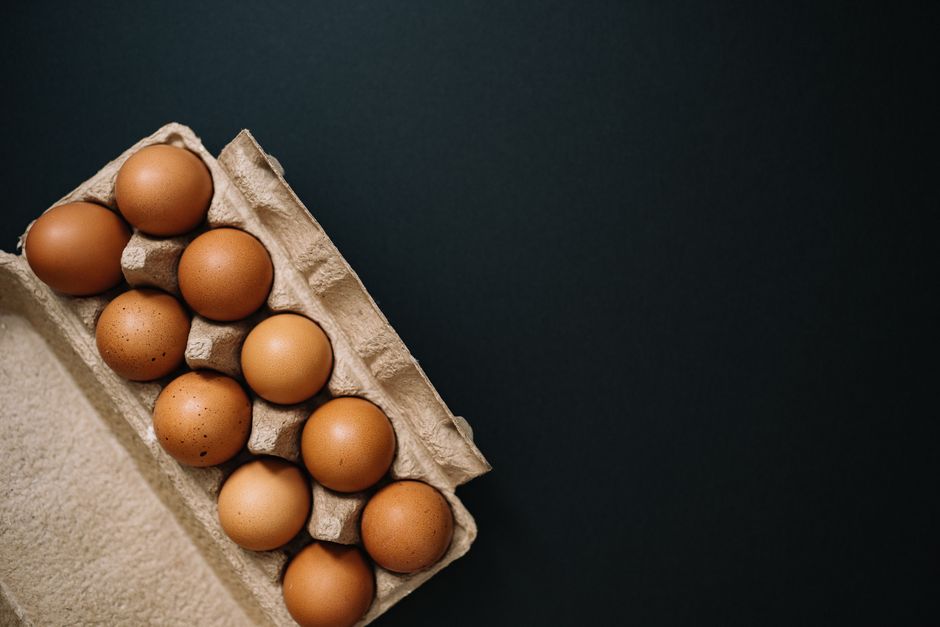
Eggs are often safe to eat for 3 to 5 weeks past the sell-by date if stored properly in the refrigerator. The sell-by date is about quality and peak freshness, not safety. As long as the eggs have been kept cold and show no signs of spoilage, they are generally safe to use well beyond that printed date.
What Does the Sell-By Date Actually Mean?
The sell-by date is not an expiration date. It tells the store how long to display the eggs for sale. It is a quality marker, not a safety deadline.
Most cartons also carry a “pack date” — a three-digit number that shows the day of the year the eggs were washed, graded, and packed. January 1 is 001, and December 31 is 365. This pack date is a more reliable way to know how old your eggs really are.
How Long Are Eggs Good Past the Sell By Date?
With proper refrigeration at or below 40°F, eggs typically stay safe for 3 to 5 weeks after the pack date. Since the sell-by date is usually set at 30 days after packing, that means eggs are often fine for another few weeks past the sell-by date.
The U.S. Department of Agriculture states that eggs can be refrigerated for several weeks after the pack date without losing quality. In practice, many people safely use eggs 3 to 5 weeks past the sell-by date without any issue.
This assumes the eggs have been continuously refrigerated. If eggs sit at room temperature for more than 2 hours, their safety window shrinks significantly.
The Science of Egg Spoilage
Eggs have natural defenses against bacteria. The shell, the inner membrane, and the albumen (egg white) all work together to keep contaminants out.
The albumen contains proteins that fight bacteria, and its pH shifts as the egg ages, creating a less hospitable environment for microbes. The bloom — a natural coating on the shell — seals the pores and keeps bacteria from entering.
In the United States, commercial eggs are washed, which removes the bloom. That is why refrigeration is non-negotiable for American eggs. In many other countries, eggs are not washed and can be stored at room temperature safely for weeks.
As eggs age, they lose moisture and carbon dioxide through the shell’s pores. The air cell at the blunt end grows larger. The white becomes thinner and more watery. The yolk flattens. These are quality changes, not safety changes.





How To Test If Eggs Are Still Good
The float test is the most common home method. Place an egg in a bowl of cold water.
- If it sinks and lies flat on its side, it is very fresh.
- If it sinks but stands upright on one end, it is older but still fine to eat.
- If it floats to the surface, it should be discarded.
The science is simple. As the egg ages, moisture escapes and air enters, enlarging the air cell. A larger air cell means more buoyancy. A floating egg has likely been around long enough that its quality has seriously declined.
The float test does not guarantee safety — it mainly indicates age. A very old egg can still harbor bacteria even if it does not float. But it is a useful first check.
Your nose is the second tool. A fresh egg has almost no smell. A spoiled egg has a distinct, sulfur-like odor. Crack the egg into a clean bowl and smell it before cooking. If it smells bad, throw it out.
What Do the Cracks and Smells Tell You?
Visible cracks are a bigger concern than age. A cracked shell gives bacteria a direct pathway into the egg. If you find a cracked egg in the carton, discard it — even if the sell-by date is far in the future.
When you crack an egg open, look at the color and texture. Fresh whites are clear and slightly thick. Fresh yolks are firm and dome-shaped. A cloudy white is actually a sign of very fresh eggs. A pink, green, or iridescent white is a sign of bacterial growth — discard immediately.
Blood spots are not a safety issue. They are caused by a ruptured blood vessel in the hen’s ovary and are perfectly safe to eat. Many people remove them for appearance, but they pose no health risk.
Proper Storage: The Single Biggest Factor
Refrigeration is the most important variable in egg safety. Keep eggs at or below 40°F. The refrigerator door is the worst place for them because the temperature fluctuates every time the door opens. Store eggs in the main body of the refrigerator, ideally in their original carton.
The carton matters. It protects eggs from absorbing strong odors from other foods and prevents moisture loss. Eggs are porous, and they can pick up flavors from onions, fish, or other strong-smelling items in your fridge.
Keep eggs in their carton on a middle or lower shelf, not in the door. This keeps them at a consistent temperature and protects them from damage.
Can You Freeze Eggs?
Yes, eggs freeze well, but not in the shell. The liquid inside expands when frozen, which can crack the shell. Freeze eggs by cracking them into a bowl, gently whisking the yolk and white together, and pouring the mixture into a freezer-safe container.
Frozen eggs can last up to 1 year in the freezer. Thaw them overnight in the refrigerator and use them within 24 hours. Use thawed eggs in dishes where they will be thoroughly cooked — scrambled eggs, baked goods, or casseroles. Do not use thawed eggs in recipes that call for raw or lightly cooked eggs, like homemade mayonnaise or soft meringues.
Egg whites freeze particularly well on their own. They can be frozen in ice cube trays and used later for meringues or angel food cake. Egg yolks need a little salt or sugar mixed in before freezing to keep them from becoming gelatinous.
Hard-Boiled Eggs: A Different Timeline
Hard-boiled eggs have a shorter shelf life than raw eggs. Cooking removes the protective bloom, and the shell becomes more porous. Hard-boiled eggs should be used within 1 week of cooking, regardless of the sell-by date on the carton.
Store hard-boiled eggs in the refrigerator in a covered container. The refrigerator door is still not ideal — the temperature swings are too wide. Keep them on a shelf.
Peeled hard-boiled eggs should be eaten within a few days. The peeled surface is exposed and more vulnerable to bacteria. If you are meal-prepping, keep the shells on until you are ready to eat them.
When To Throw Eggs Out: Clear Signs
Trust your senses. If an egg smells bad when cracked, discard it. If the white is pink, green, or iridescent, discard it. If the egg floats in water, discard it.
Visible mold on the shell is another clear sign. This is rare but possible, especially if eggs were stored in a damp environment. Any egg with mold should be thrown out immediately.
When in doubt, throw it out. The cost of one egg is far lower than the cost of food poisoning. Salmonella is the primary concern with eggs, and it can cause serious illness, especially in young children, older adults, pregnant women, and people with weakened immune systems.
How To Cook Eggs Safely
Even fresh eggs can carry Salmonella. The risk is low, but it is real. Cooking eggs until both the white and yolk are firm kills bacteria. Dishes containing eggs should be cooked to 160°F.
If you prefer runny yolks, know that you are accepting a small risk. The USDA recommends cooking eggs until the yolk is firm, especially for people in higher-risk groups. Pasteurized eggs are a safer option for recipes that call for raw or lightly cooked eggs.
Wash your hands and any surfaces that touch raw eggs. Salmonella can spread from the shell to your hands, to the counter, and to other foods. Simple handwashing and surface cleaning go a long way.
Frequently Asked Questions
How can I tell if eggs are still safe to eat?
Use the float test as a first check and trust your nose — a spoiled egg smells distinctly sulfur-like when cracked open. If the egg floats, smells bad, or shows pink or green coloring, discard it.
Can I eat eggs 2 weeks past the sell-by date?
Yes, eggs are typically safe to eat 2 weeks past the sell-by date if they have been continuously refrigerated. The sell-by date is a quality marker, not a safety deadline.
Do eggs go bad faster if left at room temperature?
Yes, eggs left at room temperature for more than 2 hours should be discarded. The temperature change causes condensation on the shell, which can allow bacteria to pass through the porous shell.
Can I freeze eggs to make them last longer?
Yes, crack the eggs into a bowl, whisk them, and pour into a freezer-safe container. Frozen eggs last up to 1 year and should be thawed overnight in the refrigerator before use.
