
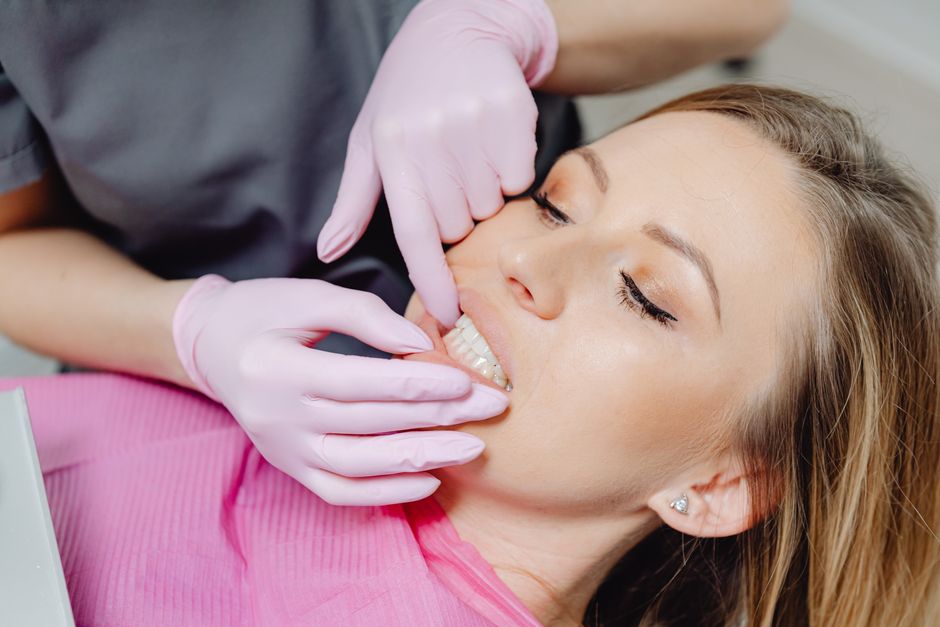
Zoom whitening uses a hydrogen peroxide gel activated by a special light to break up stains inside your teeth. That process leaves the enamel temporarily porous, and dark liquids like coffee can seep back into those open spaces and reverse some of the result. Most dentists advise waiting at least 48 hours after Zoom whitening before drinking coffee. Many suggest 72 hours if you want the best chance of keeping your teeth as white as possible for as long as possible.
That waiting period is not arbitrary. It lines up with how long the enamel and the layer just beneath it typically need to settle after a peroxide treatment. Drink too soon and you may not ruin your teeth, but you can dull the shade you just paid for.
How Long After Zoom Whitening Can I Drink Coffee?
Wait at least 48 hours, and 72 hours is safer. This is the standard guidance most dental practices give, and it reflects the period when tooth structure is most vulnerable to new staining.
Here is what is happening during that window. The whitening gel opens tiny channels in the enamel and dentin so peroxide can reach and break apart stain molecules. After the gel is removed, those channels do not close instantly. They gradually re-mineralize and tighten over the following days. During that time, anything with strong color pigments can move into the tooth and set.
Coffee is a particular problem because it is both dark and acidic. The color compounds, called tannins, are the same ones that stain a white mug over time. The acid adds a second issue by softening the surface slightly, which can make it easier for those pigments to take hold.
The 48-to-72-hour window is a practical guideline, not a hard biological switch. Some people’s teeth settle faster and some slower. But the guidance exists because dentists see the pattern repeatedly: patients who drink coffee the same day often notice the shade slipping within a week or two.
Why Does Coffee Stain Teeth So Quickly After Whitening?
Freshly whitened enamel is more porous than it will be a few days later. That is the whole reason the timing matters.
Zoom whitening works by delivering a concentrated hydrogen peroxide gel to the tooth surface. The peroxide breaks down into reactive molecules that oxidize the pigment deposits trapped in the enamel and the dentin beneath it. This is why whitening can lighten stains that sit below the surface, not just on top.
The trade-off is temporary. To let those reactive molecules reach the pigment, the mineral structure of the tooth becomes slightly more permeable during and right after treatment. Think of it less like a sponge and more like a door left ajar. It is not wide open, but it is easier to get through than it will be once it closes.
Coffee delivers a large dose of staining compounds in a single sitting. A dark roast, an espresso, or coffee with a splash of milk all carry tannins. In the first day or two after whitening, those compounds have an easier path into the tooth than they would a week later.
There is also a dehydration effect. The whitening process can leave teeth temporarily dehydrated, which makes them look slightly more translucent and can make any new stain more visible against the lighter background.
What Happens If You Drink Coffee Too Soon?
You will not damage your teeth in a way that requires treatment. The risk is cosmetic, not structural. The most likely outcome is that the whitening result fades faster than it otherwise would.
If you drink coffee within the first 24 hours, you may notice the shade looking slightly darker within a few days. It usually does not happen all at once. It is a gradual shift as pigment settles in. Some people barely notice it. Others see a clear difference compared to the first day.
This is why the advice is not “never drink coffee.” It is “wait a few days.” The difference between waiting and not waiting is often the difference between a result that lasts a year and one that fades in a few months.
If you do slip up, there is no need to panic. You have not undone the treatment. You have just given it a head start on fading. You can still protect the result going forward by following the aftercare steps below.




How to Drink Coffee After Whitening Without Losing the Result
Once the waiting period is over, you can drink coffee again. A few habits will help you keep the shade you paid for.
- Use a straw. It is not a perfect fix, but it reduces how much coffee washes over the front teeth.
- Rinse with plain water after your cup. This helps clear lingering pigment before it has time to settle.
- Drink it in one sitting rather than sipping all day. Constant exposure is harder on the enamel than a single cup.
- Wait about 30 minutes before brushing if you have had something acidic. Brushing right after acid can wear the softened surface.
- Keep up with your regular dental cleanings. Professional cleaning removes surface stains that build up over time.
None of these steps is a guarantee. Coffee is a known stainer, and whitening results fade over time no matter what you do. These habits simply slow the process.
Does the Type of Coffee Matter?
Darker coffee tends to stain more than lighter coffee. Espresso and dark roasts carry more pigment than a light roast or a diluted iced coffee. But any coffee can contribute to staining over time.
Adding milk or cream lightens the color, which may reduce staining slightly. It does not remove the tannins, so it is not a free pass. Cold brew and iced coffee are often less acidic than hot coffee, but they still contain the same staining compounds.
Decaf is not a solution either. The staining comes from the pigments and acids, not the caffeine.
If you want the lowest-staining option in the days after whitening, a very light roast with plenty of milk is gentler than a straight espresso. But the timing of when you drink it matters more than the type.
What Else Should You Avoid After Zoom Whitening?
Coffee is not the only culprit. The same 48-to-72-hour window applies to other dark or acidic drinks and foods.
- Tea, especially black tea
- Red wine
- Cola and other dark sodas
- Dark fruit juices like grape and cranberry
- Tomato sauce and other heavily colored sauces
- Berries, including blueberries and blackberries
- Soy sauce and dark sauces
- Beets
The general rule is simple: if it would stain a white shirt, it can stain freshly whitened teeth. Stick to water, milk, and light-colored foods during the waiting period.
You should also avoid tobacco in any form. Smoking and chewing tobacco are major causes of tooth discoloration and will work against the whitening result.
How Long Do Zoom Whitening Results Last?
Results typically last anywhere from several months to about a year, depending on your habits. This is a range, not a fixed number, because individual variation is large.
People who avoid staining foods and drinks, do not smoke, and keep up with dental care tend to hold their shade longer. People who drink coffee daily, smoke, or have habits that expose their teeth to pigment will see the result fade faster.
Zoom whitening is a professional treatment done in a dental office. It is generally more concentrated than over-the-counter whitening products, which is why the results are often more noticeable. But no whitening treatment is permanent. The same pigments that stained your teeth before will continue to accumulate afterward.
Touch-up treatments are common. Some dentists offer in-office touch-ups, and some patients use custom trays made by their dentist for at-home maintenance. The right schedule depends on your starting shade, your habits, and how your teeth respond.
Frequently Asked Questions
How long after Zoom whitening can I drink coffee?
Wait at least 48 hours, and 72 hours is safer. This gives the enamel time to settle so coffee pigments are less likely to soak in and dull the result.
Can I drink iced coffee sooner than hot coffee?
No, the temperature does not change the staining risk. Iced coffee still contains the same tannins and acids, so the same waiting period applies.
What happens if I drink coffee one day after whitening?
You will not damage your teeth, but the whitening result may fade faster. You may notice the shade looking slightly darker within a few days.
Does Zoom whitening last longer if I avoid coffee?
Avoiding coffee during the first few days helps protect the initial result, but results fade over time regardless. Daily coffee afterward will still gradually contribute to new staining.
