
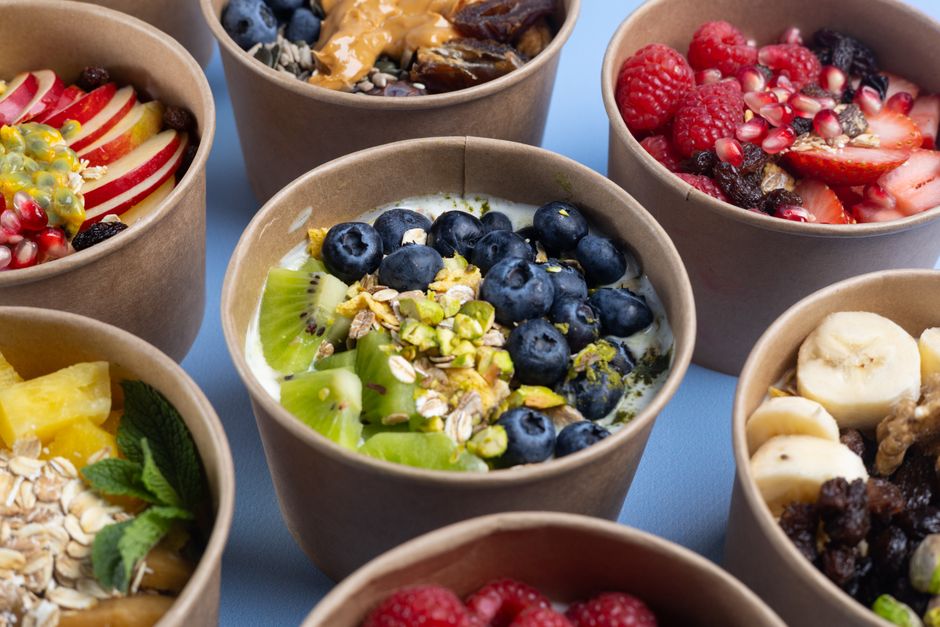
A light snack can be followed by a run in about 30 to 60 minutes. A small meal needs roughly 2 to 3 hours. A large, heavy meal is best followed by 3 to 4 hours before running. The exact window depends on how much you ate, what was in it, and how hard you plan to run.
Those numbers come from how the stomach and gut handle food during exercise, not from a single study. Digestion slows when blood flow shifts toward working muscles. The bigger and fattier the meal, the longer that process takes and the more likely it is to cause cramping, nausea, or a heavy, sloshing feeling.
How Long After I Eat Can I Run Timing By Meal Size?
Meal size is the single biggest factor in how long you should wait. Here is the general framework most sports nutrition guidance follows.
- Small snack (a banana, a piece of toast, a handful of crackers): about 30 to 60 minutes.
- Small meal (a bowl of oatmeal, a sandwich, a smoothie): about 2 to 3 hours.
- Large meal (a full plate with protein, starch, and vegetables): about 3 to 4 hours.
- Very heavy or high-fat meal (fried food, a big steak, a rich restaurant meal): often 4 hours or more.
These are starting points, not rules. They reflect typical stomach emptying times and common experience among runners. Individual variation is real — some people tolerate a sandwich 90 minutes before a run, others feel it for three hours.
One point worth clarifying: the timing advice is mostly about comfort, not performance. Running sooner than your gut likes does not damage anything. It just makes the run less pleasant and can cut it short.
Why Does Meal Size Change Digestion Time So Much?
The stomach empties at a rate that depends heavily on how much food it holds and what that food contains. Larger meals simply take longer to clear. Fat slows stomach emptying more than carbohydrate or protein does, which is why a greasy meal sits heavier for longer.
During exercise, the body sends more blood to the muscles and less to the digestive tract. This is a normal response — the body prioritizes working muscle. The result is that food already in the stomach moves through more slowly than it would at rest.
That combination — a full stomach plus reduced digestive blood flow — is what produces the classic symptoms of running too soon after eating: cramping, nausea, bloating, and that sloshing sensation. None of these are dangerous in a healthy person, but they are uncomfortable and can end a run early.
Does the Type of Food Matter as Much as the Amount?
Type matters, but amount matters more. A large low-fat meal will usually sit better than a smaller high-fat one, but an enormous meal of any kind takes time to clear.
Carbohydrate leaves the stomach fastest. Protein is intermediate. Fat is the slowest, because fat signals the stomach to empty more gradually. Fiber also slows digestion and can add to gut discomfort during hard running.
For a meal eaten a few hours before a run, a mix of mostly carbohydrate with some protein and modest fat tends to work well for most people. For a snack eaten close to a run, carbohydrate with very little fat or fiber is the usual choice.
There is no single food that suits everyone. Gut tolerance varies widely, and the best approach is to test what works on training runs rather than on race day.
Does Run Intensity Change the Timing?
Yes. Harder running slows digestion more than easy running. A gentle jog is far more forgiving of a recent meal than a fast interval session or a race effort.
At higher intensities, blood flow to the gut drops further and the stomach empties more slowly. That is why many runners can eat a light breakfast and jog comfortably an hour later, but would struggle to do the same before a hard workout.
As a rough guide, the harder the planned session, the more time you want between the meal and the run. Easy runs tolerate shorter windows. Hard efforts are better with a longer one.
What About Eating Right Before a Long Run or Race?
Most runners eat their main pre-run meal a few hours before a long run or race, then top up with a small carbohydrate snack closer to the start. This two-step approach lets the larger meal clear while keeping energy available.
The pre-race meal is not the time to try new foods. Gut tolerance is individual, and race-day nerves can make the stomach less cooperative than usual. Stick with foods you have already tested on training runs.
No clinical guidelines set an exact pre-race eating window for every runner. The general direction from sports nutrition guidance is to eat a familiar, mostly carbohydrate meal a few hours before, then a small snack in the final hour if needed and tolerated.
What If You Feel Hungry Before a Run?
A small, easily digested snack is usually fine 30 to 60 minutes before an easy run. Something like a banana, a few crackers, or a small piece of toast tends to sit lightly for most people.
Running on an empty stomach is not harmful for short, easy runs, and some runners prefer it. For longer or harder runs, going in with no fuel at all can leave you low on energy partway through.
If you feel full, heavy, or queasy, waiting longer is the simple fix. There is no benefit to pushing through gut discomfort, and it often makes the run worse rather than better.
How Do You Find Your Own Timing?
Test it on training runs, not on important days. Try a snack at 45 minutes before an easy run and see how you feel. Then try a small meal two hours out. Adjust based on what your stomach tells you.
Keep a simple note of what you ate, how long you waited, and how the run felt. Patterns show up quickly — most runners learn their own window within a few weeks of paying attention.
The numbers in this article are a reasonable starting frame. Your personal timing will land somewhere within or near them, and it may shift with the season, your training load, and how well you slept.
Frequently Asked Questions
How long after eating a big meal can I run?
Wait about 3 to 4 hours after a large meal, and longer if it was high in fat. A very heavy or greasy meal can take 4 hours or more to clear comfortably.
Can I run 30 minutes after eating a banana?
Yes, for most people a banana 30 minutes before an easy run is fine. It is small, mostly carbohydrate, and low in fat, so it clears quickly.
Is it bad to run right after eating?
It is not dangerous for a healthy person, but it often causes cramping, nausea, or bloating. The discomfort comes from a full stomach combined with reduced digestive blood flow during exercise.
Does drinking water count toward the waiting time?
No. Water and clear fluids empty from the stomach much faster than solid food and do not require the same waiting window. Sipping water before a run is generally fine.
