
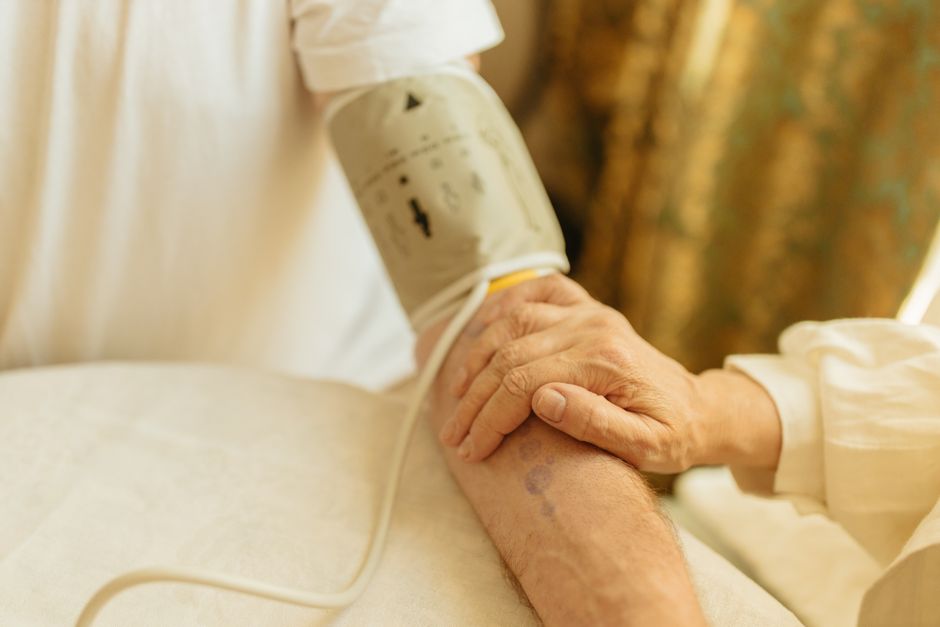
Most people can eat again within one to two hours after a routine upper endoscopy, once the numbing spray in their throat has worn off and they can swallow safely. If you received sedation, you will usually wait in a recovery area until you are fully awake and alert, which often takes about an hour. The exact timing depends on what was done during the procedure and whether you had any complications.
How Long After Endoscopy Can You Eat Again?
The short answer is that a standard diagnostic endoscopy without complications typically allows eating within one to two hours after the procedure. This applies to an esophagogastroduodenoscopy, often called an EGD or upper endoscopy, where a thin flexible tube with a camera examines your esophagus, stomach, and the first part of your small intestine.
The main reason for the wait is not your stomach. It is your throat. Most upper endoscopies use a local anesthetic spray, such as lidocaine, to numb the back of your throat so the scope passes comfortably. That numbness also blocks your swallowing reflex and your gag reflex. Eating or drinking before sensation returns raises the risk of choking or inhaling food into your airway.
Your care team will usually check that you can swallow normally before offering you something to drink. If you can swallow water without difficulty, you can generally move on to food. If you had sedation, you also need to be fully awake and oriented before eating, because sedation slows your reflexes and judgment.
Why Does the Type of Endoscopy Change When You Can Eat?
Not all endoscopies are the same. What was done during the procedure matters as much as the procedure itself.
A purely diagnostic upper endoscopy, where the doctor only looks and maybe takes small tissue samples called biopsies, rarely delays eating beyond the standard one to two hours. Biopsies of the stomach lining or esophagus are tiny and typically do not require a longer fast.
Certain therapeutic procedures do change the timeline:
- Dilation of a narrowed esophagus can cause small tears in the lining. In these cases, clinicians often recommend a period of clear liquids or soft foods before returning to normal eating.
- Removal of polyps or treatment of bleeding creates a small wound. Some doctors advise a longer period of fasting or a modified diet afterward.
- Placement of a feeding tube or stent usually comes with specific instructions from your care team about when and what to eat.
Because these situations vary, the general one-to-two-hour rule does not apply to everyone. If your procedure involved treatment rather than just examination, follow the instructions you were given rather than a general timeline.
What Should You Eat First After an Endoscopy?
Start with water or a clear liquid. If that goes down easily, you can try something light and easy to swallow.
Soft, bland foods tend to sit better than heavy or spicy meals, especially if your throat feels scratchy or your stomach feels a little unsettled. Good first choices include:
- Toast or plain crackers
- Yogurt or applesauce
- Bananas
- Plain rice or oatmeal
- Clear broth
There is no strong evidence that a specific food speeds recovery. The guidance to start bland is mostly practical. Your throat may be irritated from the scope, and your stomach may be sensitive after being examined. Bland food is simply less likely to cause discomfort.
Avoid very hot drinks and very cold drinks at first. Extreme temperatures can irritate a throat that is still numb or raw. Also avoid alcohol for the rest of the day, mainly because it can interact with any sedation medications still in your system.



Can You Drink Coffee or Tea After an Endoscopy?
You can usually have coffee or tea once you can swallow safely and your sedation has worn off, but many people find it irritates their throat or stomach right after the procedure.
Caffeine is acidic and can worsen heartburn or stomach discomfort, which some people feel after an endoscopy. If you had biopsies or treatment, your stomach lining may be more sensitive than usual. Starting with water and then a mild, lukewarm drink is gentler than jumping straight to a hot cup of coffee.
There is no clinical rule that bans coffee after endoscopy for everyone. It is a comfort issue more than a safety one, once your swallowing is normal and you are fully alert.
What About Sedation and Driving?
If you received sedation, you should not drive, operate machinery, or make important decisions for the rest of the day. This is a firm safety rule, not a suggestion.
Sedation medications like midazolam and fentanyl impair your reflexes and reaction time even after you feel alert. The effects can linger for hours. Arrange for a responsible adult to drive you home and stay with you for a while. You should also avoid alcohol, as it compounds the sedative effect.
Eating is fine once you are awake, but the bigger concern after sedation is your judgment and coordination, not your digestion. Do not sign contracts, cook on a hot stove, or care for dependent children alone until the medication has fully cleared.
When Should You Call Your Doctor After an Endoscopy?
Most people feel fine within a few hours. Mild throat soreness, bloating, and a little gas are common and usually pass quickly.
Contact your doctor if you notice any of the following:
- Severe or worsening abdominal pain
- Vomiting blood or material that looks like coffee grounds
- Black, tarry stools
- Fever
- Chest pain or trouble breathing
- Difficulty swallowing that does not improve
These symptoms are uncommon after a routine endoscopy, but they can signal a complication such as bleeding or a tear in the lining of the esophagus or stomach. These problems are rare, and most procedures go smoothly. Still, knowing the warning signs matters because early treatment makes a difference.
If you are unsure whether a symptom is serious, call your doctor’s office. It is always reasonable to ask.
Does Fasting Before the Procedure Affect How You Feel After?
You are usually asked not to eat for several hours before an endoscopy so your stomach is empty. This is required for safety and for a clear view. An empty stomach is also why some people feel lightheaded or shaky afterward.
Once you are cleared to eat, having something light can help you feel more stable, especially if you also had sedation. Do not rush a large meal. Eating slowly and starting small is easier on your system than a big meal right away.
If you have diabetes or another condition that affects how you handle fasting, your care team should give you specific instructions. General timelines do not always fit people who manage blood sugar carefully.
Frequently Asked Questions
How soon can I eat after an upper endoscopy?
Most people can eat within one to two hours after a routine upper endoscopy, once the throat numbing has worn off and they can swallow safely. If you had sedation, you also need to be fully awake first.
Can I eat right after an endoscopy with sedation?
You can usually eat once you are fully awake and can swallow normally, which often takes about an hour after the procedure. Do not eat while you still feel groggy or numb in the throat.
What foods should I avoid after an endoscopy?
Start with bland, soft foods and avoid very hot, very cold, spicy, or heavy meals at first. There is no strict ban on any food, but gentle choices are less likely to cause discomfort.
When can I drink water after an endoscopy?
You can usually sip water within about an hour, once the throat spray has worn off and you can swallow without trouble. If water goes down easily, you can move on to food.
