
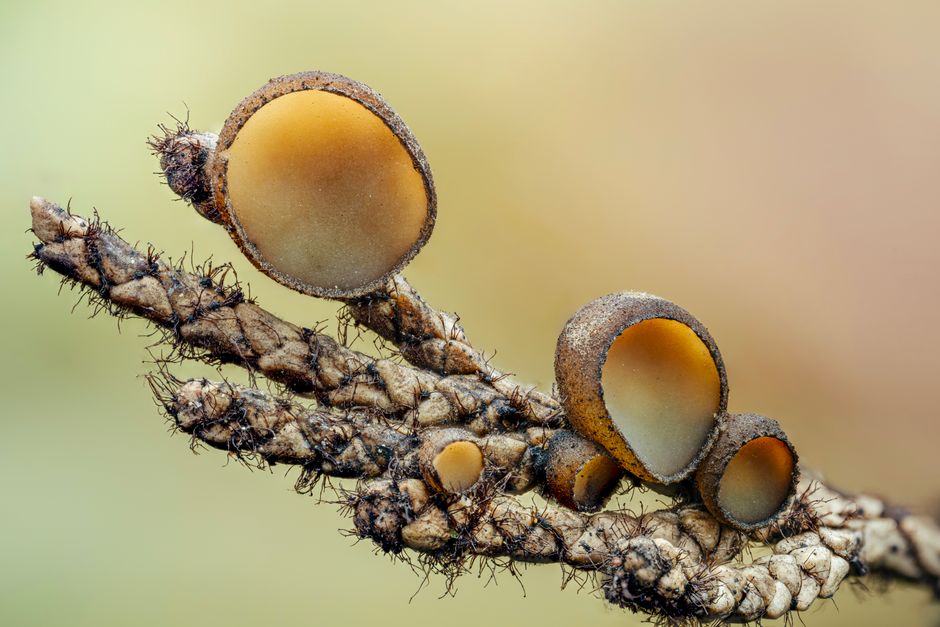
Fungus growing on a camera lens does not sit politely on the surface. It eats into the glass and the coatings bonded to it, and the damage it leaves behind is usually permanent. The visible result is a spreading web of fine filaments that scatters light, lowers contrast, and softens sharpness — and in many cases the marks stay on the lens even after the fungus itself is dead.
This is a real problem for anyone storing optics in warm, humid conditions. It affects camera lenses, binoculars, microscopes, telescopes, and rifle scopes alike. Understanding what fungus actually does to glass and coatings explains why prevention matters far more than cleaning.
How Lens Fungus Affects Image Quality And Coatings?
The fungus does not simply obscure the view. It chemically attacks the lens.
Fungal spores land on glass and, given moisture and warmth, germinate. The growing filaments — called hyphae — extend across the surface and, critically, into the microscopic gaps and pores of anti-reflective coatings. As the fungus grows, it secretes organic acids. These acids etch glass and dissolve the thin metal-oxide layers that make up modern lens coatings.
The optical consequences follow directly from that damage:
- Light scatter. Fungal filaments and the etched pits they leave behind scatter light in many directions instead of transmitting it cleanly. This shows up as haze and a washed-out, low-contrast image.
- Loss of coating function. Anti-reflective coatings work by controlling how light reflects at the glass surface. Once etched or eaten away, those layers stop doing their job. Reflections increase and transmission drops.
- Softness and flare. Scattered light reduces sharpness and produces flare and ghosting, especially when a bright source is in or near the frame.
- Permanent scarring. Even after the fungus dies, the etched tracks remain. They cannot be polished out without removing glass and coating.
How bad it gets depends on how long the fungus has been growing and how deep it has eaten. Early, surface-level growth may cause only mild haze. Advanced growth that has etched into the glass can render a lens unusable.
What Does Lens Fungus Actually Look Like?
It usually appears as a branching, spiderweb-like pattern of fine white or grey filaments. The pattern tends to radiate outward from a starting point, often near the edge of the element or around the inner rim where moisture collects.
It is often confused with other lens problems. Knowing the difference matters, because the fixes are different:
- Dust looks like discrete specks, not connected threads.
- Balsam separation — the cement between cemented glass elements failing — appears as a rainbow or oily sheen, often with a defined edge, and does not branch.
- Coating marks or scratches are usually straight or irregular lines, not a radiating web.
- Haze from lubricant outgassing looks like a uniform film or fog, not filaments.
A useful check: fungus tends to grow and spread over weeks and months. If a mark looks identical every time you inspect the lens, it is more likely to be a permanent defect than active growth.
Why Does Fungus Grow Inside a Sealed Lens?
Lenses are not truly sealed against the environment. They breathe.
Zoom lenses and many prime lenses move air in and out as internal elements shift and as temperature changes. That air carries moisture and fungal spores. Once inside, a lens offers fungus nearly everything it needs: organic material from lubricants, dust, and coating residues, plus a dark, stable environment.
The two conditions that matter most are humidity and temperature. Fungal growth on optical glass is strongly associated with warm, damp storage. This is why the problem is far more common in tropical and subtropical climates, and in any location where lenses sit for long periods in humid air without ventilation.
One detail that surprises people: fungus can grow on a lens that has never been used outdoors in the rain. A lens stored in a closed case in a humid room can develop growth just as easily as one used in the field. The case itself can trap moisture.




Which Conditions Make Lens Fungus Worse?
Several factors raise the risk. None of them is a guaranteed cause on its own, but together they create the conditions fungus needs.
- High humidity. Damp air is the single biggest factor. Storage in consistently humid conditions is strongly linked to growth.
- Warmth. Fungus grows faster in warm conditions. Cool, dry storage slows it.
- Darkness. Fungus does not need light, and a closed case keeps it dark.
- Poor ventilation. Sealed cases, foam inserts, and airtight bags trap moisture against the glass.
- Long storage without use. A lens that sits untouched for months gives fungus time to establish.
- Organic residue. Dust, skin oils, and old lubricants provide nutrients.
The practical takeaway is that the storage environment matters more than how the lens was used. A lens kept cool, dry, and ventilated is far less likely to develop growth than one sealed in a warm, damp case.
Can Lens Fungus Be Removed Without Damaging the Lens?
Sometimes the fungus can be killed and cleaned away. The damage it caused cannot be undone.
If growth is caught early and is still on the surface, a professional technician may be able to clean it off. This typically requires disassembling the lens, because fungus frequently grows on internal elements that cannot be reached from outside. Cleaning an internal element is skilled work, and reassembly must be done carefully to keep the lens aligned.
What cleaning cannot fix is etching. Once the fungus has eaten into the glass or dissolved the coating, those marks stay. A cleaned lens may still show reduced contrast, flare, or visible scarring in the affected area. In severe cases, the etched area is effectively permanent damage.
This is the core reason prevention matters so much. There is no reliable way to restore a coating that has been eaten away, and recoating a lens element is not a routine or economical repair for most optics. For a lens with significant etching, replacement is often the realistic option.
A note on home remedies: some people attempt to kill fungus with household chemicals or UV light. The evidence that these approaches reliably kill fungus inside a lens without harming coatings is limited, and aggressive chemicals can damage coatings themselves. Professional assessment is the safer route.
How Do You Prevent Lens Fungus?
Control the storage environment. That is where the risk is managed.
- Keep humidity down. Use a dry cabinet or sealed container with a desiccant when storing optics long-term, especially in humid climates. Recharge or replace desiccant regularly.
- Avoid sealed, damp cases. A closed foam case in a humid room traps moisture. If you use one, add desiccant and check it.
- Store cool and ventilated. A cool, airy shelf is generally better than a warm, sealed box.
- Use your gear. Periodically handling and airing lenses discourages long, undisturbed growth.
- Keep glass clean. Remove dust and fingerprints, which can feed fungus.
- Inspect regularly. Check internal elements with a light. Catching growth early gives the best chance of cleaning it off before it etches.
If you live in a humid region, a dry cabinet is one of the more effective tools available. It addresses the single biggest factor — moisture — directly.
Does Lens Fungus Spread to Other Lenses?
Fungal spores can spread between lenses stored together, but the spores are only part of the story.
Spores are everywhere in the air already. The reason one lens develops growth and another does not usually comes down to local conditions — moisture, warmth, and nutrients — rather than simple contact. Still, storing a lens with visible growth next to clean lenses is not ideal, because it can increase the spore load in a shared, enclosed space.
If you find a lens with active growth, it makes sense to isolate it, address the storage conditions, and have it assessed. Cleaning the storage area and reducing humidity helps protect the rest of your gear.
When Should You Get a Lens Professionally Assessed?
Get an assessment as soon as you notice a branching, web-like pattern on any element. Early growth is far easier to deal with than advanced growth.
A technician can tell you whether the fungus is still cleanable or whether it has already etched the glass or coating. That distinction determines whether the lens is worth repairing. It also tells you whether the problem is active or has been dormant for years.
The honest position is this: cleaning may remove the fungus, but it cannot restore coating that has been dissolved or glass that has been etched. If image quality has already dropped noticeably, the damage may be permanent. Prevention and early detection are the only reliable protections.
Frequently Asked Questions
Does lens fungus always damage the glass?
Not always. Very early growth that stays on the surface may be cleanable with little lasting harm. Once the fungus secretes acids that etch glass or dissolve coatings, that damage is permanent.
Can I kill lens fungus with UV light or sunlight?
UV light may inhibit fungal growth on exposed surfaces, but it cannot reliably reach fungus growing on internal elements. The evidence that it kills fungus inside a lens without harming coatings is limited.
Is lens fungus contagious to my other lenses?
Fungal spores can spread between lenses stored together, but growth depends mainly on moisture, warmth, and nutrients rather than simple contact. Reducing humidity in shared storage is the more important step.
Can a lens with fungus still take good photos?
It depends on how much damage has occurred. Mild surface growth may cause little visible effect, while etched glass and damaged coatings reduce contrast, cause flare, and soften sharpness in ways that cannot be corrected.
