
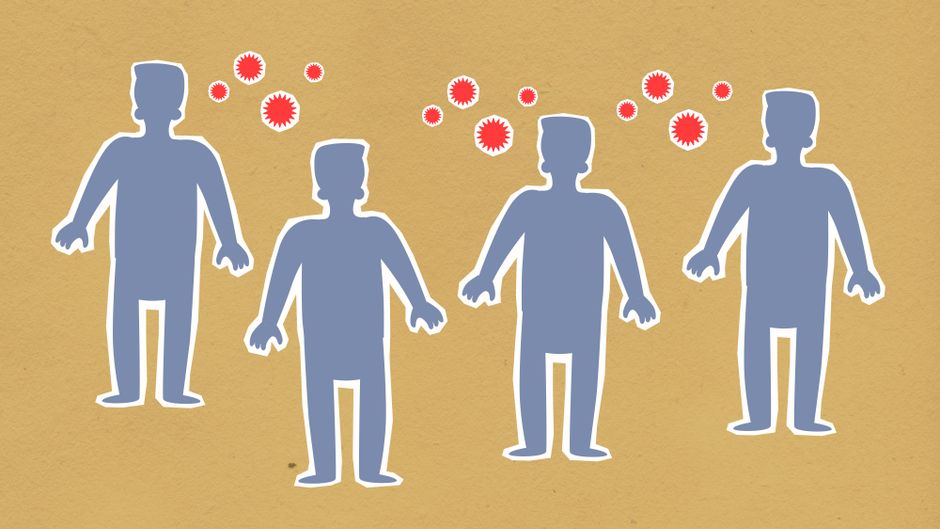
Varicella, commonly called chickenpox, spreads from person to person very easily. The varicella-zoster virus travels through the air when an infected person coughs or sneezes. You can also catch it by touching the fluid from chickenpox blisters. A person with chickenpox can spread the virus from 1 to 2 days before the rash appears until all blisters have crusted over, which usually takes about 5 to 7 days.
How Does the Varicella Virus Move From Person to Person?
The virus lives in the respiratory tract and in the fluid inside the blisters. When someone with chickenpox breathes, talks, coughs, or sneezes, tiny droplets carrying the virus enter the air. If you breathe those droplets in, the virus can infect your throat and lungs.
Direct contact with the rash is another common route. The blister fluid is highly infectious. Touching a blister and then touching your own mouth, nose, or eyes can transfer the virus. This is why scratching the rash and then touching shared surfaces can spread the illness.
In rare cases, the virus can spread through contact with contaminated objects. The virus does not survive long on surfaces outside the body, but transmission from freshly contaminated items like clothing or bedding is possible.
How Long Is a Person With Chickenpox Contagious?
The contagious period begins before any symptoms appear. A person can spread the virus 1 to 2 days before the rash shows up. This is a problem because they do not know they are sick yet and may be around others normally.
The contagious period ends once all the blisters have dried and formed scabs. This typically takes 5 to 7 days after the rash first appears. Until every single spot is crusted over, the person remains infectious. People with weakened immune systems may stay contagious longer.
Can You Catch Chickenpox From Someone With Shingles?
Yes, but the virus spreads differently. Shingles, also called herpes zoster, is caused by the same varicella-zoster virus. After a chickenpox infection, the virus stays dormant in nerve tissue. Years later, it can reactivate and cause shingles.
Shingles itself is not contagious. The virus cannot spread from the shingles rash through coughing or sneezing. However, if a person with shingles has open blisters, the fluid in those blisters contains live virus. Someone who touches that fluid and has never had chickenpox or the vaccine can develop chickenpox — not shingles.
People with active shingles should keep the rash covered. This reduces the risk of spreading the virus to vulnerable people, including pregnant women and those who have never had chickenpox.





Who Is Most at Risk of Catching Varicella?
Anyone who has not had chickenpox and has not been vaccinated is susceptible. In the United States, routine childhood vaccination has made chickenpox much less common than it was decades ago. But the virus still circulates, and unvaccinated people remain at risk.
Certain groups face higher risk of severe illness if they catch chickenpox:
- Infants and newborns, especially those born to mothers who have not had chickenpox
- Pregnant women who have never had chickenpox or the vaccine
- People with weakened immune systems, such as those on chemotherapy or organ transplant recipients
- Adults who never had chickenpox as children
Adults tend to have more severe symptoms than children. Pneumonia is a more common complication in adults with chickenpox.
How Is Chickenpox Diagnosed?
Doctors usually diagnose chickenpox by looking at the rash. The rash has a distinct pattern. It starts as small red bumps that become fluid-filled blisters. These blisters then burst and crust over. The rash often appears first on the face, chest, and back, then spreads to the rest of the body.
One hallmark of chickenpox is that the rash appears in waves. New bumps keep forming for several days, so a person can have bumps, blisters, and scabs all at the same time. This is different from many other rashes, which all appear at once.
In uncertain cases, a doctor may order laboratory tests. A polymerase chain reaction test, or PCR, can detect the virus from a swab of blister fluid or a blood sample. This is rarely needed but can be helpful in people with unusual symptoms or in vaccinated people who develop a mild rash.
Can the Chickenpox Vaccine Prevent Spread?
The varicella vaccine is highly effective at preventing chickenpox. Two doses of the vaccine are about 90% effective at preventing the disease entirely. People who get vaccinated and still catch chickenpox usually have a much milder illness with fewer blisters and no fever.
Vaccinated people who develop a mild breakthrough infection can still spread the virus. The risk is lower than in unvaccinated people, but it is not zero. This is why vaccinated people with a rash should stay home from work or school until the spots have crusted over.
The vaccine also reduces the chance of developing shingles later in life, though it does not eliminate it. The shingles vaccine is a separate vaccine recommended for adults over 50.
What Should You Do If You Have Been Exposed?
If you have had chickenpox before or have been vaccinated, you are very likely protected. No action is needed in most cases. If you are unsure whether you are immune, a blood test can check for antibodies.
People at high risk of severe illness should contact a doctor quickly after exposure. This includes pregnant women, newborns, and people with weakened immune systems. A doctor may recommend a medication called varicella-zoster immune globulin, which can reduce the severity of the illness if given soon after exposure.
For healthy people who are not immune, the vaccine can still help if given within 3 to 5 days of exposure. It may not prevent the illness entirely, but it can make it milder. Antiviral medications are available for people who develop chickenpox and are at risk of complications.
If you develop chickenpox, stay home until all blisters have crusted. Avoid contact with pregnant women, newborns, and anyone with a weakened immune system. Cover the rash with loose clothing to reduce the risk of spreading the virus to others.
How Does Chickenpox Compare to Other Common Rashes?
Chickenpox is often confused with other viral rashes, but it has distinctive features. The fluid-filled blisters are the key difference. Most other childhood rashes, such as measles or roseola, do not produce blisters filled with fluid.
Hand, foot, and mouth disease also causes blisters, but they appear mainly on the hands, feet, and inside the mouth. Chickenpox blisters are more widespread across the body. The “dew drop on a rose petal” appearance — a clear blister on a red base — is a classic sign of chickenpox.
If you are unsure what rash you or your child has, contact a healthcare provider. A correct diagnosis matters because the isolation guidelines differ for each illness.
Is There Any Risk of Long-Term Complications?
Most healthy children recover from chickenpox without lasting problems. The blisters heal without scarring if they are not scratched. Secondary bacterial infections of the skin are the most common complication, usually from scratching.
More serious complications include pneumonia, inflammation of the brain, and bloodstream infections. These are rare in healthy children but more common in adults, pregnant women, and people with weakened immune systems.
After the initial infection, the virus remains in the body for life. It can reactivate years later as shingles. This risk increases with age and in people with weakened immune systems. The shingles vaccine is recommended for adults to reduce this risk.
Frequently Asked Questions
Can you get chickenpox from being in the same room as someone who has it?
Yes. The virus spreads through the air when an infected person coughs or sneezes, so sharing a room is enough for transmission. The virus can also spread through direct contact with the rash.
How long does chickenpox survive on surfaces?
The virus does not survive long outside the body, typically only a few hours. Transmission from contaminated objects is possible but much less common than airborne or direct contact spread.
Can a vaccinated person spread chickenpox?
Yes, but the risk is much lower. Vaccinated people who develop a mild breakthrough infection can still spread the virus to others who are not immune.
Is chickenpox contagious before the rash appears?
Yes. A person can spread the virus 1 to 2 days before the rash shows up. This makes it difficult to prevent exposure because the infected person does not know they are sick yet.
