
Typhoid fever spreads through the fecal-oral route. That means the bacteria travel from an infected person’s stool into another person’s mouth. This usually happens through contaminated food or water. The infection is caused by Salmonella Typhi, a bacterium that only infects humans.
How Is Typhoid Spread From Person to Person?
Typhoid is not spread through casual contact like shaking hands or sitting next to someone. You cannot catch it from a cough or sneeze. The bacteria must be swallowed.
An infected person passes the bacteria in their stool. If they do not wash their hands properly after using the bathroom, they can leave the bacteria on surfaces. From there, the bacteria can reach food, drinks, or another person’s hands.
Some people become chronic carriers. They may not feel sick, but they continue to shed the bacteria in their stool for years. The most famous example was Mary Mallon, known as “Typhoid Mary,” a cook in the early 1900s who infected dozens of people. Carriers remain a real source of transmission today.
Contaminated Water and Food: The Main Routes
In places with poor sanitation, contaminated water is the most common way typhoid spreads. The bacteria survive in water and can contaminate entire communities through a single source.
Food becomes contaminated in several ways:
- Washed or irrigated with contaminated water
- Handled by someone with active infection or a carrier
- Prepared by someone who did not wash their hands
- Eaten raw when grown in contaminated soil
Shellfish from contaminated waters carry a particular risk. So does raw produce. Street food in high-risk areas is a common source for travelers.
Why Hand Washing Matters So Much
Hand washing is the single most effective personal habit to stop transmission. The bacteria live in the digestive tract. They leave the body only through stool. If hands are clean, the chain breaks.
Soap and water are enough. Alcohol-based hand sanitizers work too, but they are less effective when hands are visibly dirty. The key moment is after using the bathroom and before touching food.
This sounds simple, but the numbers tell a different story. Studies consistently show that many people do not wash their hands after using the toilet, even in healthcare settings.





What Are the Symptoms of Typhoid?
Symptoms usually appear one to two weeks after swallowing the bacteria. The illness builds gradually.
Early signs include:
- Fever that rises step by step over several days
- Headache
- Weakness and fatigue
- Loss of appetite
- Stomach pain
Constipation is more common than diarrhea in adults during the first week. Some people develop a flat, pink rash on their torso, though it can be hard to see on darker skin. The fever can reach 103–104°F (39.5–40°C) and stay high.
Without treatment, symptoms can last for weeks or months. With proper antibiotics, most people improve within a few days. Even with treatment, recovery can take several weeks.
How Is Typhoid Diagnosed?
Doctors cannot diagnose typhoid from symptoms alone. Many other infections cause the same pattern of fever and stomach discomfort.
The standard test is a blood culture. A sample of blood is placed in a medium that allows the bacteria to grow. This test is most reliable during the first week of illness. Stool cultures can also detect the bacteria but are less useful early on.
Blood cultures take a few days to show results. Rapid tests exist, but their accuracy varies. Doctors often start treatment based on clinical suspicion while waiting for culture results, especially if the person has traveled to a high-risk area.
How Is Typhoid Treated?
Typhoid is treated with antibiotics. Prompt treatment reduces the severity of illness and lowers the risk of complications.
Antibiotic resistance is a growing problem. In some regions, older drugs like chloramphenicol and ampicillin no longer work. Current treatment depends on local resistance patterns. Ceftriaxone, azithromycin, and fluoroquinolones are commonly used, but resistance varies by region.
Fluids and rest are important parts of recovery. Dehydration can occur, especially if diarrhea develops. In severe cases, hospitalization may be needed for intravenous fluids and closer monitoring.
Without treatment, typhoid can cause serious complications. Intestinal bleeding and perforation are the most dangerous. These occur when the bacteria cause ulcers in the bowel wall. Perforation is a surgical emergency and can be fatal if not treated quickly.
Is There a Vaccine for Typhoid?
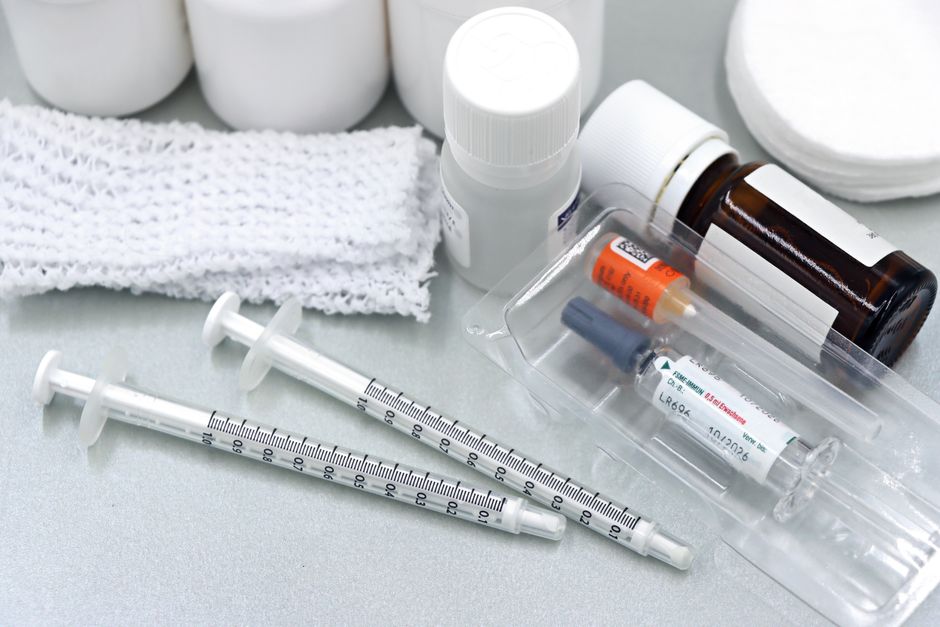
Yes. Two types of typhoid vaccines are available. One is injected and uses an inactivated vaccine. The other is taken orally and uses a live, weakened strain of the bacteria.
Both vaccines offer partial protection. They reduce the risk of infection but do not guarantee complete protection. Even vaccinated people can get typhoid if exposed to a large dose of bacteria.
Vaccines are recommended for travelers going to areas where typhoid is common. They are also used in some outbreak situations. Booster doses are needed because protection fades over time.
The typhoid vaccine does not protect against paratyphoid fever, a similar illness caused by a different bacterium.
Who Is at Highest Risk?
Typhoid is most common in South Asia, Southeast Asia, and sub-Saharan Africa. These regions have the highest rates of infection due to challenges with clean water and sanitation.
Travelers to these areas face increased risk. The risk is highest for those staying with local families or eating street food. Short-term travelers staying in major hotels have lower risk but are not immune.
People who live with someone who has typhoid are at higher risk. Household contacts can be tested to see if they carry the bacteria.
Young children and older adults tend to have more severe illness. People with reduced stomach acid, such as those taking acid-suppressing medications, may also be more vulnerable because stomach acid kills many swallowed bacteria.
Frequently Asked Questions
Can you get typhoid from kissing?
Deep kissing can transmit the bacteria if the infected person’s saliva carries it. Casual kissing on the cheek poses no risk.
How long is a person with typhoid contagious?
A person can spread the bacteria from the first week of illness until several weeks after recovery without antibiotics. With proper antibiotic treatment, most people stop shedding the bacteria within a few days.
Can typhoid come back after treatment?
Yes, symptoms can return in about 5–10 percent of treated patients. This is called a relapse and usually happens a few weeks after the initial recovery.
Does boiling water kill typhoid bacteria?
Yes, bringing water to a rolling boil kills Salmonella Typhi. Boiling water is one of the most reliable ways to make it safe in high-risk areas.
Typhoid is a serious illness, but it is preventable and treatable. Clean water, proper sanitation, hand washing, and vaccination are the pillars of prevention. If you develop a high fever after traveling to a high-risk region, seek medical attention and mention your travel history.
