
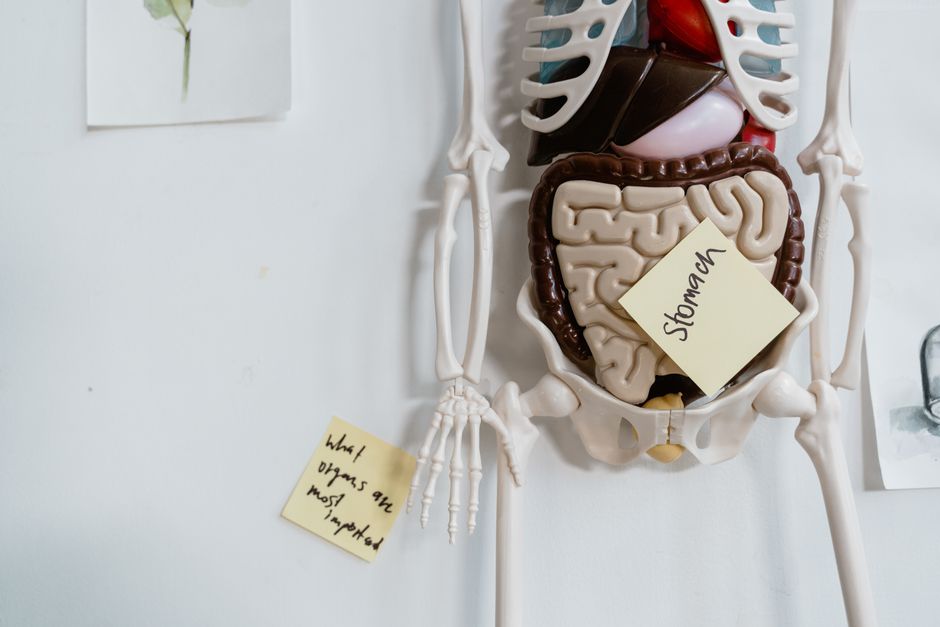
The digestive system and the endocrine system are deeply connected. The endocrine system controls digestion through hormones, and the digestive system itself is the largest hormone-producing organ in the body. These two systems work together to break down food, absorb nutrients, and manage blood sugar levels. Without one, the other could not function properly.
How Does the Endocrine System Control Digestion?
The endocrine system releases hormones that tell the digestive system what to do and when to do it. These hormones travel through the bloodstream to reach specific organs. They control how much digestive juice is made, how fast food moves through the gut, and when you feel hungry or full.
The brain starts the process. When you see or smell food, the brain sends signals through nerves to trigger the release of saliva and stomach acid. This is called the cephalic phase of digestion. It happens before food even reaches your mouth.
Once food enters the stomach, hormones take over. Gastrin is released by cells in the stomach lining. It signals the stomach to produce acid and enzymes needed to break down protein. Without gastrin, digestion of protein would be slow and incomplete.
The small intestine releases its own set of hormones when food arrives. Cholecystokinin, often called CCK, tells the gallbladder to release bile and the pancreas to release digestive enzymes. Secretin signals the pancreas to release bicarbonate, which neutralizes stomach acid so the small intestine is not damaged.
These hormones do not act alone. They work with the nervous system, specifically the vagus nerve, to coordinate the entire digestive process. The result is a finely tuned system that adjusts to whatever you eat.
What Hormones Does the Digestive System Produce?
The digestive tract is not just a passive tube. It is an active endocrine organ. Cells lining the stomach and intestines produce more than 30 different hormones. These hormones regulate digestion, appetite, and metabolism.
Ghrelin is produced mainly in the stomach. It is often called the hunger hormone because it increases appetite. Levels rise before meals and fall after eating. Some research suggests ghrelin also plays a role in protecting the stomach lining and promoting growth hormone release.
Leptin is produced by fat cells, not the digestive tract, but it works closely with digestive hormones. It signals the brain that you have enough energy stored. The balance between ghrelin and leptin helps regulate body weight over time.
Incretins are hormones released from the intestines after eating. The two main ones are GLP-1 and GIP. They stimulate insulin release from the pancreas, which helps lower blood sugar. GLP-1 also slows stomach emptying, which helps control appetite. This is why GLP-1 medications have become widely used for diabetes and weight management.
The digestive system also produces serotonin. About 90 percent of the body’s serotonin is made in the gut. Serotonin helps regulate intestinal movements and can influence nausea. It also communicates with the brain through the vagus nerve, which is why gut health can affect mood.
How Do Digestive Hormones Regulate Blood Sugar?
Blood sugar regulation is one of the most important jobs shared by the digestive and endocrine systems. When you eat carbohydrates, they are broken down into glucose. This glucose enters the bloodstream through the small intestine.
Rising blood sugar triggers the pancreas to release insulin. Insulin tells cells throughout the body to take up glucose for energy or storage. This is a classic endocrine function. But the digestive system influences how fast glucose enters the blood in the first place.
Foods that are digested quickly cause rapid glucose absorption. This leads to a quick insulin spike. Foods that are digested slowly cause gradual glucose absorption. This leads to a slower, more controlled insulin response. This is why the glycemic index of foods matters for blood sugar control.
The incretin hormones GLP-1 and GIP are central to this process. They are released in response to nutrients in the intestine, and they amplify insulin secretion. In fact, studies have shown that oral glucose produces a much larger insulin response than the same amount of glucose given intravenously. This difference is called the incretin effect, and it demonstrates how closely the digestive and endocrine systems work together.
In type 2 diabetes, this system breaks down. Insulin resistance develops, and the incretin response is often reduced. Medications that mimic GLP-1 help restore some of this function. They improve insulin release, slow digestion, and reduce appetite.





What Happens When This Relationship Breaks Down?
When the digestive and endocrine systems stop communicating properly, health problems can develop. Some of these problems are common and well documented.
Gastroparesis is a condition where the stomach empties too slowly. It is often caused by damage to the vagus nerve, which can happen in long-standing diabetes. Because the nerve signals are disrupted, the stomach does not contract normally. Symptoms include nausea, bloating, and feeling full after small meals. High blood sugar itself can also slow stomach emptying, creating a cycle that is hard to break.
Dumping syndrome is the opposite problem. The stomach empties too quickly, often after certain types of stomach surgery. Food moves rapidly into the small intestine, causing a large release of hormones and a rapid rise in blood sugar. This is followed by an excessive insulin response, which can cause blood sugar to drop sharply. Symptoms include dizziness, sweating, and weakness shortly after eating.
Hormone-producing tumors of the digestive tract are rare but serious. Carcinoid tumors can produce excess serotonin, causing flushing and diarrhea. Gastrinomas produce excess gastrin, leading to severe ulcers. These conditions are uncommon, but they show what happens when digestive hormone production goes unchecked.
Even without specific diseases, the balance can be disrupted. Chronic stress affects digestive hormones and can alter appetite, gut motility, and nutrient absorption. Poor sleep has been shown to affect ghrelin and leptin levels, which may increase hunger and cravings.
How Does Gut Health Affect Hormones?
The gut microbiome — the community of bacteria living in the intestines — interacts with the endocrine system in ways researchers are still studying. Some evidence suggests that gut bacteria can influence hormone levels and metabolism.
Short-chain fatty acids are produced when gut bacteria ferment fiber. These compounds can influence the release of GLP-1 and other hormones. They may also affect insulin sensitivity. Some studies suggest that a diet rich in fiber supports a healthier gut microbiome and better metabolic health, but the exact mechanisms are still being clarified.
The gut microbiome also interacts with the immune system. Since the gut is the largest immune organ in the body, inflammation in the gut can have effects beyond digestion. Chronic low-grade inflammation is associated with insulin resistance and metabolic syndrome. This is an area of active research, and the evidence is not yet conclusive about cause and effect.
Probiotics and fermented foods are often marketed as hormone-balancing. Some research suggests they may have modest benefits for digestive health and metabolic markers. However, no large clinical trials have confirmed that probiotics can treat hormonal conditions. The evidence is limited, and results vary by strain and individual.
The most reliable way to support gut health is through diet. Eating a variety of fiber-rich plant foods supports a diverse microbiome. This is a well-established dietary principle, even if the specific hormonal effects are still being studied.
Can Digestive Hormones Affect Appetite and Weight?
Yes, digestive hormones play a major role in appetite regulation. They tell the brain whether you are hungry or full. This system involves both short-term signals from meals and long-term signals about body fat stores.
Ghrelin rises before meals and drops after eating. It is one of the main short-term hunger signals. Its levels tend to be lower in people with obesity and higher after weight loss. This may be one reason why maintaining weight loss is difficult — the body increases hunger signals in response to reduced calorie intake.
CCK, GLP-1, and peptide YY are released after meals and promote fullness. They slow stomach emptying and send signals to the brain that reduce food intake. The combination of these hormones helps determine how satisfying a meal feels.
The long-term regulation of body weight depends on leptin. Leptin is produced by fat tissue and signals the brain about energy stores. When fat stores are adequate, leptin suppresses appetite. In obesity, however, the brain can become resistant to leptin’s signals. This means high leptin levels do not always result in reduced appetite.
These hormones do not operate independently. They interact with brain centers that control reward, stress, and habit. This is why appetite is not just a matter of willpower — it is a complex biological system.
Frequently Asked Questions
How is the digestive system related to the endocrine system?
The endocrine system releases hormones that control digestion, while the digestive system produces many of its own hormones. Together they regulate digestion, blood sugar, appetite, and metabolism.
What hormones are produced by the digestive system?
The digestive tract produces ghrelin, gastrin, secretin, cholecystokinin, GLP-1, GIP, and most of the body’s serotonin. These hormones control hunger, digestion, and blood sugar response.
Can digestive problems cause hormonal imbalances?
Yes, conditions that damage the digestive tract or its nerves can disrupt hormone production and signaling. Diabetes-related nerve damage and certain gut tumors are examples of this.
Does gut health affect blood sugar?
Yes, gut hormones directly influence insulin release and blood sugar control. The gut microbiome may also play a role, though the exact mechanisms are still being studied.
