
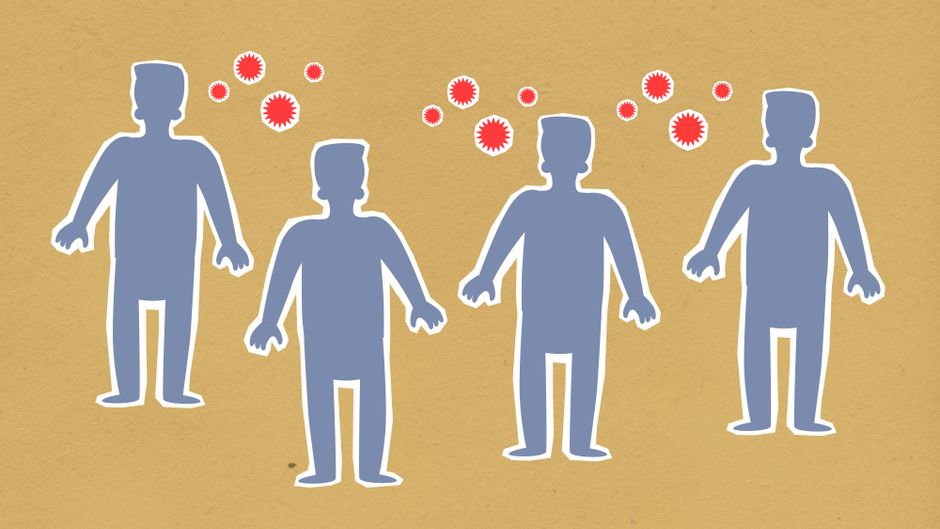
Smallpox spreads from person to person through direct and prolonged face-to-face contact. The virus travels in droplets when an infected person coughs, sneezes, or talks. It can also spread through contact with contaminated clothing or bedding. There is no evidence it spreads through air over long distances like measles does.
How Does Smallpox Spread From Person to Person?
The main route is respiratory droplets. When someone with smallpox coughs or sneezes, they release virus particles into the air. The droplets are heavy and fall to the ground within a few feet. This is why close contact — typically within six feet — is required for transmission.
Direct contact with the rash or scabs also spreads the virus. The fluid inside smallpox blisters is packed with live virus. Touching a patient’s skin lesions and then touching your own eyes, nose, or mouth can lead to infection. The CDC states that smallpox is most contagious during the first week of the rash when the sores are open and leaking.
Indirect contact matters too. The virus can survive on clothing, bedding, and other surfaces for days in cool, dry conditions. A person who handles contaminated linens without proper protection can become infected. This is why strict isolation and decontamination were critical during smallpox outbreaks.
How Is Smallpox Spread Through the Air?
Smallpox is not airborne in the way many people think. It does not hang in the air for hours or travel through ventilation systems like tuberculosis or measles. The virus requires close, face-to-face contact to spread through respiratory droplets.
Research published by the World Health Organization shows that transmission rarely occurs beyond a few feet from the patient. In rare cases, hospital workers who entered a patient’s room shortly after a cough or bedding change became infected. But these events are the exception, not the rule.
This distinction matters for public health planning. During the smallpox eradication campaign, simple measures like keeping patients in well-ventilated rooms and using masks for close contact were enough to stop spread. No special air handling systems were needed.
What Is the Contagious Period for Smallpox?
Smallpox is not contagious during the incubation period. The incubation period lasts 7 to 17 days after exposure, and the person feels fine during this time. They cannot infect anyone.
Contagiousness begins when the fever starts, just before the rash appears. This prodromal phase lasts 2 to 4 days. During this window, the person feels sick but does not yet have the telltale blisters. They can still spread the virus through coughing and sneezing.
The most contagious period is the first week of the rash. The sores are filled with fluid containing high concentrations of virus. Scabs that form later contain less virus, but they remain infectious until they fall off completely. The patient is no longer contagious once all scabs have separated, which usually takes about 3 to 4 weeks from the start of the rash.





Can Smallpox Spread From Objects or Surfaces?
Yes, but this is less common than person-to-person spread. The variola virus can survive on dry surfaces for days or even weeks under the right conditions. Studies from the CDC show that the virus remains stable in low humidity and cool temperatures.
Objects that pose the highest risk include:
- Bedding and linens from an infected patient
- Clothing worn by someone with the rash
- Bandages or dressings that touched open sores
- Medical equipment used in patient care
However, surface transmission requires that the virus enters the body through the eyes, nose, or mouth. Simply touching a contaminated surface and washing your hands shortly after reduces risk significantly. The virus does not penetrate intact skin. This is why hand hygiene and proper laundering of contaminated items were effective control measures.
How Is Smallpox Spread Compared to Other Diseases?
Smallpox spreads less easily than many common viral illnesses. Understanding these differences helps explain why smallpox was eradicated through vaccination and isolation, while other diseases persist.
| Disease | Primary Spread Method | Contagious Before Symptoms | Airborne Over Distance |
|---|---|---|---|
| Smallpox | Respiratory droplets, direct contact | No | No |
| Measles | Airborne | Yes | Yes, up to 2 hours |
| Chickenpox | Airborne, direct contact | Yes | Limited |
| Influenza | Respiratory droplets | Yes | No |
The table shows a key reason smallpox could be eradicated: it does not spread before symptoms appear and it does not travel through the air over long distances. This made it possible to identify cases, isolate them, and vaccinate close contacts — a strategy called ring vaccination that worked globally.
What Factors Increase the Risk of Smallpox Spread?
Close, prolonged contact is the biggest risk factor. Living in the same household or caring for a sick family member puts you at highest risk. Hospital workers who treat smallpox patients without proper protective equipment are also at high risk.
Crowded, poorly ventilated spaces increase transmission. In historical outbreaks, smallpox spread more rapidly in dormitories, barracks, and tenement housing. The virus survives longer in still air, and droplets reach more people in tight quarters.
Lack of prior vaccination or immunity is another major factor. People who were vaccinated decades ago may still have some protection, but it wanes over time. The CDC notes that routine smallpox vaccination ended in the United States in 1972, meaning most people under 50 have no immunity at all.
Seasonal factors play a minor role. Smallpox spread year-round but was slightly more common in winter when people stayed indoors. Unlike influenza, it did not have a strong seasonal pattern.
Frequently Asked Questions
Can smallpox spread through the air in a building?
No, smallpox does not travel through ventilation systems or hang in the air for long periods. It requires close face-to-face contact to spread through respiratory droplets.
How long is a person with smallpox contagious?
A person is contagious from the time the fever starts until all scabs have fallen off, which is usually about 3 to 4 weeks total.
Can you get smallpox from touching a surface?
Yes, but it is less common. The virus can survive on clothing and bedding for days, and infection occurs when you touch a contaminated surface and then your eyes, nose, or mouth.
Does smallpox spread before the rash appears?
Yes, a person can spread the virus during the prodromal phase when they have a fever but no rash yet. This period lasts 2 to 4 days.
