
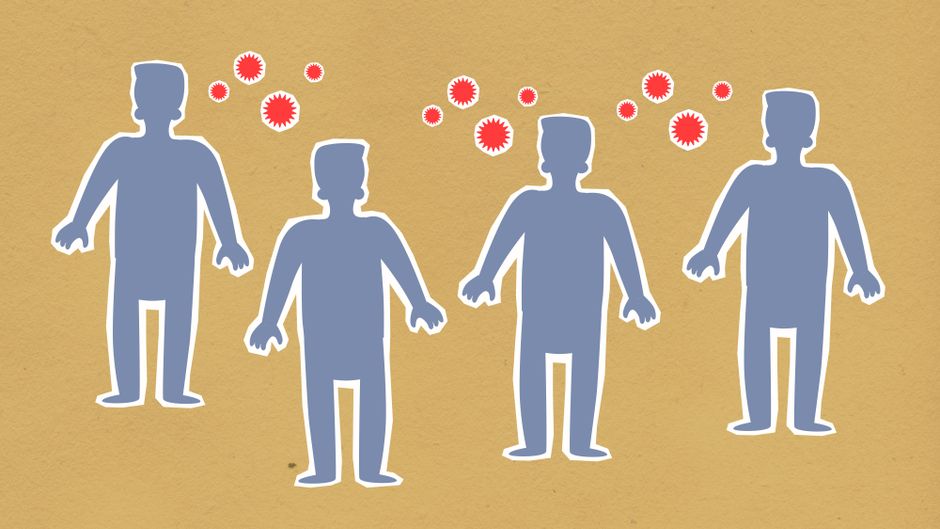
Poliomyelitis, often called polio, spreads from person to person through the fecal-oral route. This means the virus lives in an infected person’s stool and enters the mouth of another person, usually through contaminated hands, water, or food. In rare cases, it can also spread through respiratory droplets from a cough or sneeons, but the fecal-oral route is the primary path of transmission.
How Is Poliomyelitis Spread?
Polio spreads when even a tiny amount of feces from an infected person ends up in another person’s mouth. This happens most often through poor hand hygiene. If an infected person does not wash their hands after using the bathroom, they can leave the virus on doorknobs, toys, food, or any surface they touch. The next person touches that surface, then touches their mouth, and the virus has a new home.
Contaminated water is another major pathway. In areas with inadequate sanitation, sewage containing the virus can enter drinking water sources. The virus can also survive in food that is washed with contaminated water or handled by someone with the virus on their hands.
The virus is extremely contagious. People who are infected shed the virus in their stool for several weeks, even if they show no symptoms at all. This makes silent transmission possible — someone can spread polio without ever knowing they are sick.
Who Is Most at Risk of Contracting Polio?
Anyone who has not been vaccinated against polio is at risk. The poliovirus does not discriminate by age, gender, or geography. However, certain groups face higher exposure risk.
People living in areas with poor sanitation and limited access to clean water face the highest risk. So do travelers visiting regions where polio is still circulating. Children under five years old are the most likely to contract the virus, though unvaccinated adults can and do get it too.
People who have received the complete polio vaccine series have strong protection. The vaccine is highly effective, and vaccinated individuals rarely contract the disease. However, no vaccine is 100% effective, and immunity can wane over time, which is why booster doses are sometimes recommended for travelers to high-risk areas.
What Happens After the Virus Enters the Body?
Once the poliovirus enters through the mouth, it begins multiplying in the throat and the intestinal tract. For most people, the infection stops there. Roughly 72 out of 100 people infected with polio will have no symptoms at all. Their immune system clears the virus within a week or two, and they never know they were infected.
About 24 out of 100 people will develop mild symptoms. These can include fever, fatigue, headache, vomiting, stiffness in the neck, and pain in the limbs. These symptoms typically last two to five days and then resolve completely. This is called abortive poliomyelitis.
In a small fraction of cases — roughly 1 in 200 — the virus leaves the intestine and enters the bloodstream, then travels to the central nervous system. Once there, it can attack motor neurons in the spinal cord. This is when paralysis occurs. The paralysis can be partial or complete, and it can affect one limb or multiple limbs. In the most severe cases, the virus affects the muscles used for breathing, which can be fatal without respiratory support.





How Long Is an Infected Person Contagious?
An infected person can spread the virus as soon as the virus is present in their throat and stool. The virus appears in the throat about one to three days after exposure and in the stool about three days after exposure.
People can shed the virus in their stool for up to six weeks, even if they never develop symptoms. This long shedding period is one reason polio is so difficult to contain. An apparently healthy person can be actively spreading the virus for more than a month.
Good hand hygiene with soap and water is critical throughout this entire period. Alcohol-based hand sanitizers are not as reliable against poliovirus as soap and water, because the virus is non-enveloped and more resistant to alcohol.
Can Polio Spread Through Coughing or Sneezing?
Yes, but this is not the primary route. The poliovirus can be present in the throat of an infected person during the early stages of infection. Respiratory droplets from a cough or sneeze can theoretically transmit the virus to someone nearby.
This route is considered minor compared to fecal-oral transmission. Public health authorities focus on sanitation and hand hygiene because those measures address the main pathway. However, avoiding close contact with someone who is actively ill with polio symptoms is still a reasonable precaution.
How Does the Oral Polio Vaccine Affect Transmission?
There are two types of polio vaccine: the inactivated polio vaccine (IPV), which is given as an injection, and the oral polio vaccine (OPV), which is given as drops in the mouth. They work differently, and this matters for transmission.
IPV protects the individual from getting paralyzed by polio. It does this by creating antibodies in the blood. However, IPV does not create strong immunity in the intestines. A person vaccinated with IPV can still carry the poliovirus in their gut and shed it in their stool. This means they can still transmit the virus to others, even though they themselves will not get paralyzed.
OPV, on the other hand, creates strong intestinal immunity. This blocks the virus from multiplying in the gut, which means vaccinated people shed far less virus. This is why OPV has been the primary tool for interrupting transmission in global eradication campaigns. OPV is no longer used in the United States; IPV has been the only vaccine given there since 2000.
There is an important complication with OPV. In extremely rare cases, the weakened virus in the vaccine can mutate and regain the ability to cause paralysis. This is called vaccine-derived poliovirus. It can spread in under-vaccinated communities and cause outbreaks. This is why global health efforts are working toward phasing out OPV entirely once wild polio is eradicated.
Is Polio Still a Threat Today?
Wild poliovirus has been eliminated from most of the world. As of recent years, it remains endemic in only two countries: Afghanistan and Pakistan. However, outbreaks of vaccine-derived polio have occurred in other countries, including parts of Africa and Asia, where vaccination coverage has dropped.
The risk to people in the United States is very low because of high vaccination rates and good sanitation. But the risk is not zero. If an unvaccinated traveler brings the virus into a community with low vaccination coverage, the virus can spread. A small number of polio cases have been reported in the U.S. in recent years among unvaccinated individuals, and wastewater surveillance has detected the virus in several communities.
The lesson is straightforward: polio is one plane ride away from any community. Vaccination remains the single most effective protection against this disease.
How Can You Protect Yourself and Your Family?
The polio vaccine is the only effective prevention. The CDC recommends that children receive four doses of IPV at ages 2 months, 4 months, 6 through 18 months, and 4 through 6 years. Adults who were fully vaccinated as children are considered protected for life.
Adults who were never vaccinated, or who are unsure of their vaccination status, should receive the vaccine. Travelers heading to countries where polio is present should confirm their vaccination status before departure. Some countries require proof of polio vaccination for entry.
Beyond vaccination, basic hygiene practices reduce risk. Wash hands thoroughly with soap and water after using the bathroom, before preparing food, and after changing diapers. Drink water from safe sources. In areas with questionable sanitation, avoid raw foods that may have been washed in contaminated water.
Frequently Asked Questions
Can you get polio from a swimming pool?
Yes, if the pool water is contaminated with feces from an infected person and you swallow that water. Properly chlorinated pools are not a risk because chlorine inactivates the virus.
Is polio airborne?
No, polio is not truly airborne. It can spread through large respiratory droplets from a cough or sneeze, but it does not hang in the air like measles or chickenpox.
How long does the polio virus survive on surfaces?
The virus can survive on surfaces for several days under the right conditions, especially in cool, moist environments. Regular cleaning with disinfectants kills it.
Can a vaccinated person spread polio?
Someone vaccinated with IPV can carry and shed the virus in their stool, though they themselves will not get paralyzed. Someone vaccinated with OPV has strong intestinal immunity and sheds very little virus.
