
Osteoporosis develops when the body loses too much bone, makes too little bone, or both. Your bones are living tissue that constantly breaks down and rebuilds. Until about age 30, you build more bone than you lose. After that, bone loss slowly outpaces bone formation. Several factors speed this up, including hormone changes, diet, and lifestyle choices. Understanding what causes osteoporosis helps you know what you can control and what you cannot.
What Role Do Hormones Play in Bone Loss?
Hormones act like chemical messengers that tell your bones when to build and when to break down. When those signals change, bone density can drop quickly.
Estrogen is the most important hormone for bone health in women. It helps slow the natural breakdown of bone. When estrogen levels fall sharply during menopause, bone loss accelerates. Women can lose up to 20 percent of their bone density in the five to seven years after menopause. This is why women develop osteoporosis more often and earlier than men.
Testosterone protects bone in men. Men also lose bone as they age because testosterone levels decline gradually. By age 65 or 70, men and women lose bone at similar rates. Men often get diagnosed later, which means their fractures tend to be more severe when they occur.
Other hormones matter too. Thyroid hormone, when present in excess, can increase bone breakdown. Parathyroid hormone controls calcium levels in your blood. When calcium levels drop, this hormone pulls calcium out of your bones to keep your blood levels stable. Cortisol, the stress hormone, also affects bone. Prolonged high cortisol levels from conditions like Cushing’s syndrome weaken bone over time.
How Does Diet Influence Bone Density?
Your bones need specific nutrients to stay strong. Calcium is the main building block. Your body cannot make calcium, so it must come from food. If you do not eat enough, your body takes calcium from your bones to keep your blood levels normal. Over time, this depletes your skeleton.
Adults need about 1,000 milligrams of calcium daily. Women over 50 and men over 70 need about 1,200 milligrams daily. Dairy products, leafy greens, and fortified foods provide calcium. One cup of milk has about 300 milligrams. A cup of cooked kale has about 100 milligrams.
Vitamin D is just as important because your body cannot absorb calcium without it. Vitamin D helps your intestines take in calcium from food. Most people get vitamin D from sun exposure and foods like fatty fish and fortified milk. The recommended daily amount is 600 IU for adults under 70 and 800 IU for adults over 70. Many people, especially those in northern climates or who spend little time outdoors, need supplements to reach these levels.
Protein also matters for bone structure. Bones are about 50 percent protein by volume. Low protein intake is linked to poorer bone health, especially in older adults. However, extremely high protein intake may increase calcium loss through urine. A balanced protein intake from plants and animals supports bone without this downside.
Can Lifestyle Choices Cause Osteoporosis?
Several everyday habits directly affect your bone health. Smoking is one of the clearest risk factors. Tobacco use reduces blood flow to bones and lowers estrogen levels in women. Smokers have measurably lower bone density than nonsmokers. The effect is stronger with longer smoking histories.
Alcohol interferes with bone formation and calcium absorption. Heavy drinking — more than two drinks daily — increases fracture risk significantly. Alcohol also increases fall risk, which compounds the danger for people with weak bones.
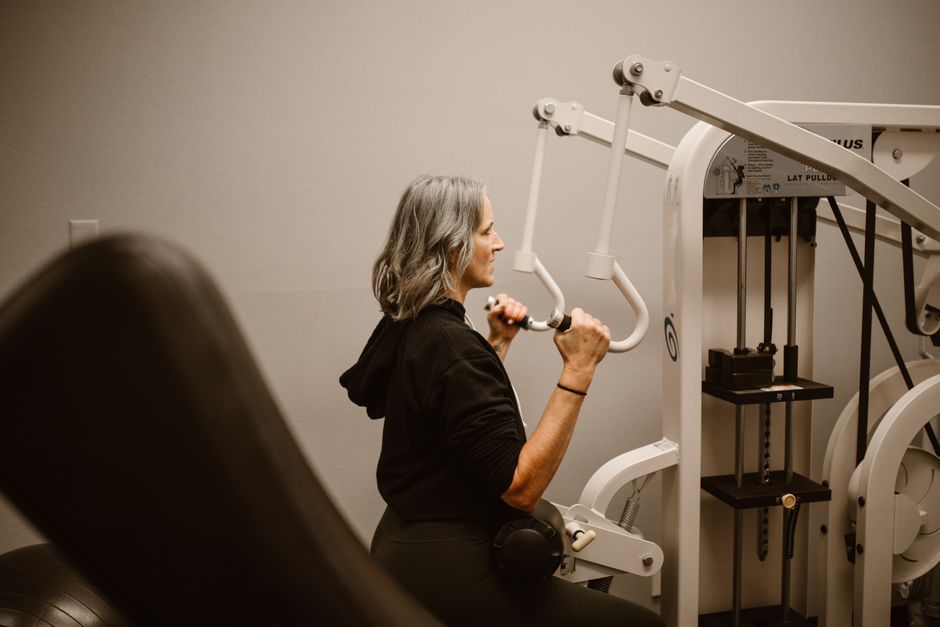
Physical inactivity weakens bones. Bone responds to mechanical stress. When you walk, run, or lift weights, your bones adapt by becoming denser. Weight-bearing exercise like walking, jogging, and resistance training stimulates bone formation. Lack of exercise removes this stimulus, and bone density declines.
Sedentary behavior carries additional risk. Prolonged bed rest or spaceflight causes rapid bone loss because bones feel no mechanical load. Astronauts lose bone density even with rigorous exercise programs in space.



What Medical Conditions and Medications Increase Risk?
Some health conditions directly cause bone loss. Rheumatoid arthritis involves chronic inflammation that accelerates bone breakdown. Inflammatory bowel disease impairs nutrient absorption, including calcium and vitamin D. Celiac disease damages the small intestine and prevents proper absorption of bone-building nutrients.
Eating disorders like anorexia nervosa severely compromise bone health. Low body weight reduces estrogen production, and poor nutrition deprives bones of necessary materials. Women with anorexia often develop osteoporosis at young ages.
Certain medications weaken bone as a side effect. Glucocorticoids like prednisone are the most common medication-related cause of osteoporosis. These drugs are used for asthma, arthritis, and autoimmune conditions. Long-term use at high doses increases fracture risk substantially.
Other medications that affect bone include some antiseizure drugs, certain breast cancer treatments that lower estrogen, and prostate cancer treatments that lower testosterone. Proton pump inhibitors used for acid reflux may also increase fracture risk when taken long term, though the mechanism is not fully understood.
How Do Age and Genetics Factor In?
Age is the single strongest risk factor for osteoporosis. Bone density peaks around age 30. From then on, bone loss is a normal part of aging. The rate of loss varies by person and depends on genetics, hormones, and lifestyle.
Genetics determine up to 80 percent of your peak bone mass. If your mother had osteoporosis or hip fractures, your risk is higher. Family history matters because it reflects inherited bone structure, bone density, and how your body processes vitamin D and calcium.
Body frame size also matters. People with small, thin frames have less bone reserve to draw from as they age. A smaller skeleton means less total bone mass, so the same percentage loss translates into weaker bones.
What Are the Early Warning Signs?
Osteoporosis is often called a silent disease because it causes no symptoms until a fracture occurs. Many people do not know they have it until they break a bone from a minor fall or bump.
Some signs can appear as the disease progresses. Height loss of more than 1.5 inches may indicate spinal compression fractures. A stooped posture or hump at the upper back can signal vertebral fractures. Back pain that comes on suddenly may be a spinal fracture.
Fractures from minimal trauma — like falling from standing height and breaking a wrist or hip — are classic signs of osteoporosis. These are called fragility fractures. They occur because the bone has become too weak to withstand normal forces.
How Is Osteoporosis Diagnosed and Prevented?
A bone density test called DXA (dual-energy X-ray absorptiometry) measures bone strength. The test produces a T-score that compares your bone density to that of a healthy young adult. A T-score of -1.0 or above is normal. Between -1.0 and -2.5 indicates osteopenia, or low bone mass. A T-score of -2.5 or below confirms osteoporosis.
The U.S. Preventive Services Task Force recommends bone density screening for all women starting at age 65. Women younger than 65 should be screened if they have risk factors. Screening recommendations for men are less established, but men over 70 or those with risk factors should discuss testing with their doctor.
Prevention focuses on the factors you can control. Adequate calcium and vitamin D intake matters at every age. Weight-bearing exercise and resistance training help maintain bone. Avoiding smoking and limiting alcohol reduce preventable bone loss.
For people already diagnosed with osteoporosis, medications can reduce fracture risk. Bisphosphonates like alendronate slow bone breakdown. Other options include medications that stimulate bone formation. These treatments are effective but come with side effects, so they require a doctor’s evaluation.
Can You Reverse Bone Loss Once It Starts?
You cannot fully reverse established osteoporosis, but you can slow or stop further loss. In some cases, treatment can modestly increase bone density. The goal shifts from prevention to reducing fracture risk.
Response to treatment varies. Some people gain bone density with medication and lifestyle changes. Others simply stop losing bone, which is still a successful outcome. The earlier treatment starts, the more bone you preserve.
No supplement or diet can rebuild significant bone mass once osteoporosis is advanced. Marketing claims about bone-building supplements often exceed what evidence supports. Calcium and vitamin D alone do not reverse osteoporosis in people with the condition. They work best as prevention or as part of a comprehensive treatment plan.
Frequently Asked Questions
Can osteoporosis be reversed with diet alone?
No. Diet alone cannot reverse established osteoporosis. Adequate calcium and vitamin D help prevent bone loss but cannot rebuild significant bone mass once osteoporosis is present.
What is the fastest way to lose bone density?
Hormone changes cause the fastest bone loss, especially the estrogen drop after menopause. Certain medications like high-dose corticosteroids and prolonged immobility also cause rapid bone loss.
Does walking prevent osteoporosis?
Walking helps but is not enough on its own. Weight-bearing exercise like walking stimulates bone, but resistance training with weights provides stronger stimulus for bone formation.
At what age should women get a bone density test?
Women should start screening at age 65. Women younger than 65 should be tested earlier if they have risk factors like early menopause, family history, or long-term steroid use.
