
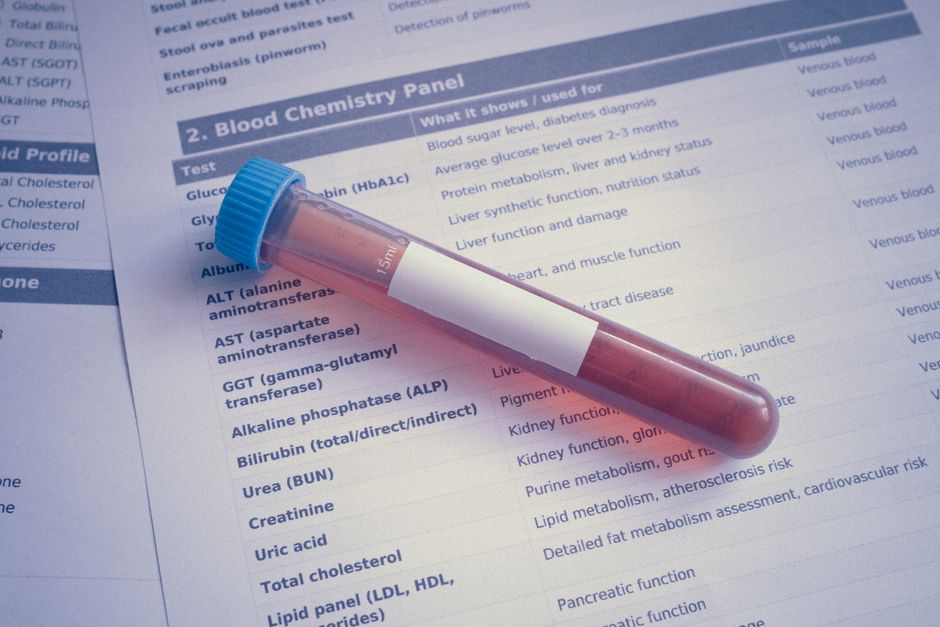
There is no single test that confirms irritable bowel syndrome. Instead, doctors diagnose IBS by matching your symptoms to a recognized set of clinical criteria, then ruling out other conditions that can look similar. The most widely used framework is the Rome criteria, which define IBS by the pattern and timing of abdominal pain and changes in bowel habits. Most people with typical IBS symptoms and no warning signs do not need extensive testing.
How Is IBS Diagnosed: The Tests and Criteria Used
Diagnosis rests on two pillars: symptom criteria and the exclusion of other diseases. The symptom side is handled by the Rome criteria. The exclusion side depends on your age, symptoms, and risk factors.
The Rome IV criteria define IBS as recurrent abdominal pain, on average at least one day per week in the last three months, associated with two or more of the following: pain related to passing stool, a change in how often you pass stool, or a change in the form of your stool. Symptoms should have started at least six months before diagnosis and been active in the past three months.
These criteria matter because they let doctors make a positive diagnosis based on pattern, rather than ordering test after test hoping something turns up. That shift in thinking is relatively recent. For decades, IBS was treated as a diagnosis of exclusion — meaning everything else had to be ruled out first. Current clinical guidance treats it as a diagnosis you can reach directly when symptoms fit, provided there are no red flags.
What Are the Rome Criteria for IBS?
The Rome criteria are an international consensus framework for diagnosing functional gut disorders — conditions where the gut looks normal on testing but does not function normally. They are updated periodically by a group of gastroenterology researchers and clinicians.
The current version classifies IBS into subtypes based on stool form:
- IBS with constipation (IBS-C): hard or lumpy stools more than a quarter of the time
- IBS with diarrhea (IBS-D): loose or watery stools more than a quarter of the time
- Mixed IBS (IBS-M): both patterns, each more than a quarter of the time
- Unclassified IBS: symptoms that do not fit the other three
Subtyping is not just labeling. It guides which treatment options a clinician might consider first. A constipation-predominant pattern calls for a different approach than a diarrhea-predominant one.
One clarification worth knowing: the Rome criteria are a clinical tool, not a lab result. They describe a symptom pattern. They do not measure anything in your blood or stool.
What Tests Do Doctors Usually Order?
In someone with typical IBS symptoms, no alarm features, and no family history of concerning disease, testing is often minimal. A physical exam and a careful history do much of the work.
Common initial tests include:
- Blood count (complete blood count): to check for anemia, which can point to bleeding or other disease
- Celiac disease screening: blood tests for tissue transglutaminase antibodies, since celiac disease can mimic IBS
- C-reactive protein or similar inflammatory markers: to look for signs of inflammation
- Stool testing: in some cases, to check for infection or inflammation
Celiac screening deserves emphasis. Celiac disease shares many symptoms with IBS, and some studies suggest a meaningful number of people diagnosed with IBS actually have celiac disease. Guidelines in many regions recommend screening for it before settling on an IBS diagnosis, particularly when diarrhea is prominent.
What doctors generally do not order for uncomplicated IBS: colonoscopy, CT scans, or extensive food allergy panels. These add cost and risk without improving diagnosis in typical cases.
When Is a Colonoscopy Needed?
Colonoscopy is not a routine part of IBS diagnosis. It is reserved for situations where there is a reason to look for something else.
Red flag features that typically prompt further evaluation include:
- Rectal bleeding or blood in the stool
- Unexplained weight loss
- Anemia on blood tests
- Fever
- Nighttime diarrhea that wakes you from sleep
- New symptoms starting after age 50
- A family history of colorectal cancer, inflammatory bowel disease, or celiac disease
- A sudden change in symptoms that is new and persistent
These features do not mean you have a serious disease. They mean the symptom pattern is no longer typical, and the standard approach of diagnosing IBS on symptoms alone may miss something. In those cases, further testing is appropriate.
The age threshold for colonoscopy as a cancer screening tool has shifted in recent years in the United States, with recommended starting ages lowered for average-risk adults. Because screening guidance changes, it is worth confirming current recommendations with your clinician rather than relying on a fixed number.
What Conditions Can Look Like IBS?
Several conditions produce symptoms that overlap with IBS, which is why the diagnostic process includes looking for them.
Inflammatory bowel disease (IBD) — Crohn’s disease and ulcerative colitis — can cause abdominal pain and changed bowel habits. Unlike IBS, IBD involves visible inflammation and often brings bleeding, weight loss, or symptoms that wake you at night. It is diagnosed through colonoscopy with biopsy, not symptom pattern alone.
Celiac disease causes bloating, diarrhea, and abdominal discomfort. It is diagnosed with blood antibody tests and confirmed by small bowel biopsy. It requires lifelong dietary change, so identifying it matters.
Small intestinal bacterial overgrowth (SIBO) is sometimes raised as a cause of IBS-like symptoms. The evidence here is genuinely mixed. Testing methods are imperfect, and how often SIBO truly underlies IBS symptoms remains debated among specialists. Some clinicians test and treat for it; others do not consider the evidence strong enough to support routine testing.
Other possibilities include thyroid dysfunction, lactose intolerance, bile acid diarrhea, and, in older adults, colorectal cancer. Each has its own testing path.
What About Food Intolerance and Breath Tests?
Breath tests for lactose or fructose intolerance are sometimes used when a specific sugar seems to trigger symptoms. Their reliability varies, and results do not always match symptoms. They are not part of standard IBS diagnosis.
Hydrogen breath testing for SIBO is available but has notable limitations in accuracy. No clinical evidence currently confirms that routine breath testing improves IBS outcomes. Some gastroenterologists use it selectively; many do not.
Food allergy testing panels are not recommended for IBS. True food allergies involve immune reactions that produce distinct symptoms, and broad IgG “food sensitivity” panels are not validated for diagnosing IBS or guiding treatment.
Do You Need Testing Before Starting Treatment?
For many people with typical symptoms, treatment can begin after a basic evaluation. That might include dietary changes, fiber adjustment, or medication aimed at the dominant symptom.
If symptoms do not respond, or if new features appear, the diagnostic picture should be revisited. A lack of response is itself information.
It is also fair to say that IBS diagnosis is not always a one-visit process. Some people need follow-up and adjustment. The symptom criteria provide a starting framework, not a final answer carved in stone.
What the Diagnosis Does and Does Not Tell You
An IBS diagnosis confirms a recognized functional gut disorder. It does not mean your symptoms are imagined, and it does not mean nothing can be done. It also does not mean every future symptom should be attributed to IBS without thought — new or changing symptoms deserve a fresh look.
The diagnosis is a pattern recognition, backed by the exclusion of conditions that would change treatment. That is a reasonable and well-established approach. It is not a guess.
Frequently Asked Questions
Can IBS be diagnosed with a blood test?
No. There is no blood test that confirms IBS. Blood tests are used to rule out other conditions such as celiac disease or anemia.
What are the Rome IV criteria for IBS?
Rome IV defines IBS as abdominal pain at least one day per week in the last three months, linked to stool frequency or form, with symptoms starting at least six months earlier. It is a symptom-based framework, not a lab test.
Do you need a colonoscopy to diagnose IBS?
Not usually. Colonoscopy is reserved for people with red flags such as bleeding, weight loss, anemia, or new symptoms after age 50.
How long does it take to get an IBS diagnosis?
There is no fixed timeline. Some people are diagnosed after a single visit when symptoms clearly fit the criteria; others need follow-up testing to exclude other conditions.
