
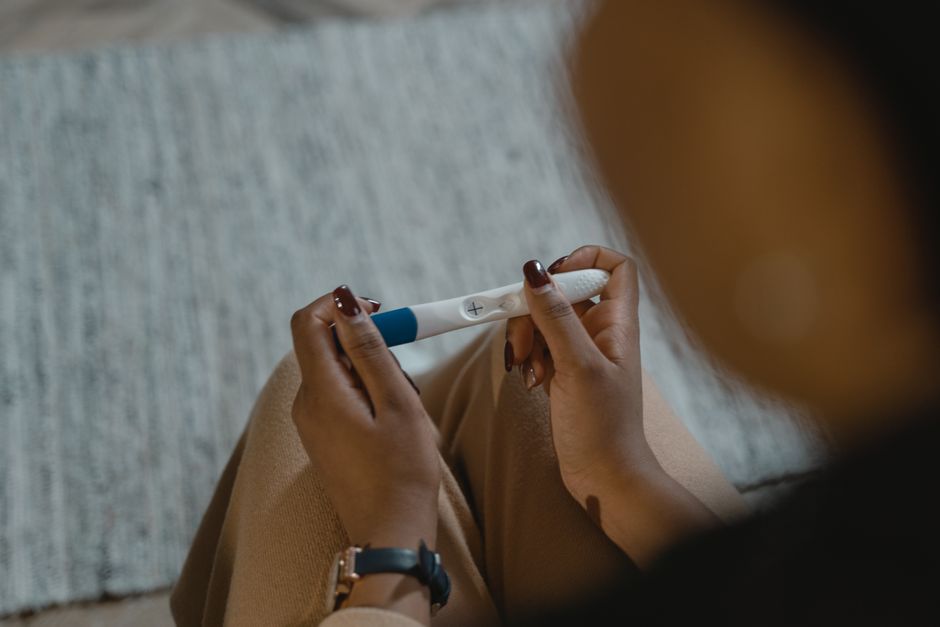
Fertility testing looks at how the reproductive system works in both partners. For women, it checks ovulation, egg supply, and the health of the uterus and fallopian tubes. For men, it focuses on sperm count, movement, and shape. Most doctors start with a medical history, a physical exam, and basic blood work before moving to more detailed tests. The goal is to find any block or problem that makes conception harder than it should be.
When Should You See A Doctor About Fertility?
Most couples try to conceive for a year without success before seeking help. If the woman is 35 or older, doctors usually recommend testing after six months of trying. This is because egg quality and quantity decline with age, and waiting longer can reduce treatment options.
See a doctor sooner if you have known risk factors. Irregular or absent periods, a history of pelvic infection, prior abdominal surgery, or conditions like endometriosis or polycystic ovary syndrome (PCOS) all warrant earlier evaluation. For men, a history of testicular injury, hernia repair, or prior chemotherapy are reasons to test early.
What Happens At The First Fertility Appointment?
The first visit is mostly information gathering. The doctor takes a detailed history from both partners. This includes how long you have been trying, frequency of intercourse, past pregnancies, surgeries, medications, and lifestyle factors like smoking, alcohol, and exercise habits.
A physical exam may follow. For women, this checks overall health and may include a pelvic exam. For men, the doctor examines the genitals for varicoceles (enlarged veins in the scrotum) or other structural issues. Neither partner should expect invasive testing on day one.
Both partners will likely have blood drawn. Women get hormone panels checked at specific points in their cycle. Men get baseline hormone tests including testosterone and follicle-stimulating hormone (FSH). These results guide which tests come next.
How Is Female Fertility Tested?
Female fertility testing follows a logical sequence. It starts with confirming ovulation, then moves to evaluating egg supply, and finally checks the physical structures involved in conception.
Ovulation Testing
Ovulation is the release of an egg from the ovary. A simple blood test measures progesterone about seven days before the expected period. A normal level confirms ovulation occurred that cycle. At-home ovulation predictor kits detect the luteinizing hormone (LH) surge that happens 24 to 36 hours before release.
Regular menstrual cycles are a strong sign of ovulation. Cycles between 21 and 35 days typically indicate regular ovulation. But regular cycles do not guarantee egg quality or that the egg can travel successfully.
Ovarian Reserve Testing
Ovarian reserve refers to the quantity of eggs remaining in the ovaries. This is not a measure of fertility potential per egg, but it helps predict how well the ovaries will respond to fertility medications.
The most common tests include:
- Anti-Müllerian hormone (AMH): A blood test that can be done any day of the cycle. It reflects the pool of small follicles in the ovaries.
- Follicle-stimulating hormone (FSH): Measured on day 2 or 3 of the menstrual cycle. High levels suggest the brain is working harder to stimulate the ovaries.
- Antral follicle count (AFC): An ultrasound performed early in the cycle counts visible follicles in each ovary.
These tests give a snapshot, not a guarantee. A low AMH does not mean you cannot conceive. It means the egg supply is lower than average for your age.
Imaging Of The Uterus And Fallopian Tubes
The most common structural test is a hysterosalpingogram (HSG). A radiologist injects contrast dye through the cervix while taking X-rays. The dye outlines the uterine cavity and must flow through both fallopian tubes. Blocked tubes prevent sperm from reaching the egg and are a common cause of female infertility.
An HSG can also detect uterine abnormalities like fibroids, polyps, or scar tissue. Some women find the procedure uncomfortable, but it takes less than 30 minutes.
Ultrasound is used throughout fertility testing. A transvaginal ultrasound gives detailed images of the ovaries, uterus, and endometrial lining. It can identify ovarian cysts, fibroids, and signs of endometriosis.
How Is Male Fertility Tested?
Male fertility testing is simpler and less invasive than female testing. The cornerstone is a semen analysis.
Semen Analysis
A semen sample is collected by masturbation into a sterile cup. Men should abstain from ejaculation for two to five days before the test. The sample must be delivered to the lab within one hour.
The lab evaluates three main parameters:
- Sperm count: The total number of sperm in the sample. Normal is 15 million sperm per milliliter or more.
- Motility: The percentage of sperm moving forward. At least 40 percent should be moving.
- Morphology: The shape and structure of sperm. At least 4 percent should have a normal shape.
One abnormal result does not mean permanent infertility. Sperm parameters fluctuate with illness, stress, medications, and recent ejaculation. Doctors repeat the test after four to six weeks before drawing conclusions.
Hormone Testing For Men
If the semen analysis shows a very low count or no sperm, blood tests check testosterone, FSH, and LH. These hormones control sperm production. Abnormal levels point to a problem in the testicles or in the pituitary gland that signals them.
Genetic Testing And Other Male Tests
Some men with very low sperm counts have a genetic cause. A blood test can check for missing pieces of the Y chromosome or mutations in the cystic fibrosis gene. These findings matter for the couple because they can affect the health of future children.
A scrotal ultrasound may check for varicoceles or blockages in the tubes that carry sperm. In rare cases, a testicular biopsy is needed to determine if sperm is being produced at all.
What Tests Are Done For Unexplained Infertility?
Around 15 percent of couples complete all standard testing and receive no clear diagnosis. This is called unexplained infertility. It does not mean nothing is wrong. It means current tests cannot identify the problem.
In these cases, doctors may suggest additional testing. A laparoscopy is a surgical procedure where a camera enters the abdomen through a small incision. It can detect endometriosis or pelvic adhesions that standard imaging misses. This is not a first-line test because it requires anesthesia and carries surgical risk.
Some clinics offer expanded genetic carrier screening for both partners. This checks for mutations that could cause inherited diseases in offspring. While useful information, carrier screening does not explain why conception is failing.
How Long Does Fertility Testing Take?
Basic testing for both partners typically takes one to two menstrual cycles. The woman’s cycle timing drives the schedule. Blood work happens on specific days, the HSG must occur after the period ends but before ovulation, and the semen analysis can happen any day.
Complete testing for both partners usually finishes within three months. If all results come back normal, the couple receives a diagnosis of unexplained infertility and can discuss treatment options.
Faster timelines are possible if the woman has regular cycles and can schedule appointments immediately. Slower timelines happen when cycles are irregular or when abnormal results require repeat testing.
What Do Fertility Test Results Mean?
Results guide the conversation about treatment. Normal results do not guarantee pregnancy. They simply rule out the most common identifiable problems. Abnormal results point to specific treatments that may help.
For example, blocked fallopian tubes may require in vitro fertilization (IVF) because sperm cannot reach the egg naturally. Low sperm count may be treated with intrauterine insemination (IUI) or IVF with intracytoplasmic sperm injection (ICSI).
Some results indicate a problem that cannot be fixed. Diminished ovarian reserve means fewer eggs remain, but it does not predict exactly when menopause will occur. The focus shifts to timing of treatment rather than cause.
No single test predicts the future perfectly. Fertility testing provides a snapshot of current function. It helps doctors and couples make informed decisions about whether to try longer, use medication, or pursue assisted reproduction.
Frequently Asked Questions
Does fertility testing hurt?
Most tests are painless or cause mild discomfort. The HSG can cause cramping similar to a period for a few minutes.
Can I get fertility testing done on the NHS or does it cost money?
Coverage varies by location and insurance plan. In the United States, many insurance plans cover diagnostic testing but not all cover treatment.
Should both partners be tested at the same time?
Yes. Testing both partners simultaneously saves time and gives the full picture faster than testing one person first.
What if all fertility tests come back normal?
This is called unexplained infertility. About 15 percent of couples receive this diagnosis, and treatment options like IUI or IVF are still available.
