
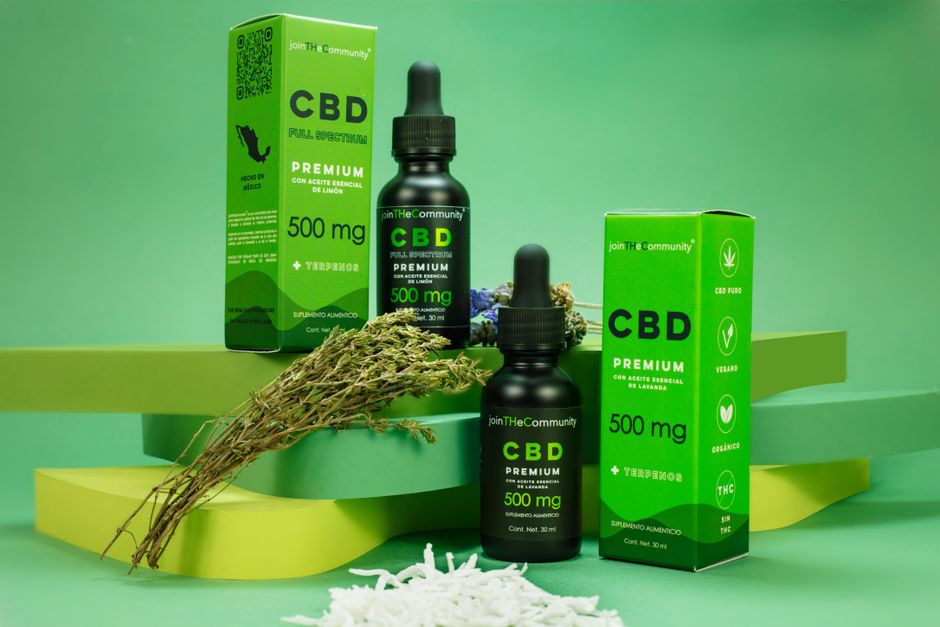
CBD oil starts with a hemp plant and ends in a small bottle, but the path between those two points involves several distinct steps that shape what you actually get. Hemp is grown and harvested for its flowers and leaves, where CBD concentrates. Those plant materials are dried, then CBD is pulled out using a solvent or a mechanical press. The raw extract is filtered and refined to remove unwanted compounds. Finally, it is mixed with a carrier oil, tested for purity and potency, and bottled. Each step changes the final product, which is why two bottles labeled “CBD oil” can differ enormously.
How Is CBD Oil Made From Hemp To Final Product?
The process moves through five broad stages: cultivation, harvesting and drying, extraction, refining, and formulation. Understanding each stage explains why CBD products vary so much in quality and price.
It begins with the plant. Hemp (Cannabis sativa) is a variety of cannabis bred to contain very low levels of THC, the compound responsible for the psychoactive “high.” In the United States, hemp is legally defined as cannabis containing no more than 0.3% THC on a dry weight basis. CBD is one of many cannabinoids the plant produces, and it is most concentrated in the flowers and surrounding leaves rather than the stalks or seeds.
Farmers harvest the plant when cannabinoid levels peak, which is generally late in the flowering cycle. Timing matters because cannabinoid content shifts as the plant matures. After harvest, the plant material is dried to reduce moisture, which helps prevent mold and makes extraction more efficient. Drying conditions affect the final chemistry, so this is not a trivial step.
Once dried, the material goes to extraction. This is where the CBD is separated from the plant matter. The result is a thick, dark, crude extract that contains CBD along with other cannabinoids, terpenes, waxes, chlorophyll, and fats.
That crude extract is then refined. Refining removes unwanted compounds and can isolate CBD to varying degrees. The more refined the extract, the closer it gets to pure CBD and the further it moves from the plant’s natural mix of compounds.
The final stage is formulation. The refined CBD is dissolved in a carrier oil, most often a food-grade oil such as MCT oil (derived from coconut), olive oil, or hemp seed oil. This step sets the concentration and makes the product easier to measure and take. The finished oil is then tested and packaged.
What Is the Difference Between Full-Spectrum, Broad-Spectrum, and CBD Isolate?
These three terms describe how much of the original plant chemistry survives the refining step. They are among the most important labels to understand because they determine what is actually in the bottle.
Full-spectrum CBD keeps a wide range of the plant’s natural compounds, including other cannabinoids, terpenes, and trace amounts of THC. Broad-spectrum is similar but with THC removed or reduced to undetectable levels. Isolate is CBD alone, stripped of essentially everything else.
Some manufacturers claim that full-spectrum products work better than isolate because the compounds act together, an idea often called the “entourage effect.” This concept is plausible based on how cannabinoids and terpenes interact with the body’s endocannabinoid system, but it is not firmly established in human clinical trials. Some studies suggest differences between formulations, while others find little. The honest position is that the evidence is mixed, and more research is needed before anyone can state that one type is clearly more effective than another.
What is well established is that full-spectrum products can contain THC. For most people the amount is very small, but it can accumulate with heavy use and may show up on a drug test. Anyone who needs to avoid THC entirely, whether for work, legal, or personal reasons, should look for broad-spectrum or isolate products and check the lab report.
What Extraction Methods Are Used to Make CBD Oil?
Extraction is the step that pulls CBD out of the plant, and the method used affects purity, cost, and safety. There are several approaches, and they are not equal.
CO2 extraction uses pressurized carbon dioxide to separate cannabinoids from plant material. It is widely used in the commercial industry because it can be tuned to target specific compounds and leaves little unwanted residue. It requires expensive equipment, which raises cost.
Ethanol extraction uses food-grade alcohol as a solvent. It is efficient and relatively inexpensive, but it can also pull out more chlorophyll, waxes, and sugars, requiring additional cleanup. When done properly the ethanol is removed from the final product.
Hydrocarbon extraction uses solvents such as butane or propane. This method is common in some cannabis markets but requires careful purging to remove all solvent residue. Poorly done, it can leave harmful traces.
Olive oil or other oil extraction is a simpler method that soaks plant material in oil. It is sometimes used for small-scale or homemade products. It is less efficient at concentrating CBD and produces a weaker, less predictable result.
The method matters for safety. Any solvent-based extraction must remove the solvent before the product reaches a consumer. This is one reason third-party lab testing is important, since it can confirm that residual solvents are below safe limits.
Why Does Lab Testing Matter for CBD Oil?
Lab testing is the main way to know what is actually in a CBD product, because the label alone does not guarantee it. Independent testing checks both what should be there and what should not.
A thorough lab report, often called a Certificate of Analysis, typically covers several things:
- Cannabinoid content — how much CBD and THC the product actually contains, so you can compare it to the label.
- Residual solvents — whether any extraction chemicals remain.
- Pesticides and heavy metals — contaminants that can come from the growing or processing stages.
- Microbials — mold, bacteria, or other organisms that can grow if the plant was not dried or stored properly.
Testing is important because the CBD market has historically had accuracy problems. Some products have been found to contain far less CBD than their labels claim, and some have contained more THC than allowed. Third-party testing, meaning testing done by a lab not owned by the manufacturer, is generally considered more trustworthy than in-house testing.
One non-obvious point: a lab report is only as good as the batch it covers. A report for one batch does not guarantee the next batch is identical. Reputable companies test each batch and make the results available.
Does the Carrier Oil and Formulation Affect the Final Product?
Yes, and this is an often overlooked part of how CBD oil is made. The carrier oil is not just filler. It determines how the CBD is delivered and how well it may be absorbed.
CBD is a fat-soluble compound, meaning it dissolves in oils rather than water. This is why it is mixed with a carrier oil in the first place. Common carriers include MCT oil, which is derived from coconut or palm, along with olive oil and hemp seed oil. Note that hemp seed oil does not naturally contain CBD; it is a carrier, not a source of the compound.
How the body absorbs CBD depends on how it is taken. When CBD oil is swallowed, it passes through the digestive system and liver, which reduces how much reaches the bloodstream. When it is held under the tongue, some is absorbed directly into the bloodstream, bypassing that first pass through the liver. This difference is one reason the same dose can feel different depending on how it is used.
Formulation can also include flavorings or additional ingredients, but these do not change the CBD itself. What matters most is the concentration, the type of extract, and the carrier.
What Should You Look For in a Finished CBD Oil?
A finished CBD oil is the sum of every choice made along the way, from the farm to the bottle. Because the industry is unevenly regulated, the buyer carries much of the responsibility for checking quality.
A few things are worth examining on any product:
- Third-party lab results that are current and match the batch.
- The type of extract — full-spectrum, broad-spectrum, or isolate — and whether THC content is clearly stated.
- The actual CBD amount per serving, not just the total in the bottle, since a large bottle can still be low-strength per dose.
- Clear sourcing information about where the hemp was grown.
It is also worth being realistic about what CBD can and cannot do. CBD is not a proven cure for any condition, and it is not a substitute for medical treatment. Some research suggests it may help with certain conditions such as specific forms of epilepsy, where a prescription CBD product has been approved by the FDA. For most other uses, the evidence is limited or mixed. Anyone considering CBD for a health concern should talk with a healthcare provider, especially if they take other medications, since CBD can interact with certain drugs.
Frequently Asked Questions
How is CBD oil extracted from hemp?
CBD is extracted using methods such as CO2, ethanol, or hydrocarbon solvents, or by soaking plant material in oil. The method affects purity and cost, and any solvent must be fully removed before the product is sold.
What is the difference between full-spectrum and CBD isolate?
Full-spectrum CBD keeps many of the plant’s natural compounds including trace THC, while isolate is CBD alone. Broad-spectrum falls in between, keeping other compounds but removing THC.
Does CBD oil contain THC?
Full-spectrum CBD oil can contain small amounts of THC, while isolate and most broad-spectrum products contain little or none. Check the lab report if you need to avoid THC entirely.
Why is third-party lab testing important for CBD oil?
It confirms how much CBD and THC the product actually contains and checks for contaminants like pesticides, heavy metals, and leftover solvents. Labels alone have not always matched what is in the bottle.
