
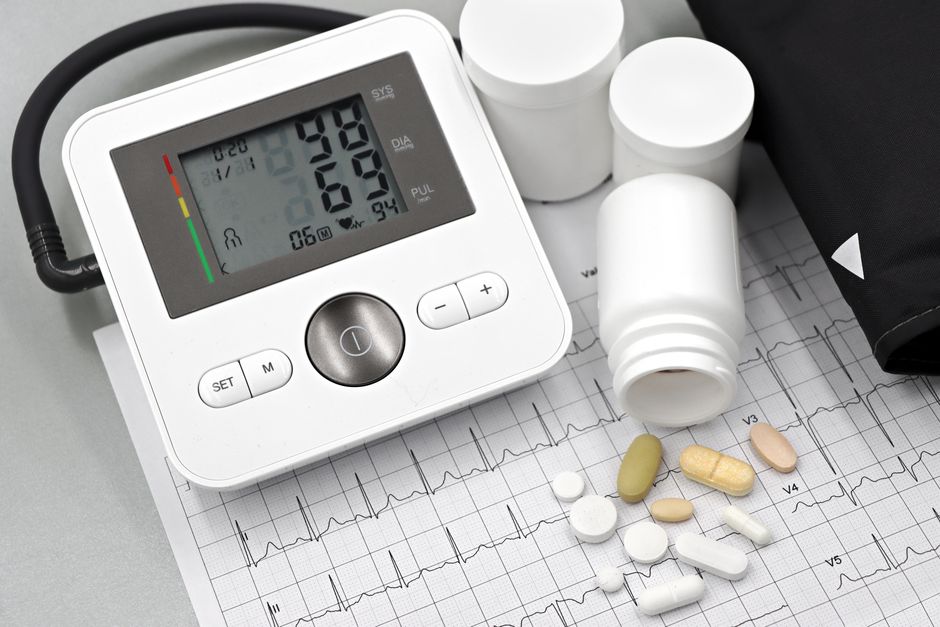
Angina is chest pain or discomfort that happens when the heart muscle does not get enough oxygen-rich blood. Diagnosing it usually starts with a detailed history and physical exam, then moves to tests like an electrocardiogram (ECG), stress tests, and sometimes imaging or blood work. No single test does the whole job — doctors combine results to confirm whether the symptoms come from the heart and how serious the underlying problem may be.
What Is Angina and Why Does Diagnosis Matter?
Angina is not a disease on its own. It is a symptom, most often caused by coronary artery disease — narrowing of the arteries that supply blood to the heart muscle.
There are two main types. Stable angina follows a predictable pattern: it comes on with exertion or stress and eases with rest or medication. Unstable angina is new, worsening, or occurs at rest, and it is considered a medical emergency because it can signal an impending heart attack.
Getting the diagnosis right matters for two reasons. First, not all chest pain is cardiac. Acid reflux, muscle strain, anxiety, and other conditions can produce similar sensations. Second, even when the pain is cardiac, the treatment depends on how severe the blockages are and how well the heart responds to stress.
That is why doctors rarely rely on one test alone. Each test answers a different question.
How Is Angina Diagnosed With ECG, Stress Tests, and More?
An ECG records the heart’s electrical activity through electrodes placed on the chest, arms, and legs. It is quick, painless, and often the first test ordered when someone reports chest pain.
A resting ECG can reveal signs of a prior heart attack, abnormal heart rhythms, or changes in the heart’s electrical signals that suggest reduced blood flow. But a resting ECG is often normal in people with stable angina, because the heart is not under stress at that moment. A normal ECG does not rule out coronary artery disease.
That limitation is exactly why stress testing exists. If the heart’s blood supply is adequate at rest but insufficient during exertion, the problem only shows up when the heart is working harder.
What Does a Stress Test Show That an ECG Cannot?
A stress test makes the heart work harder — usually through exercise on a treadmill or stationary bike — while monitoring the ECG, heart rate, and blood pressure. Some patients who cannot exercise are given a medication that simulates the effect of exercise on the heart.
During the test, doctors look for specific changes on the ECG that indicate the heart muscle is not getting enough blood under stress. They also track whether symptoms like chest pain, shortness of breath, or dizziness appear, and at what workload.
There are several forms of stress testing:
- Exercise ECG stress test: The standard version. The patient walks or pedals while heart activity is recorded.
- Stress echocardiography: Ultrasound images of the heart are taken before and after stress to detect areas of the muscle that do not contract normally.
- Nuclear stress test: A small amount of radioactive tracer is used to show blood flow to the heart muscle at rest and under stress.
- Pharmacologic stress test: Used when a patient cannot exercise. A drug increases heart rate or blood flow to mimic exercise.
Each approach has strengths and limitations. Exercise ECG testing is widely available and inexpensive, but it is less accurate in certain groups, including women and people with certain baseline ECG abnormalities. Imaging-based stress tests tend to be more sensitive but cost more and take longer.
No stress test is perfect. A normal result lowers the likelihood of significant coronary disease but does not eliminate it.




What Other Tests Help Confirm or Rule Out Angina?
Beyond ECG and stress testing, doctors may use several other tools depending on the clinical picture.
Blood tests can check for markers of heart muscle damage, such as troponin, which is used primarily to evaluate for a heart attack rather than stable angina. They can also identify conditions that worsen angina, like anemia or an underactive thyroid.
Coronary angiography is an invasive procedure that uses contrast dye and X-ray imaging to show the actual arteries. It is often considered when stress test results are abnormal, when symptoms persist despite treatment, or when the doctor needs a precise map of blockages before deciding on procedures like stenting or bypass surgery.
Coronary CT angiography is a non-invasive imaging test that can show plaque buildup in the arteries. It is increasingly used in certain patients with stable chest pain, though its role continues to evolve and it is not appropriate for everyone.
Ambulatory ECG monitoring may be used when symptoms are intermittent and a standard ECG does not capture them. A portable monitor records the heart’s rhythm over a longer period.
The choice of tests depends on the patient’s symptoms, risk factors, other health conditions, and what information is still missing after the initial evaluation.
How Do Doctors Decide Which Tests to Order?
There is no single pathway that fits every patient. Doctors weigh several factors:
- How typical the chest pain is for angina
- Whether the patient has risk factors such as diabetes, high blood pressure, high cholesterol, smoking history, or a family history of early heart disease
- Whether the patient can exercise
- Whether the resting ECG is interpretable
- How urgent the symptoms appear
Someone with classic exertional chest pain and multiple risk factors may go straight to a stress test. Someone with atypical symptoms and low risk may need only a careful history and resting ECG first.
Patients with unstable angina — pain at rest, new severe pain, or rapidly worsening symptoms — are typically evaluated urgently and may go directly to angiography rather than a standard stress test.
This is where clinical judgment matters more than any algorithm. Two patients with similar symptoms can reasonably receive different test sequences.
What Do the Results Actually Mean?
A positive stress test suggests that the heart is not getting enough blood under stress, but it does not show exactly where or how severe the blockage is. That usually requires angiography.
A negative stress test makes significant coronary artery disease less likely, but it is not a guarantee. False negatives occur, and some patients have blockages that do not show up on standard testing.
An inconclusive result is also possible. This can happen when a patient cannot reach an adequate heart rate during exercise, when the ECG is difficult to interpret, or when symptoms during the test do not match the ECG findings.
Results are always interpreted alongside the patient’s history, risk factors, and other findings. A test result in isolation rarely tells the full story.
Can Angina Be Diagnosed Without a Stress Test?
Yes, in some cases. A clear history of predictable chest pain that comes on with exertion and resolves with rest, combined with risk factors and ECG findings, can be enough for a working diagnosis and treatment plan.
However, stress testing is commonly used to confirm the diagnosis, assess severity, and guide treatment decisions. For patients who cannot undergo stress testing or when the diagnosis remains unclear, coronary CT angiography or other imaging may be used instead.
Some patients are diagnosed and treated based on symptoms alone, particularly when the clinical picture is straightforward and the patient responds well to medication. This is more common in stable, low-risk situations.
What Should You Expect During the Diagnostic Process?
The process usually unfolds over days to weeks for stable symptoms. It may happen within hours for unstable symptoms.
Most people start with a medical history, physical exam, and resting ECG. From there, the doctor decides whether stress testing, imaging, or referral to a cardiologist is needed.
If you are being evaluated for angina, bring a clear description of your symptoms: when they occur, what brings them on, how long they last, and what makes them better. That information often matters as much as any test result.
Frequently Asked Questions
Can an ECG detect angina?
An ECG can show signs of reduced blood flow or prior heart damage, but it is often normal in people with stable angina when they are at rest. A normal resting ECG does not rule out coronary artery disease.
How long does a stress test take?
The exercise portion typically lasts until the patient reaches a target heart rate or develops symptoms, which is often several minutes. The full appointment, including preparation and recovery, usually takes about an hour.
Is a stress test painful?
The test itself is not painful, though it involves physical exertion that may cause shortness of breath or chest discomfort. If significant symptoms or ECG changes appear, the test is stopped promptly.
What happens if my stress test is abnormal?
An abnormal result usually leads to further testing, most often coronary angiography, to identify the location and severity of any blockages. Treatment options are then discussed based on those findings.
