
Blood flow responds to how you use your body, what you eat, and how well your blood vessels are functioning. The most reliable ways to increase it are regular aerobic activity, staying well hydrated, eating a diet that supports healthy arteries, avoiding tobacco, and managing conditions like high blood pressure and diabetes. None of these work overnight. Each one influences circulation through a different mechanism, and the effects build over weeks and months.
Circulation is not a single switch you flip. It is a system of vessels, pumps, and pressure gradients that responds to demand. When muscles work harder, they need more oxygen, and the body redirects blood toward them. When arteries stiffen or narrow, that system has to work against resistance. Understanding both sides of that equation is what makes any approach to improving blood flow make sense.
How Increase Blood Flow Through Exercise?
Exercise is the most studied and most reliable way to improve circulation. When you move, your muscles demand more oxygen, and blood vessels in those muscles widen to deliver it. This widening is called vasodilation, and it happens within seconds of starting to move.
The longer-term effects are what matter most. Regular aerobic exercise — walking briskly, cycling, swimming, jogging — improves the ability of the endothelium to release nitric oxide. The endothelium is the thin lining inside every blood vessel. Nitric oxide signals the vessel to relax and widen. Better endothelial function means better blood flow at rest, not just during exercise.
Research consistently shows that people who exercise regularly have better vascular function than those who do not. The effect appears across age groups, including in older adults. Even moderate activity like a 30-minute walk most days of the week produces measurable improvements in how well blood vessels dilate.
Resistance training also contributes. Lifting weights improves blood flow to the muscles being worked and supports the health of the vessel lining over time. The combination of aerobic and resistance exercise tends to produce broader benefits than either alone.
One clarification that often gets lost: the goal is not to push to exhaustion. Consistent moderate effort produces better vascular adaptation than occasional intense sessions. The body responds to repeated, sustainable demand.
What Foods and Drinks Support Healthy Circulation?
Diet influences blood flow mainly through its effect on blood vessels, blood pressure, and blood composition. No single food increases circulation in a meaningful way on its own. The pattern of eating matters more than any one ingredient.
Diets rich in vegetables, fruits, whole grains, legumes, nuts, and fatty fish are associated with better vascular function and lower rates of cardiovascular disease. This is one of the most consistently supported findings in nutrition research. The Mediterranean-style eating pattern is the most studied example.
Several specific components have evidence behind them:
- Nitrates from vegetables. Beets, spinach, arugula, and other leafy greens contain dietary nitrates. The body converts these to nitric oxide, which relaxes blood vessels. Some studies show modest improvements in blood pressure and exercise efficiency after consuming nitrate-rich foods or beet juice. The effects are real but generally small.
- Omega-3 fatty acids. Found in fatty fish like salmon, sardines, and mackerel, omega-3s support vessel function and are linked to lower cardiovascular risk in large population studies.
- Potassium-rich foods. Bananas, beans, potatoes, and leafy greens help the body balance sodium, which supports healthy blood pressure. Blood pressure and blood flow are directly connected.
- Water. Dehydration thickens the blood and makes the heart work harder. Drinking enough water keeps blood volume in a normal range, which supports steady circulation.
What to limit matters as much as what to add. High sodium intake raises blood pressure in many people. Diets heavy in saturated fat and refined carbohydrates contribute to artery stiffness over time. Alcohol in excess raises blood pressure and puts stress on the heart.
Caffeine deserves a brief note. It temporarily narrows some blood vessels and raises blood pressure slightly in the short term, but habitual coffee drinking is not associated with worse cardiovascular outcomes in most large studies. The relationship is not as simple as “caffeine is bad for circulation.”
Does Water Intake Affect Blood Flow?
Blood is roughly half plasma, which is mostly water. When you are well hydrated, blood volume stays in a normal range, and the heart can pump it efficiently. When you are dehydrated, blood volume drops, and the body compensates by constricting blood vessels and raising heart rate.
Mild dehydration — even a small percentage of body weight lost as fluid — can make the heart work harder to maintain blood pressure and blood flow, particularly during exercise or in heat. This is well established in physiology research.
How much water a person needs varies with body size, activity level, climate, and health status. General guidance from health authorities is often framed as drinking fluids throughout the day and using thirst as a guide, with more needed during exercise and in hot weather. There is no universal number that fits everyone, and drinking excessive amounts of water can be harmful.
How Do Blood Pressure and Cholesterol Affect Circulation?
High blood pressure and high cholesterol are two of the most significant factors affecting blood flow, and both are often silent. They damage blood vessels gradually, over years, without obvious symptoms.
High blood pressure puts constant mechanical stress on artery walls. Over time, this stiffens the arteries and narrows the space blood can move through. The relationship is direct: higher pressure means more resistance and less efficient flow.
Cholesterol, particularly LDL cholesterol, contributes to plaque buildup inside arteries. Plaque narrows the vessel opening and reduces blood flow to organs and tissues. When plaque ruptures, it can trigger a clot that blocks flow entirely — the mechanism behind most heart attacks and many strokes.
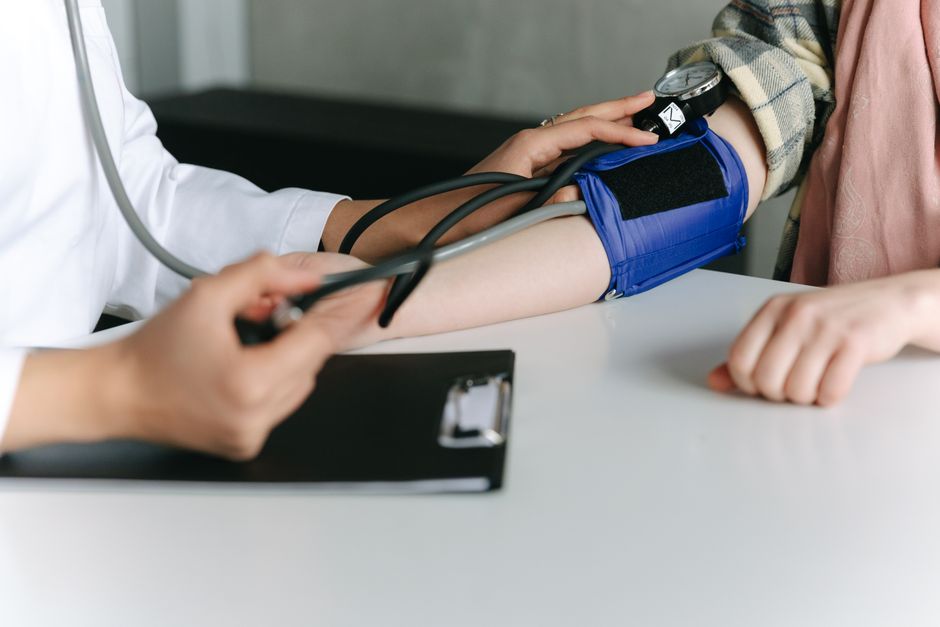
Managing these conditions is one of the most effective ways to support healthy circulation. That typically involves diet, exercise, weight management, and — when lifestyle changes are not enough — medication prescribed by a clinician. Blood pressure and cholesterol are measured with simple tests, and knowing your numbers is a reasonable starting point for anyone concerned about circulation.
| Measure | Normal Range | What It Means for Circulation |
|---|---|---|
| Blood pressure | Below 120/80 mmHg | Lower pressure means less strain on artery walls |
| Fasting glucose | 70–99 mg/dL | Normal glucose supports healthy blood vessels |
| Resting heart rate | 60–100 bpm | Reflects how efficiently the heart pumps |
What Habits Reduce Blood Flow?
Smoking is the single most damaging habit for circulation. The chemicals in tobacco smoke damage the endothelium, cause blood vessels to constrict, and make blood more likely to clot. Smoking is a major cause of peripheral artery disease, a condition where narrowed arteries reduce blood flow to the limbs. The good news is that blood vessel function begins to improve within weeks of quitting, and the risk of cardiovascular events drops steadily over time.
Sitting for long stretches without moving is another factor. Prolonged sitting reduces blood flow to the legs and is associated with higher cardiovascular risk, even in people who exercise. Breaking up sitting with short movement breaks — standing, walking, stretching — helps maintain circulation throughout the day.
Chronic stress raises levels of hormones like cortisol and adrenaline, which can constrict blood vessels and raise blood pressure. The evidence on stress and long-term cardiovascular outcomes is complex, but the short-term effects on blood vessel function are measurable. Sleep matters too. Poor sleep and sleep disorders like sleep apnea are linked to higher blood pressure and worse vascular health.
Can Supplements Improve Circulation?
Most supplements marketed for circulation have limited or no strong clinical evidence behind them. This is one of the areas where marketing moves faster than science.
Some supplements have modest evidence in specific contexts. Beetroot extract, which delivers dietary nitrates, has shown small improvements in blood pressure and exercise performance in some studies. Omega-3 supplements have been studied extensively for cardiovascular health, though their effect on circulation specifically is indirect. Ginkgo biloba has been studied for peripheral circulation with mixed results.
Many other products — cayenne supplements, horse chestnut, L-arginine, and various “circulation blends” — either lack large human trials or show inconsistent results. The evidence is limited. Anyone considering a supplement should talk to a clinician first, particularly if they take prescription medications or have a cardiovascular condition. Supplements can interact with blood pressure medications and blood thinners.
No supplement has been shown to substitute for exercise, diet, and blood pressure management when it comes to circulation.
When Should You See a Doctor About Poor Circulation?
Some signs of reduced blood flow warrant medical evaluation. These include cold hands or feet that do not warm up, numbness or tingling in the limbs, leg pain that occurs with walking and improves with rest, slow-healing wounds on the feet or legs, and skin color changes in the extremities.
These symptoms can have several causes, and they do not automatically mean a circulation disorder. That is exactly why a clinician should evaluate them rather than self-diagnosing or self-treating.
Chest pain, sudden shortness of breath, or sudden weakness or numbness on one side of the body are emergency symptoms. They may indicate a heart attack or stroke and require immediate medical attention.
Frequently Asked Questions
How can I increase blood flow naturally?
Regular aerobic exercise, staying hydrated, eating a diet rich in vegetables and fruits, and not smoking are the most reliable natural approaches. These habits support the health of blood vessels over time.
What is the fastest way to improve circulation?
Movement is the fastest way — even a short walk increases blood flow to the muscles within minutes. Lasting improvements in circulation take weeks to months of consistent habits.
Does drinking water increase blood flow?
Yes, staying well hydrated helps maintain normal blood volume, which the heart can pump efficiently. Dehydration forces the body to constrict blood vessels and raise heart rate to maintain blood pressure.
Can poor circulation be reversed?
Some aspects of poor circulation can improve significantly with lifestyle changes and medical treatment, especially when caught early. The degree of reversal depends on the cause and how long it has been present, so a clinician’s assessment is important.
