
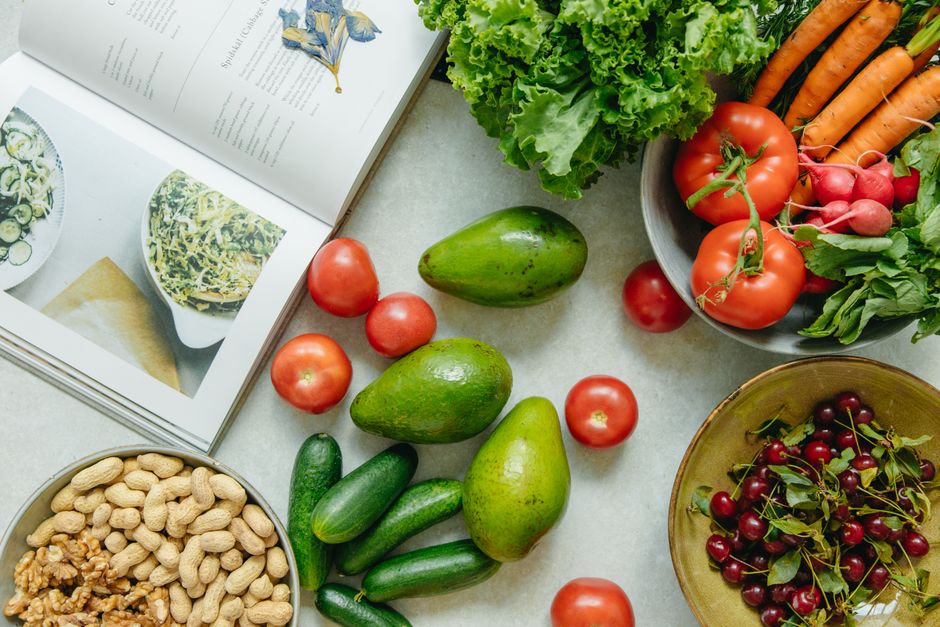
Avocado is one of the few fruits that delivers a substantial amount of healthy fat, and that single fact explains most of what makes it good for you. A whole medium avocado provides roughly 240 calories, about 10 grams of fiber, and significant amounts of potassium, folate, vitamin E, and vitamin K. Research consistently links regular avocado intake to better diet quality and improved cholesterol numbers, though it is not a magic food and portion size still matters.
What Makes Avocado So Nutritious?
Most fruits are mostly carbohydrate and water. Avocado is different. About three-quarters of its calories come from fat, and most of that fat is monounsaturated — the same type found in olive oil.
That fat profile does two things. It makes avocado calorie-dense, and it helps your body absorb fat-soluble vitamins from whatever else you are eating. Vitamins A, D, E, and K need fat to be absorbed properly. Adding avocado to a salad or a bowl of vegetables can increase how much of those vitamins your body actually takes in.
Here is what one medium avocado (about 200 grams) delivers:
- Fiber: around 10 grams — roughly a third of what most adults need daily
- Potassium: about 700 milligrams, more than a medium banana
- Folate: a meaningful share of daily needs, important for cell division and especially during pregnancy
- Vitamin K: supports blood clotting and bone health
- Vitamin E: an antioxidant that protects cells from damage
- Monounsaturated fat: the majority of its total fat content
The fiber content deserves attention. About 70 percent of avocado’s fiber is insoluble, which adds bulk to stool and supports regularity. The rest is soluble fiber, which feeds beneficial gut bacteria and can help slow digestion.
Does Avocado Help Lower Cholesterol?
Yes, the evidence supports a modest cholesterol benefit. When avocado replaces sources of saturated fat in the diet — like butter or fatty meat — LDL cholesterol tends to drop.
This is not unique to avocado. It is the standard effect of swapping saturated fat for unsaturated fat. Avocado simply happens to be a convenient, whole-food way to make that swap. Some studies suggest avocado can modestly lower total cholesterol and LDL when it replaces saturated fat in the diet, though the effect is smaller than what cholesterol-lowering medications produce.
What avocado does not do is cancel out a diet high in saturated fat. Adding avocado on top of a burger does not make the burger heart-healthy. The benefit comes from replacement, not addition.
One clarification worth making: avocado does contain some saturated fat, about 3 grams per medium fruit. That is far less than butter or cheese, but it is not zero. For most people this is not a concern. For someone with severely elevated LDL who is tracking saturated fat carefully, it is worth knowing.
Can Avocado Help With Weight Management?
The evidence here is mixed, and it is worth being honest about that. Avocado is calorie-dense — about 240 calories in a medium fruit. Eating more calories than you burn leads to weight gain regardless of where those calories come from.
That said, some research indicates that people who eat avocado tend to have better overall diet quality and, in some studies, lower body weight. This does not prove avocado causes weight loss. It may simply reflect that people who eat avocado also tend to eat more vegetables and fewer processed foods.
The fiber and fat in avocado do promote satiety — you feel full longer. That can help with portion control at later meals. But this effect is modest and depends on what else is on your plate.
A practical point: a “serving” of avocado is about one-third of a medium fruit, roughly 80 calories. Many people eat an entire avocado in one sitting without thinking about it. That is not dangerous, but it adds up quickly if weight is a concern.
Is Avocado Good for Your Heart?
The heart benefits of avocado come from three established mechanisms: its monounsaturated fat content, its potassium, and its fiber.
Monounsaturated fat, when it replaces saturated fat, improves cholesterol profiles. Potassium helps counterbalance sodium and supports healthy blood pressure — the American Heart Association has long emphasized potassium-rich foods as part of blood pressure management. Fiber, particularly soluble fiber, is associated with lower cardiovascular risk in large population studies.
What avocado does not do is prevent heart disease on its own. No single food does. The benefit shows up when avocado is part of a dietary pattern that is already low in saturated fat and rich in vegetables, fruits, whole grains, and lean proteins.
Some research has looked specifically at avocado intake and cardiovascular outcomes. The findings are generally favorable but not strong enough to claim avocado prevents heart attacks or strokes. The honest position is that avocado fits well into a heart-healthy diet, but it is not a treatment.
How Does Avocado Compare to Other Common Foods?
Comparing avocado to a few foods people commonly swap it with helps put its nutrition in context. Values below are approximate and based on standard USDA nutrient data for a 100-gram portion (about half a medium avocado).
| Food (100g) | Calories | Total Fat | Fiber | Potassium |
|---|---|---|---|---|
| Avocado | 160 | 15 g | 7 g | 485 mg |
| Banana | 89 | 0.3 g | 2.6 g | 358 mg |
| Olive oil | 884 | 100 g | 0 g | 1 mg |
| Butter | 717 | 81 g | 0 g | 24 mg |
| Hummus | 166 | 10 g | 6 g | 228 mg |
Notice that avocado has far fewer calories than olive oil or butter for the same weight, while still providing fat and fiber. That makes it a useful spread replacement. It also has more potassium and fiber than a banana gram for gram, though bananas are still a reasonable source.
Are There Any Downsides or Risks?
For most people, avocado is well tolerated and safe. There are a few situations worth knowing about.
Avocado allergy is uncommon but real. It can cause itching, hives, or in rare cases a more serious reaction. Some people with latex allergy also react to avocado, because the proteins are similar. If you have had a reaction, talk to a doctor before eating it again.
Potassium and kidney disease. Avocado is high in potassium. People with advanced kidney disease are often told to limit potassium because their kidneys cannot clear it efficiently. For them, avocado may need to be restricted. This is a medical decision, not a general one.
Calorie density. Avocado is not a low-calorie food. Eating large amounts regularly without adjusting the rest of your diet can contribute to weight gain.
Vitamin K and blood thinners. Avocado contains vitamin K, which interacts with warfarin and similar medications. People on these drugs are usually advised to keep vitamin K intake consistent rather than avoid it entirely. If you take a blood thinner, ask your doctor or pharmacist before making avocado a regular part of your diet.
Fiber adjustment. Going from little fiber to a lot quickly can cause bloating, gas, or cramping. If you are not used to high-fiber foods, add avocado gradually.
How Should You Eat Avocado?
The healthiest way to eat avocado is as a replacement for something less nutritious, not as an addition on top of it.
Use it instead of butter or mayonnaise on sandwiches. Mash it into a spread for toast instead of using a sweetened jam. Add slices to a salad in place of cheese or croutons. These swaps improve the fat profile of the meal without adding calories.
Portion awareness matters. A serving is about one-third of a medium avocado. If you are watching your weight, measuring it out rather than eyeballing it can help — avocado is easy to over-serve because it does not look like a high-calorie food.
Fresh avocado is best. Pre-made guacamole and avocado spreads often contain added oils, salt, or preservatives that change the nutrition profile. If you buy prepared versions, read the label.
Frequently Asked Questions
Is it OK to eat avocado every day?
Yes, for most healthy adults, eating avocado daily is fine as long as it fits within your overall calorie needs. A serving is about one-third of a medium avocado, roughly 80 calories.
Is avocado fat bad for you?
No. Most of the fat in avocado is monounsaturated fat, which is considered heart-healthy when it replaces saturated fat in the diet. The type of fat matters more than the total amount for most people.
Can avocado help you lose weight?
The evidence is mixed. Avocado’s fiber and fat may help you feel full, but it is calorie-dense, so eating more of it without adjusting other foods can lead to weight gain rather than loss.
Who should avoid avocado?
People with an avocado or latex allergy should avoid it, and those with advanced kidney disease may need to limit it because of its potassium content. Anyone on blood thinners should check with their doctor.
