
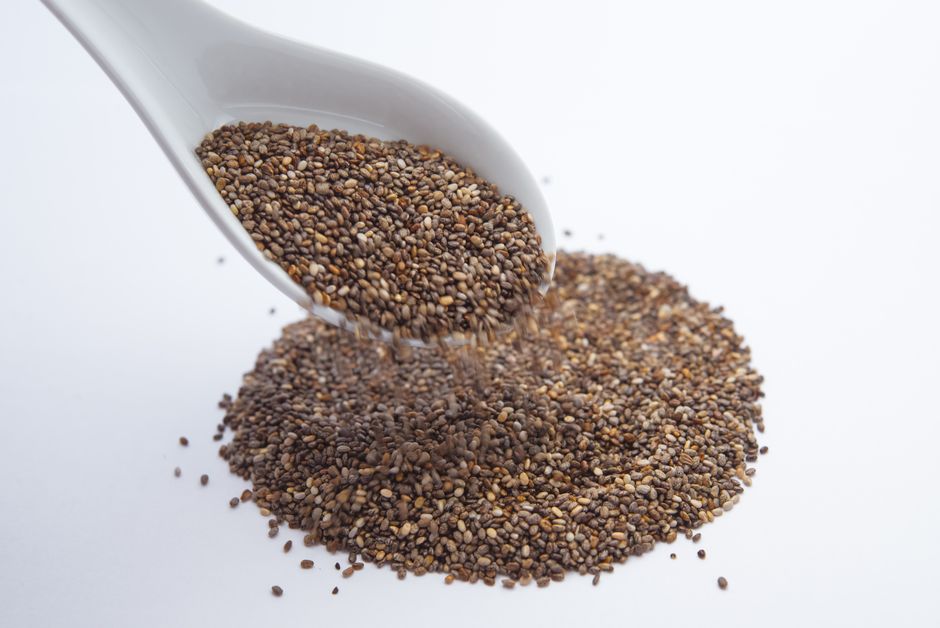
Chia seeds are a genuinely nutrient-dense food, and the evidence for their basic nutritional value is solid. They are one of the few plant foods that deliver a meaningful amount of alpha-linolenic acid (ALA, a plant-based omega-3), along with fiber, protein, and minerals. What they are not is a cure-all. Claims about chia seeds melting belly fat, replacing medication, or transforming your health are not supported by strong human trials.
So how good are chia seeds for you? As a fiber-rich, mineral-rich addition to an otherwise balanced diet, they are a good choice. As a standalone solution to weight loss, heart disease, or blood sugar problems, the evidence is much thinner than the marketing suggests.
What Are Chia Seeds Actually Made Of?
Chia seeds (Salvia hispanica) are small oval seeds native to Mexico and Guatemala, historically used as a staple food by the Aztec and Maya peoples. Nutritionally, they pack a lot into a tiny package.
A one-ounce serving (about 28 grams, or roughly two tablespoons) contains approximately:
- About 138 calories
- About 10 grams of fiber
- About 5 grams of protein
- About 9 grams of fat, most of it polyunsaturated
- Significant calcium, magnesium, phosphorus, and manganese
That fiber number matters. Ten grams in two tablespoons is a large share of the roughly 25 to 38 grams of daily fiber most adults are advised to consume. Most Americans fall well short of that target, so chia can help close a real gap.
Chia also contains ALA, the plant form of omega-3 fat. ALA is an essential fatty acid — your body cannot make it, so it must come from food. That is a genuine nutritional point in chia’s favor. The catch is that ALA is not the same as the omega-3s found in fatty fish (EPA and DHA). Your body converts ALA to EPA and DHA only inefficiently, so chia is not a direct substitute for fish or fish oil.
How Good Is Chia Seeds For You Compared To Other Seeds?
Chia holds up well against flax, hemp, and sesame, though each has trade-offs. The table below compares approximate values per ounce for the nutrients that matter most.
| Nutrient (per ~28g) | Chia | Flax | Hemp |
|---|---|---|---|
| Calories | ~138 | ~150 | ~155 |
| Fiber | ~10 g | ~8 g | ~1 g |
| Protein | ~5 g | ~5 g | ~9 g |
| ALA omega-3 | Yes | Yes | Yes |
| Calcium | High | Moderate | Low |
Chia’s standout features are its fiber and calcium content. Hemp wins on protein. Flax is comparable on omega-3 but its nutrients are better absorbed when ground, because whole flax seeds can pass through digestion intact. Chia seeds do not require grinding to be digested — you can eat them whole.
One practical advantage: chia has a mild flavor and forms a gel when mixed with liquid. That makes it easy to add to yogurt, oatmeal, smoothies, or water without changing the taste much.
Does Chia Help With Weight Loss?
The evidence is weaker than the marketing. Chia’s fiber and its ability to absorb liquid and swell may increase feelings of fullness, and that is a reasonable mechanism. But reasonable mechanisms do not always translate into real-world weight loss.
Small studies have looked at chia and appetite, with mixed results. Some found modest increases in fullness; others found no meaningful effect on weight. No strong, large human trial has shown that adding chia seeds causes significant weight loss on its own. If chia helps at all, it is most likely because it replaces a higher-calorie snack or adds fiber that slightly reduces how much you eat — not because chia burns fat.
Chia is calorie-dense. Two tablespoons are about 138 calories. Adding it to food without adjusting anything else adds calories, which works against weight loss. This is the part most chia marketing leaves out.
Can Chia Seeds Lower Cholesterol Or Blood Sugar?
There is some early evidence, but it is not strong enough to promise results. A few small trials have suggested that chia may modestly lower LDL cholesterol or improve blood sugar markers, particularly in people with type 2 diabetes. Other studies found no significant effect.
The soluble fiber in chia is the plausible link. Soluble fiber can bind cholesterol in the gut and slow the absorption of sugar, and that mechanism is well established for fiber in general. But the specific evidence for chia producing clinically meaningful changes in cholesterol or blood sugar is limited and inconsistent.
No clinical guideline recommends chia seeds as a treatment for high cholesterol or diabetes. If you take medication for either condition, chia is a food, not a replacement. Talk to your doctor before making any change to treatment.
How Should You Eat Chia Seeds?
Chia can be eaten raw, soaked, or mixed into foods. Soaking is common and turns the seeds into a gel, which some people find easier to digest and easier to add to recipes.
- Stir a spoonful into yogurt, oatmeal, or a smoothie
- Mix with liquid to make a chia pudding
- Add to baked goods as a partial egg substitute in some recipes
- Sprinkle on salads or into soups
Start with a small amount. Chia is high in fiber, and eating a large portion when your body is not used to it can cause bloating, gas, or cramping. Increasing fiber gradually and drinking enough water helps. Because chia absorbs liquid, eating it dry in large amounts without fluids can be uncomfortable and, in rare cases, has been linked to swallowing difficulty if the seeds swell in the throat. Soaking them or eating them with plenty of liquid avoids this.
Are There Risks Or Downsides?
For most people, chia is safe in normal food amounts. The main issues are practical rather than serious.
Fiber load is the biggest one. Too much fiber too fast causes digestive discomfort. Chia can also interfere with how well your body absorbs certain minerals because of compounds called phytates, though this effect is usually modest in a varied diet.
People with a history of swallowing problems or narrowed esophagus should be cautious with dry chia seeds. And anyone taking blood thinners should know that chia contains ALA and some vitamin K — both can interact with certain medications. This is a reason to check with a clinician, not a reason to panic.
Chia is also a seed, so people with seed allergies should be careful. Allergies to chia specifically are uncommon but documented.
What Is The Honest Bottom Line?
Chia seeds are a good food. They add fiber, plant protein, ALA omega-3, and minerals to your diet, and most people would benefit from eating more fiber than they currently do. That part is well supported.
What is not well supported is the idea that chia is a special fat-burning, disease-fighting superfood. The weight loss evidence is mixed at best. The cholesterol and blood sugar evidence is early and inconsistent. Chia is a useful ingredient in a balanced diet — not a treatment, not a shortcut, and not a replacement for medication or medical care.
If you enjoy chia and it helps you eat more fiber and fewer processed snacks, that is a real benefit. If you are expecting it to change your health on its own, the evidence does not back that up.
Frequently Asked Questions
How much chia should I eat per day?
There is no official daily recommendation for chia specifically. A common serving is about two tablespoons (roughly 28 grams), which provides around 10 grams of fiber, but you should build up gradually to avoid digestive discomfort.
Do chia seeds need to be soaked before eating?
No, chia can be eaten raw or dry, unlike flax which is better absorbed when ground. Soaking makes them easier to digest and easier to add to foods, and it also reduces the small risk of swallowing issues from dry seeds swelling in the throat.
Can chia seeds replace fish oil for omega-3?
Not directly. Chia contains ALA, a plant omega-3, but your body converts ALA to the EPA and DHA found in fish oil only inefficiently, so chia is not a substitute for fatty fish or fish oil.
Do chia seeds actually help you lose weight?
The evidence is mixed and no strong trial shows chia causes significant weight loss on its own. It may help slightly by increasing fullness, but it is also calorie-dense, so added calories can offset any benefit.
