
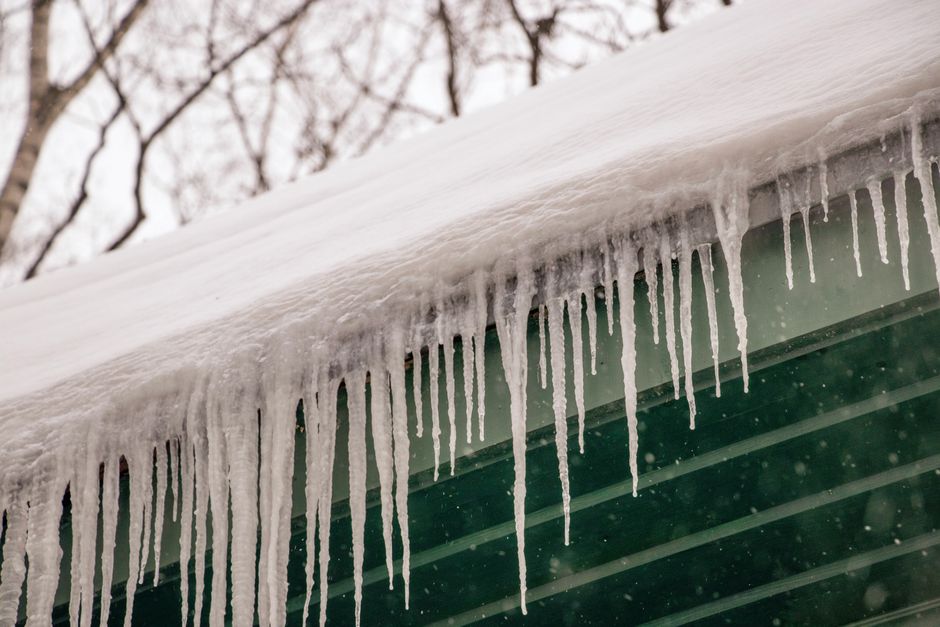
Freezing food slowly forms large ice crystals that pierce cell walls. When the food thaws, those ruptured cells leak their contents, and the texture collapses. The fix is fast freezing and slow, cold thawing — two habits that keep ice crystals small and give cells time to recover.
That is the short version. The longer version explains why frozen strawberries turn to mush while frozen peas stay firm, and why how you thaw matters as much as how you freeze. None of this is mysterious. It comes down to water, ice, and the structure of plant and animal cells.
How Freeze Thawing Damages Cells And How To Prevent It
Water inside cells does not freeze all at once. As temperature drops, ice crystals begin forming in the spaces between cells first, because the fluid there is less concentrated with dissolved sugars and salts. Ice pulls water out of the cells by osmosis, and the crystals grow larger as more water joins them.
The size of those crystals decides the damage. Slow freezing — a home freezer at 0°F (-18°C) or a cold winter night — gives crystals time to grow. Large, jagged crystals physically puncture cell membranes and the rigid cell walls in plants. Fast freezing produces many tiny crystals instead, which cause far less mechanical injury.
This is why commercial frozen vegetables often hold their texture better than home-frozen ones. Industrial freezers use blasts of very cold air or direct contact with refrigerated surfaces to freeze food quickly. A home freezer is much slower, especially if you load it with warm food all at once.
What happens at the cellular level
Two things break cells during a freeze-thaw cycle. The first is mechanical: ice crystals cut through membranes. The second is chemical and osmotic: as ice forms outside the cell, water leaves the cell, and the remaining cell fluid becomes highly concentrated with salts and sugars. That concentrated environment can damage proteins and membrane structure even without physical puncture.
When the food thaws, the ice melts and the damaged cells can no longer hold their contents. Water and pigments leak out. That is the puddle under thawed berries and the limp texture of refrozen meat.
Why Does Frozen Food Turn Mushy After Thawing?
Mushiness is the visible result of ruptured cell walls in plant tissue. Plant cells have a rigid wall made largely of cellulose, and that wall gives vegetables and fruit their crispness. Once the wall is breached, the cell loses internal pressure — the same pressure that makes a carrot snap — and the tissue goes soft.
Animal tissue behaves differently. Meat cells lack a rigid wall, so they suffer less structural shattering. The bigger problem in meat is water loss. Muscle fibers hold water, and when ice crystals form between fibers and rupture membranes, that water escapes during thawing. The result is drier meat and more purge in the package.
Some foods are naturally more forgiving. Peas, corn, and green beans freeze well because they are small, dense, and freeze quickly. Berries, tomatoes, and leafy greens are mostly water and delicate structure, so they soften badly. That is a property of the food, not a failure of your freezer.
Does Blanching Before Freezing Prevent Cell Damage?
Blanching — briefly boiling or steaming vegetables before freezing — helps preserve quality, but it works for a different reason than most people assume. It does not stop ice crystals from forming. It deactivates enzymes that would otherwise cause off-flavors, color loss, and nutrient breakdown during frozen storage.
Enzymes like polyphenol oxidase and peroxidase remain active at freezer temperatures, just more slowly. Over weeks and months they cause browning, mushy texture, and vitamin loss. A short blanch before freezing inactivates them. The standard advice from food preservation sources is to blanch most vegetables before freezing and to cool them quickly in ice water afterward.
Blanching does not rescue texture in high-water foods like tomatoes or berries. Those will soften regardless. It does meaningfully protect the quality of beans, broccoli, corn, and similar vegetables over storage.




How Should You Thaw Frozen Food to Limit Damage?
Thaw slowly in the refrigerator whenever possible. A cold, gradual thaw lets melting ice water reabsorb into cells to some degree and reduces the rush of fluid out of the tissue. It is also the safest method from a food safety standpoint, because it keeps the food out of the temperature range where bacteria multiply fastest.
Food safety guidance from federal health agencies consistently recommends refrigerator thawing as the safest approach, with cold water or microwave thawing as faster alternatives that require immediate cooking afterward. Leaving food on the counter to thaw is the method to avoid. The outer layers warm into the danger zone while the center is still frozen.
For texture, the ranking looks roughly like this:
- Refrigerator thaw — slowest, best texture retention, safest
- Cold water bath — faster, acceptable texture, food must be in a sealed bag and cooked promptly
- Microwave thaw — fastest, uneven, can start cooking edges; cook immediately after
- Room temperature — worst for both texture and safety
One non-obvious point: how you thaw matters less than how the food was frozen. If large crystals already formed during freezing, no thawing method will rebuild the cell walls. Slow thawing limits additional water loss but cannot reverse structural damage that already happened.
How Do You Freeze Food to Minimize Cell Damage?
Freeze fast and freeze small. The faster the food passes through the temperature range where ice crystals grow, the smaller the crystals. You can push your home freezer toward faster freezing with a few practical steps.
- Set the freezer to 0°F (-18°C) or colder, which is the standard recommended storage temperature
- Spread food in a single layer on a tray to freeze, then consolidate once solid
- Use shallow containers and thinner portions so cold penetrates quickly
- Chill food in the refrigerator before freezing when practical
- Avoid overloading the freezer with a large batch of warm food at once
- Remove as much air as possible from packaging to limit freezer burn and oxidation
Freezer burn deserves a mention because it is often confused with cell damage. Freezer burn is moisture loss from the surface of food through sublimation — ice turning directly to vapor. It causes dry, grayish patches and changes texture, but it is a surface phenomenon, not the same as internal crystal damage. Proper airtight packaging prevents it.
Can You Refreeze Thawed Food Without Ruining It?
Refreezing is safe under the right conditions, but quality suffers. Each freeze-thaw cycle causes additional cell damage, so food refrozen after thawing will be softer and drier than food frozen once. Federal food safety guidance allows refreezing food that was thawed in the refrigerator, provided it was handled safely and not left out.
The safety question and the quality question are separate. Refreezing food thawed in the refrigerator is considered safe because cold temperatures kept bacterial growth in check. Food thawed at room temperature or in standing water should not be refrozen, because it may have spent time in the danger zone.
For cooked dishes, the picture is more forgiving. Cooking breaks down cell structure anyway, so refreezing a soup or stew causes less noticeable quality loss than refreezing a raw berry. This is why batch-cooked meals freeze and reheat well while delicate raw produce does not.
Which Foods Freeze Well and Which Do Not?
High-water, delicate-structure foods suffer most. Low-water or sturdy foods suffer least. The pattern is consistent enough to plan around.
- Freeze well: peas, corn, green beans, carrots, meat, poultry, bread, soups, stews, cooked grains
- Freeze acceptably: spinach and other sturdy greens (for cooking, not salads), bell peppers, onions
- Freeze poorly: berries (soften but still fine for smoothies and baking), tomatoes (fine for sauce, not slicing), lettuce, cucumbers, potatoes (texture changes), citrus segments
Foods that freeze poorly are not ruined — they are just changed. Thawed strawberries will not hold their shape, but they work in smoothies, sauces, and baked goods. Knowing this lets you freeze without expecting fresh texture on the other side.
Frequently Asked Questions
Why does frozen food get mushy after thawing?
Ice crystals formed during freezing puncture cell walls, so the cells can no longer hold their contents when the ice melts. Water and pigments leak out, and the tissue loses its firm structure.
Is it safe to refreeze meat that was thawed in the refrigerator?
Yes, federal food safety guidance allows refreezing meat thawed in the refrigerator as long as it was handled safely. Quality will decline with each additional freeze-thaw cycle.
What is the best way to thaw frozen food?
Thawing in the refrigerator is the safest method and gives the best texture. Cold water or microwave thawing are faster options, but food thawed that way should be cooked promptly.
Does blanching vegetables before freezing stop cell damage?
No. Blanching deactivates enzymes that cause flavor, color, and nutrient loss during storage, but it does not prevent ice crystals from forming or damaging cells.
