
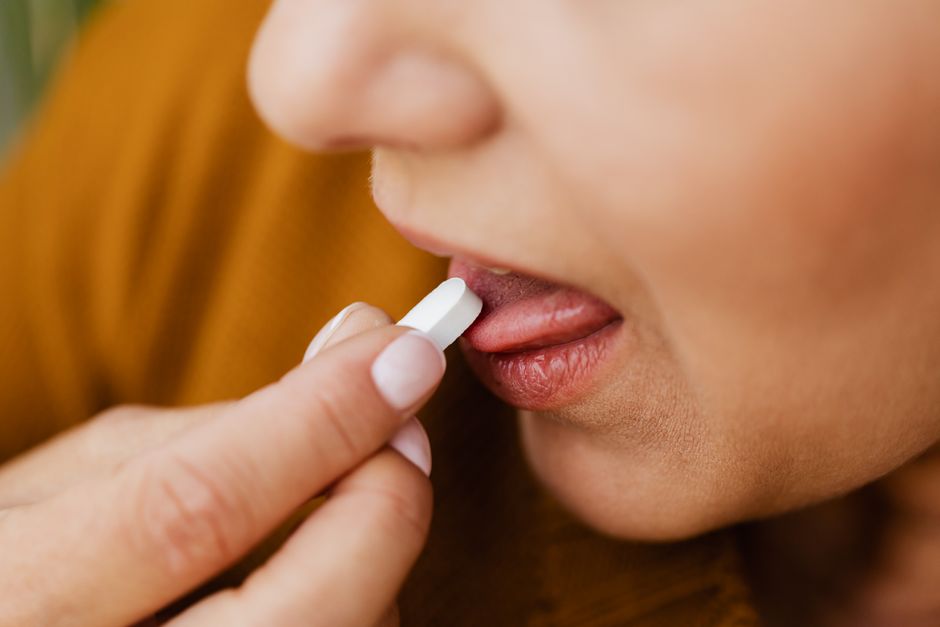
Claritin (loratadine) starts working in about 1 to 3 hours for most people. You will usually feel the most relief from allergy symptoms within 2 to 3 hours after taking it. Unlike some older antihistamines that work in 30 minutes, Claritin is a newer medication that takes a bit longer to kick in but lasts much longer.
How Fast Does Claritin Work Compared to Other Antihistamines?
The short answer is that Claritin is not the fastest antihistamine available. It is a second-generation antihistamine, which means it was designed to cause less drowsiness than older drugs. But that design also affects how quickly your body absorbs it.
Here is a quick comparison of how fast common antihistamines start working:
| Medication | Onset of Action | Duration | Drowsiness Risk |
|---|---|---|---|
| Claritin (loratadine) | 1-3 hours | 24 hours | Low |
| Zyrtec (cetirizine) | 1 hour | 24 hours | Moderate |
| Allegra (fexofenadine) | 1-2 hours | 24 hours | Very low |
| Benadryl (diphenhydramine) | 30-60 minutes | 4-6 hours | High |
The table shows that Benadryl is the fastest. But it only lasts a few hours and makes most people very sleepy. Claritin is slower than Benadryl but gives you all-day relief with almost no drowsiness. Research published in the Journal of Allergy and Clinical Immunology found that loratadine reaches peak concentration in the blood about 1.5 hours after taking it. That is the moment when it is working at full strength.
What Determines How Fast Claritin Works for You?
Several factors can speed up or slow down how quickly Claritin starts working. Your individual body chemistry is the biggest variable. Some people feel relief within 45 minutes, while others may need closer to 4 hours.
Food matters. Taking Claritin with a high-fat meal can slow down absorption. A study in the British Journal of Clinical Pharmacology found that eating a fatty meal reduced the rate of loratadine absorption by about 50 percent. That means if you take Claritin with a greasy breakfast, it might take longer to work. Taking it on an empty stomach is the fastest way.
Your age and liver function also play a role. The FDA label for Claritin notes that people with liver impairment may process the drug more slowly. Older adults sometimes absorb it at a different rate too. But for most healthy adults between 35 and 65, the 1 to 3 hour window is reliable.
The severity of your symptoms can also make it seem like Claritin is working slower. If your nose is completely blocked or your eyes are severely itchy, the drug has more inflammation to fight. You might not feel relief as quickly as someone with mild symptoms.
Does Claritin Work Faster Than a Nasal Spray?
This is a common point of confusion. Many people compare Claritin to nasal sprays like Flonase (fluticasone) and expect similar timing. They are not the same type of medication, and they do not work the same way.
Claritin is an antihistamine. It blocks histamine receptors throughout your body. It works on systemic allergy symptoms like sneezing, runny nose, and itchy eyes. It starts working in 1 to 3 hours.
Nasal sprays like Flonase are corticosteroids. They reduce inflammation in your nasal passages directly. They do not start working immediately. Most steroid nasal sprays take several days to reach full effect. Some people feel some relief after 12 hours, but the full benefit usually takes 3 to 7 days of daily use.
So in terms of speed, Claritin wins for immediate relief. But nasal sprays are often better for severe, chronic congestion because they treat the underlying inflammation. Many allergists recommend using both. Claritin for fast symptom control and a nasal spray for long-term management.





What Does Research on Claritin’s Speed Show?
The clinical evidence on how fast Claritin works is consistent. Multiple studies have measured its onset of action using controlled allergy testing.
Research published in the journal Clinical Therapeutics examined how quickly loratadine relieved symptoms in people with seasonal allergies. The study found that significant symptom relief began within 2 hours. The peak effect was at about 4 hours after taking the medication.
Another study in the Annals of Allergy, Asthma & Immunology looked at how Claritin compared to a placebo. Participants who took Claritin reported noticeable improvement in sneezing and runny nose within 1.5 hours. The placebo group showed no change.
The FDA approved Claritin based on these timing studies. The official prescribing information states that loratadine reaches peak concentration in the blood about 1.5 hours after oral administration. That is the medical standard for how fast it works.
But there is an important detail that many articles miss. Claritin is a prodrug. That means your body has to convert it into its active form before it works. This conversion process takes time. That is why Claritin is slower than some other antihistamines. Your liver has to metabolize loratadine into desloratadine, which is the actual active compound. This is not a flaw. It is by design. The slower conversion reduces side effects and makes the drug last longer.
How to Make Claritin Work Faster
You cannot speed up your liver’s metabolism. But you can avoid things that slow it down. Here are practical steps based on the evidence:
- Take Claritin on an empty stomach. A light snack is fine, but avoid high-fat meals for at least 1 hour before and after.
- Take it at the same time every day. Consistent timing helps maintain steady levels in your blood.
- Do not take it with grapefruit juice. Grapefruit can interfere with the liver enzyme that activates loratadine. This may reduce how well it works.
- Swallow the tablet whole. Do not crush or chew it unless you have the orally disintegrating tablet form.
- Stay hydrated. Dehydration can affect how your body absorbs and processes medications.
Some people wonder if taking two pills works faster. It does not. The standard dose of 10 mg is already optimal. Taking more does not make it work faster. It only increases your risk of side effects like headache or dry mouth.
Common Misconceptions About How Fast Claritin Works
There is a lot of bad information online about Claritin. Here are the most common myths and what the evidence actually shows.
Myth one: Claritin works instantly. Some people expect relief within minutes because they are used to nasal sprays or eye drops. Claritin is an oral medication. It must go through your digestive system and liver. Instant relief is not possible with any oral antihistamine.
Myth two: If it does not work in 30 minutes, it is not working. Many people give up on Claritin too quickly. They take it, feel nothing after half an hour, and assume it is ineffective. The drug has not even reached peak levels yet. Wait at least 2 hours before judging whether it works for you.
Myth three: Claritin works the same for everyone. It does not. Genetic differences in liver enzymes affect how quickly people activate loratadine. Some people are fast metabolizers. Others are slow. This is why one person feels relief in 45 minutes and another needs 4 hours. Neither is abnormal.
Myth four: You can take Claritin with other oral antihistamines for faster relief. Do not do this. Taking multiple antihistamines at the same time does not speed up relief. It increases your risk of side effects without any benefit. Stick to one medication at a time.
Frequently Asked Questions
How long does it take for Claritin to start working for allergies?
Most people feel relief within 1 to 3 hours after taking Claritin. The medication reaches peak levels in your blood about 1.5 hours after you swallow it.
Can I take Claritin on an empty stomach for faster results?
Yes, taking Claritin on an empty stomach helps it absorb faster. High-fat meals can slow down absorption by about 50 percent.
Why does Claritin take longer than Benadryl to work?
Claritin is a prodrug that your liver must convert into its active form. Benadryl works directly without this conversion step, which is why it acts faster but causes more drowsiness.
Does Claritin work faster if I take it every day?
Taking Claritin daily helps maintain steady levels in your blood, but it does not make the medication work faster each time. The onset time stays the same with regular use.
