
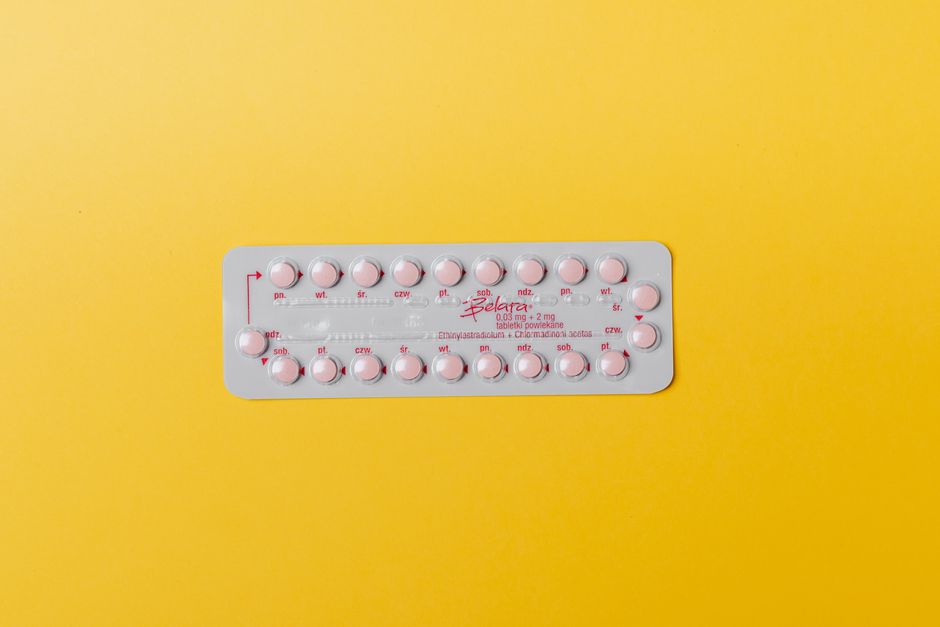
Estrogen therapy costs vary widely depending on the form you use. Generic oral estradiol tablets are often the cheapest option, frequently under $15 a month with a prescription and sometimes less through discount programs. Brand-name patches usually run higher, often $30 to $60 a month without insurance, and some brand products cost considerably more. Gel and spray forms tend to sit in the middle to upper range.
Those figures are cash prices and shift constantly. Insurance, Medicare Part D coverage, manufacturer coupons, and pharmacy choice can move your out-of-pocket cost up or down by a lot. The bigger point is that price differences between pills and patches are usually modest compared with the cost of not treating symptoms that interfere with sleep, work, and daily life.
How Expensive Is Estrogen Pills Patches More?
Patches generally cost more than generic pills, but the gap is often smaller than people expect. A generic estradiol tablet is one of the least expensive prescription medications in the United States. Transdermal patches involve more manufacturing and packaging, so they carry a higher list price.
Here is the honest picture. Generic pills are usually the lowest-cost option. Generic patches cost more but remain affordable for many people. Brand-name patches and gels cost the most. Without insurance, some brand products can exceed $100 a month.
Prices change. Pharmacy discount cards, mail-order pharmacies, and large retailers sometimes sell generic estradiol below what a traditional pharmacy charges. It pays to call around or check prices before you fill a prescription.
One clarification worth knowing: estrogen therapy for menopause symptoms is often prescribed alongside a progestogen for people who still have a uterus. That second medication adds to the total monthly cost. People who have had a hysterectomy usually take estrogen alone. So the price you see for “estrogen” may not reflect your full prescription bill.
Why Do Patches Cost More Than Pills?
Patches are more complex to make. A pill is a compressed tablet. A patch has to deliver a steady dose through the skin over days, which requires an adhesive layer, a drug reservoir or matrix, and a backing film. That engineering and packaging adds cost.
Patches are also typically changed once or twice a week rather than taken daily. Each box contains a set number of patches, and the per-box price can look high even when the monthly cost is reasonable. Reading the price per month rather than per box gives a clearer comparison.
Generic competition matters too. Once multiple manufacturers make a generic version of a drug, prices tend to fall. Generic estradiol tablets have had years of competition. Some patch strengths and brands have less competition, which keeps prices higher.
What Affects What You Actually Pay?
Your out-of-pocket cost depends far more on your coverage than on the sticker price. Two people can fill the same prescription and pay very different amounts.
- Insurance coverage. Many plans cover estrogen therapy for menopause symptoms, but formularies vary. A plan may prefer pills over patches or the reverse.
- Tier placement. Generic drugs usually sit on a lower copay tier than brand drugs. A brand patch can land on a higher tier with a bigger copay.
- Deductible status. Before you meet your deductible, you may pay the full negotiated price.
- Medicare Part D. Prescription drug plans cover many estrogen products, but copays and formularies differ by plan and change yearly.
- Manufacturer programs. Some brand products offer copay assistance, though eligibility rules apply.
- Pharmacy choice. Cash prices for the same generic drug can differ by pharmacy.
If cost is a barrier, ask your prescriber whether a generic or a different form would work for you. That is a conversation about your individual situation, not something to decide alone.
Does Insurance Cover Estrogen Therapy?
Most major insurers cover estrogen therapy when it is prescribed for menopause symptoms. Coverage is common but not universal, and the details matter.
Formularies list which specific products a plan covers and at what tier. A plan might cover generic estradiol tablets with a low copay but require prior authorization or a higher copay for a brand patch. Some plans require you to try a preferred product first.
Medicare Part D plans cover many estrogen products, but each plan sets its own formulary and copays, and these can change every year. Checking your plan’s formulary before your appointment saves surprises at the pharmacy counter.
Medicaid coverage varies by state. If you rely on Medicaid, check your state’s rules directly.
Are There Cheaper Alternatives?
Generic oral estradiol is usually the least expensive prescription option. If you and your clinician decide a transdermal form is preferable for your situation, a generic patch is typically cheaper than a brand patch or gel.
Some people ask about compounded hormone products. These are custom-mixed by a compounding pharmacy and are generally not covered by insurance. They also are not approved by the FDA, which means their purity, potency, and consistency are not held to the same standards as approved products. Cost and regulation both work against them as a budget option.
It is worth being clear that cheaper is not automatically better. The right form depends on your health history, how you absorb the medication, and your preferences. Some clinicians favor transdermal estrogen for people with certain risk factors, such as elevated triglyceride levels or a history of blood clots, because transdermal delivery avoids the first pass through the liver that oral estrogen undergoes. That is a clinical judgment for you and your prescriber, not a cost decision.
What Else Adds to the Total Cost?
The estrogen prescription is only part of the picture. Office visits, follow-up appointments, and any lab work add to the total. Many clinicians schedule a check-in after starting therapy to see how symptoms respond and to review any side effects.
If you take a progestogen alongside estrogen, that medication adds a monthly cost. Progesterone is available in generic form, which helps. Some people use an intrauterine device for endometrial protection, and that carries its own cost and procedure.
Over-the-counter options for symptoms, such as vaginal moisturizers or lubricants, are not the same as hormone therapy and do not treat the same things. They cost less but serve a different purpose. It is worth understanding which symptoms each option actually addresses before comparing prices.
The Bottom Line on Cost
Generic estrogen pills are usually the cheapest form, generic patches cost somewhat more, and brand-name patches and gels cost the most. Insurance coverage and formulary rules often matter more than the list price.
If cost is a concern, the practical steps are simple. Ask about generic options. Check your plan’s formulary. Compare cash prices at a few pharmacies. Ask your prescriber whether a different form would suit your health needs. None of this replaces a conversation with your clinician about what is right for you.
Frequently Asked Questions
How much do estrogen pills cost per month?
Generic oral estradiol is one of the lower-cost prescription medications, often under $15 a month at cash prices, though this varies by pharmacy and dose. Insurance usually lowers the cost further.
Are estrogen patches more expensive than pills?
Yes, patches generally cost more than generic pills because they are more complex to manufacture. Generic patches are usually cheaper than brand-name patches or gels.
Does Medicare cover estrogen patches and pills?
Many Medicare Part D plans cover estrogen products, but formularies and copays differ by plan and can change each year. Check your specific plan’s formulary before filling a prescription.
Is compounded estrogen cheaper than FDA-approved estrogen?
Compounded hormone products are generally not covered by insurance and often cost more out of pocket. They are also not FDA-approved, so their potency and consistency are not held to the same standards.
