
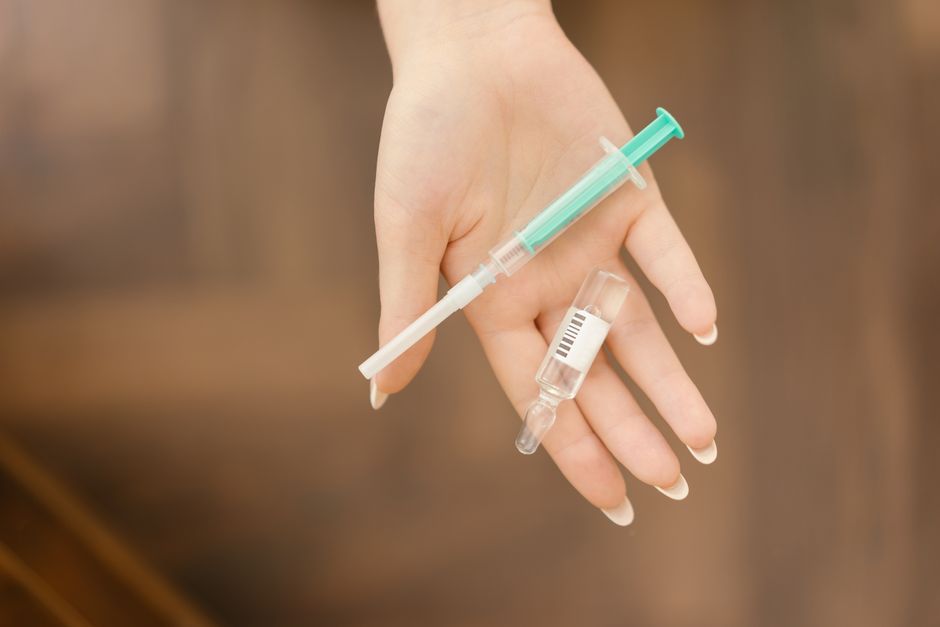
The RSV vaccine is highly effective at preventing severe illness from respiratory syncytial virus, especially in older adults and infants. Clinical trials and real-world data show it reduces the risk of severe lower respiratory tract disease by roughly 70% to 80% in older adults. Protection lasts at least one full season, with some evidence suggesting meaningful protection continues into a second season, though it does decline over time.
How Effective Is The RSV Vaccine And How Long It Lasts?
The answer depends on which vaccine you are talking about and your age. There are two main groups: vaccines for older adults (60 and up) and a monoclonal antibody or vaccine for infants. Both work well, but they work differently.
For adults 60 and older, the FDA-approved RSV vaccines (Arexvy and Abrysvo) showed around 82% to 83% efficacy against severe RSV-related lower respiratory tract disease in their first season. That number comes from large clinical trials with tens of thousands of participants. Real-world data since approval has been consistent with those trial results.
For infants, the approach is different. A vaccine given to the mother during pregnancy (Abrysvo) protects the baby for the first few months of life. Clinical trial data showed about 82% efficacy against severe RSV disease in infants within the first 90 days after birth. The other option is a monoclonal antibody called nirsevimab (Beyfortus), which is given directly to the infant and provides about 70% to 80% protection against medically attended RSV illness for the season.
How Long Does RSV Vaccine Protection Last?
Protection does not last forever. For older adults, the strongest protection is in the first few months after vaccination. Studies show efficacy remains high through the first RSV season, which typically runs from fall through early spring in the United States.
By the second season, protection drops noticeably. One trial showed efficacy against severe disease fell to about 56% to 73% in the second year, depending on the specific vaccine and how “severe” was defined. By the third season, protection is substantially lower, which is why the CDC recommends a single dose for adults 60 and older and does not currently recommend routine revaccination every year.
For infants protected through maternal vaccination, antibodies transfer across the placenta mainly in the third trimester. That means the baby is protected from birth through about six months of age. Protection wanes as the maternal antibodies break down, which is normal and expected.
For infants who receive nirsevimab directly, protection lasts about five months, which covers one full RSV season. The CDC recommends giving it between October and March in most of the United States, timed to the local RSV season.
Why RSV Vaccines Do Not Prevent All Infections
No RSV vaccine prevents every infection. That is not how respiratory vaccines work. The goal is to prevent severe disease, hospitalization, and death — not to stop every sniffle.
RSV is a common virus. Most children have been infected by age two, and adults get reinfected throughout life. Natural infection does not create lasting immunity either. You can get RSV multiple times.
The vaccines work by generating neutralizing antibodies and T-cell responses that keep the virus from multiplying out of control in the lower airways. If the virus does break through, the illness is typically milder and much less likely to require hospitalization.
This is the same principle behind flu vaccines. They are not perfect, but they meaningfully reduce the worst outcomes. RSV vaccines are actually more effective than flu vaccines in their first season.


Who Should Get the RSV Vaccine?
The CDC has clear recommendations for RSV immunization. For adults, the recommendation covers everyone 75 and older. For adults 60 to 74, the CDC recommends vaccination if they have certain chronic conditions that increase RSV risk, such as chronic heart or lung disease, diabetes, or a weakened immune system.
For pregnant women, the maternal RSV vaccine (Abrysvo) is recommended between 32 and 36 weeks of pregnancy, from September through January in most of the U.S. This timing ensures maximum antibody transfer to the baby before birth.
For infants, nirsevimab is recommended for all babies under eight months entering their first RSV season. It is also recommended for some children aged 8 to 19 months who remain at high risk, such as those with severe immunocompromise or chronic lung disease.
You cannot get both the maternal vaccine and nirsevimab for the same baby in most cases. The CDC generally recommends choosing one. The maternal vaccine covers the baby from birth, while nirsevimab is given directly to the baby shortly after birth. Both are effective, and the choice often comes down to timing and availability.
Side Effects and Safety Data
RSV vaccines have a good safety profile, but they are not risk-free. The most common side effects in older adults are injection site pain, fatigue, headache, and muscle aches. These are typically mild and resolve within a day or two.
In clinical trials, there was a small number of cases of Guillain-Barré syndrome, a rare neurological condition, in vaccine recipients. The numbers were small enough that it is not clear if the vaccine caused them. The FDA and CDC have continued to monitor this carefully since approval.
For the maternal vaccine, the most common side effects are similar: injection site pain, headache, and nausea. The trial data did not show an increased risk of preterm birth, though the study was not large enough to completely rule out a rare effect. The FDA required a post-marketing study to monitor this specifically.
For nirsevimab in infants, the most common side effects are rash and injection site reactions. Serious adverse events were rare in trials. The CDC and FDA continue to monitor all RSV immunizations through the Vaccine Adverse Event Reporting System.
How RSV Vaccines Compare to Flu and COVID Vaccines
RSV vaccines are newer, so there is less long-term data compared to flu or COVID vaccines. But the early data is strong.
Flu vaccines typically reduce the risk of flu illness by 40% to 60% in seasons when the vaccine matches circulating strains. RSV vaccines have shown higher efficacy in their first season, around 70% to 80% against severe disease.
COVID vaccines, particularly the mRNA versions, showed very high efficacy initially — over 90% against severe disease — but that protection waned significantly within months, especially against infection. RSV vaccines appear to hold their protection better through the first season, though direct comparisons are difficult because the viruses and populations differ.
One important difference: RSV vaccines are not annual vaccines for most people. The CDC currently recommends a single dose for older adults, not yearly boosters. This may change as more data accumulates, but for now, one dose is considered sufficient for the highest-risk period.
What If You Already Had RSV?
Having RSV does not mean you are protected from getting it again. Natural immunity after RSV infection is short-lived and incomplete. You can be reinfected within the same season.
If you have had RSV and recovered, you can still get vaccinated. The CDC does not recommend waiting a specific amount of time after an infection. Once you are feeling better, talk to your healthcare provider about vaccination timing.
There is no specific antiviral treatment for RSV in otherwise healthy adults. Care is supportive: rest, fluids, and fever management. For infants and high-risk adults, hospitalization may be needed for oxygen support or IV fluids. This is why prevention through vaccination matters.
Frequently Asked Questions
How effective is the RSV vaccine in older adults?
Clinical trials show about 82% to 83% efficacy against severe RSV lower respiratory disease in the first season. Real-world data since approval has been consistent with these findings.
Does the RSV vaccine last more than one season?
Some protection continues into the second season, but efficacy drops to roughly 56% to 73% against severe disease. The CDC currently recommends a single dose, not annual boosters.
Is the RSV vaccine recommended during pregnancy?
Yes, for pregnant women between 32 and 36 weeks, from September through January in most of the U.S. This protects the infant from birth through about six months of age.
Can my baby get RSV protection without the maternal vaccine?
Yes, nirsevimab (Beyfortus) is a monoclonal antibody given directly to infants that provides about 70% to 80% protection for roughly five months. The CDC recommends it for all infants under eight months entering their first RSV season.
