
Laser therapy for knee pain works best as a supporting treatment, not a standalone cure. The strongest evidence is for reducing short-term pain and improving function in people with knee osteoarthritis, but results vary widely between studies. It does not reverse joint damage or replace exercise, weight management, or medical care.
What Is Laser Therapy for Knee Pain?
Laser therapy uses concentrated beams of light directed at the knee. The goal is to reduce pain and inflammation and support tissue repair. Two broad types are used in clinical settings.
Low-level laser therapy (also called cold laser or photobiomodulation) uses low power that does not heat tissue. The light penetrates a few centimeters into the skin and is absorbed by cells. This is the most studied form for knee pain.
High-intensity laser therapy uses higher power and can produce mild warmth. It penetrates deeper but has less published research behind it for knee conditions.
The proposed mechanism involves light energy being absorbed by mitochondria, the energy-producing structures inside cells. This is thought to reduce inflammatory signaling and modulate pain transmission. That mechanism is biologically plausible and supported by laboratory work. Whether it translates into meaningful pain relief in real patients is a separate question, and one where the clinical evidence is more limited than the marketing often suggests.
How Effective Is Laser Therapy for Knee Pain?
The evidence is mixed. Some randomized controlled trials show meaningful pain reduction in knee osteoarthritis. Others show little difference from a placebo or sham laser.
Several factors likely explain the inconsistency. Studies use different wavelengths, power settings, treatment durations, and numbers of sessions. Some trials do not adequately blind participants, which can inflate reported benefits. Placebo effects are especially strong in pain research, and laser treatment involves a hands-on, technology-driven experience that can amplify them.
Where benefits appear, they tend to be modest and short-term. Pain scores may improve for weeks to a few months. Effects on long-term joint health, disease progression, or the need for surgery are not established.
One important distinction: laser therapy is not the same as ultrasound therapy, TENS, or shockwave therapy. These are separate interventions with separate evidence bases. Results from one should not be assumed to apply to another.
What Does the Research Actually Show?
Systematic reviews and meta-analyses — studies that pool results from multiple trials — have generally found low to moderate quality evidence. Some reviews report statistically significant pain reduction favoring laser over placebo. Others find the effect disappears when only high-quality trials are included.
This pattern is common in rehabilitation research. It does not mean the treatment is worthless. It means the evidence is not strong enough to make confident claims about how well it works, for whom, or at what dose.
Guidelines reflect this uncertainty. Major rheumatology and orthopedic organizations generally do not list laser therapy as a first-line or core treatment for knee osteoarthritis. Some mention it as a possible adjunct that patients may try. That is a different position from a recommended standard of care.
If a clinic tells you laser therapy is proven to regrow cartilage or cure arthritis, that claim is not supported by current evidence. No laser device has been shown to reverse cartilage loss.





What Conditions Can It Help With?
Most research focuses on knee osteoarthritis. Evidence for other knee problems is thinner.
- Knee osteoarthritis: The most studied use, with mixed but generally modest short-term benefit in some trials.
- Post-surgical recovery: Some small studies suggest possible pain and swelling reduction after procedures like knee replacement or ACL repair, but evidence is limited.
- Tendon and soft tissue pain: Research exists for conditions like patellar tendinopathy, but studies are small and results vary.
- Acute injury: Very little reliable evidence supports laser therapy for fresh sprains, strains, or tears.
For most of these uses, laser therapy would be considered an add-on, not a replacement for physical therapy, strengthening, or medical management.
How Is It Usually Administered?
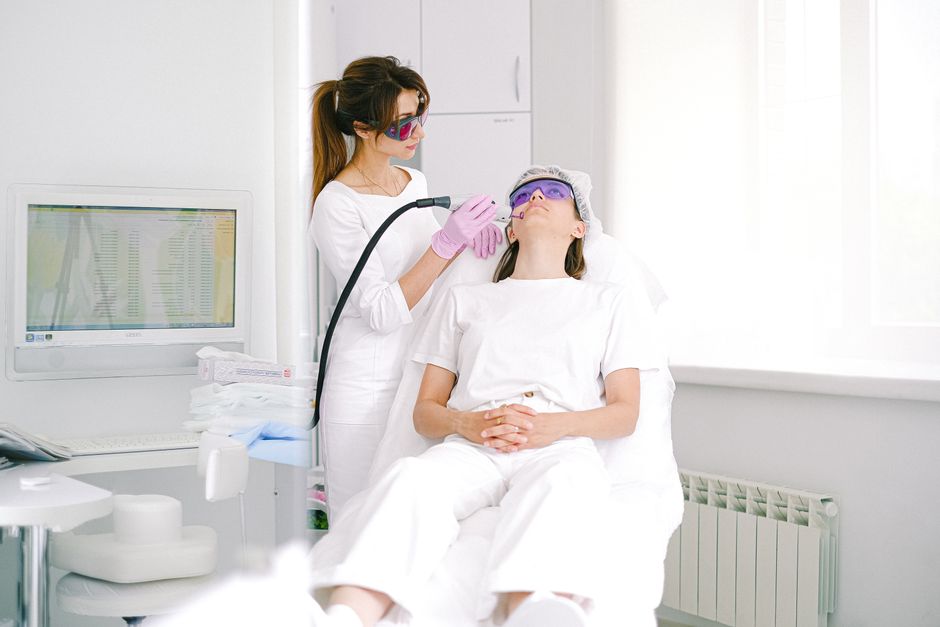
Laser therapy for knee pain is typically delivered in a clinic by a physical therapist, chiropractor, or other trained provider. A session usually lasts several minutes to around 20 minutes, depending on the device and treatment area.
A course of treatment often involves multiple sessions per week over several weeks. The exact number varies by provider and condition. There is no single standardized protocol, which is one reason study results differ so much.
You usually feel nothing during low-level laser treatment. Some people report mild warmth. Serious side effects are rarely reported in the published literature, though temporary soreness or redness can occur. Because the evidence on effectiveness is limited, the honest position is that the risk appears low but the benefit is uncertain.
How Does It Compare to Other Treatments?
Laser therapy is one option among many for knee pain, and it is generally not the strongest one on evidence grounds. The table below compares common approaches.
| Treatment | Evidence Strength | Typical Role |
|---|---|---|
| Exercise and strength training | Strong | First-line for knee osteoarthritis |
| Weight management | Strong | Reduces load and pain in osteoarthritis |
| NSAIDs (oral or topical) | Strong | Short-term pain relief |
| Physical therapy | Strong | Improves function and strength |
| Laser therapy | Mixed / limited | Possible adjunct for short-term pain |
| Corticosteroid injections | Moderate | Short-term relief during flare-ups |
This is not a ranking of what will work for you. It reflects how much reliable evidence supports each option. Exercise and weight management have the strongest and most consistent support for knee osteoarthritis. Laser therapy sits lower on that list.
Who Might Consider It — and Who Should Be Cautious?
Laser therapy may be reasonable to try if you have knee osteoarthritis, you have already addressed the basics like exercise and weight, and you want to explore an adjunct with a low reported risk of harm. It is not a substitute for treatments with stronger evidence.
Be cautious if a provider promises dramatic or permanent results, pressures you into expensive packages, or discourages you from pursuing standard care. Those are warning signs regardless of the treatment.
People with certain conditions should check with a clinician first. This includes active cancer in the treatment area, pregnancy, and use of light-sensitizing medications. Reliable safety data for laser therapy during pregnancy or in children is limited, and no clinical guidelines currently establish dosing or safety for those groups.
The Bottom Line
Laser therapy for knee pain is not a proven cure and not a first-line treatment. The best available evidence suggests it may provide modest, short-term pain relief for some people with knee osteoarthritis, but study results are inconsistent and the overall quality of evidence is low to moderate.
If you are considering it, treat it as a possible add-on alongside approaches with stronger support — exercise, weight management, physical therapy, and appropriate medical care. Ask your provider what the realistic expected benefit is and how much it will cost. If the answer sounds too good to be true, it probably is.
Frequently Asked Questions
Does laser therapy actually work for knee pain?
It may provide modest short-term pain relief for some people with knee osteoarthritis, but study results are inconsistent. The overall quality of evidence is low to moderate, so it is best viewed as a possible add-on rather than a proven standalone treatment.
How many laser therapy sessions do you need for knee pain?
There is no single standardized protocol, and the number of sessions varies by provider and condition. Most courses involve multiple sessions per week over several weeks, but this range comes from clinical practice rather than a firmly established guideline.
Is laser therapy better than exercise for knee osteoarthritis?
No. Exercise and strength training have much stronger and more consistent evidence for knee osteoarthritis than laser therapy. Laser therapy may complement exercise but does not replace it.
Can laser therapy regrow knee cartilage?
No. No laser device has been shown to regrow cartilage or reverse joint damage. Claims that it cures arthritis or restores cartilage are not supported by current evidence.
