
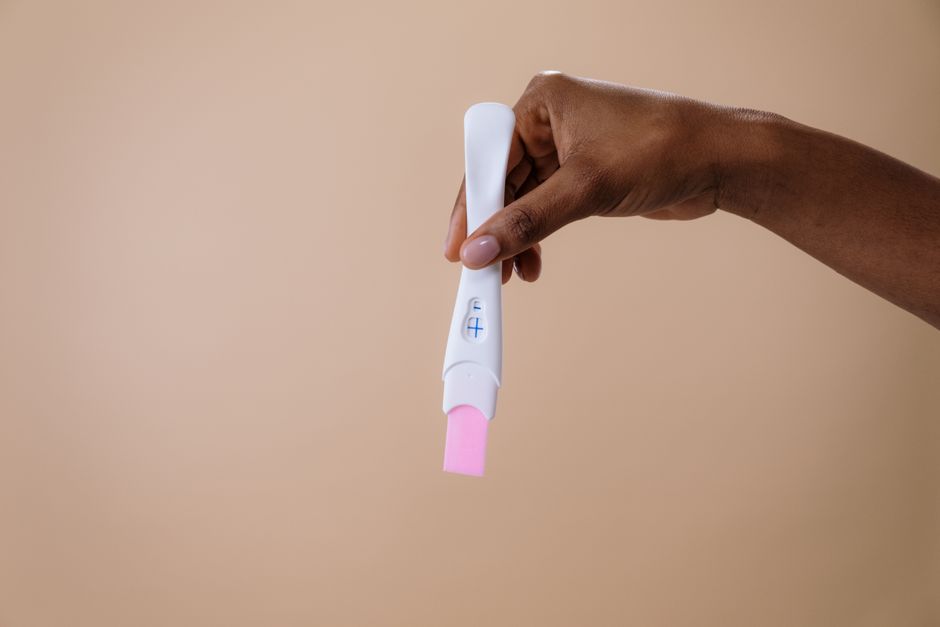
A miscarriage can happen as early as week 3 of pregnancy, though at that stage it often goes unnoticed and is mistaken for a late period. Week 3 is very early — fertilization has just occurred and the fertilized egg is still traveling toward the uterus or has only recently implanted. Losses this early are common, and many people never realize they were briefly pregnant.
What makes week 3 confusing is the timing. Pregnancy is dated from the first day of your last menstrual period, not from conception. So “week 3” of pregnancy is actually around the time of conception and the very start of implantation. A loss at this point is sometimes called a chemical pregnancy because it can only be detected by a pregnancy test, not by ultrasound.
How Early Can You Have a Miscarriage Weeks 3?
Week 3 is about the earliest a miscarriage can occur in a recognized pregnancy. Before implantation is complete, there is no established pregnancy for the body to lose in the usual sense. The process that ends a pregnancy this early is more accurately described as a failure of the fertilized egg to implant or develop normally.
Here is the part many people find surprising. A large share of pregnancies end before a person ever knows they are pregnant. Research on early pregnancy loss suggests that a meaningful number of conceptions do not progress past the first couple of weeks, often because of chromosomal abnormalities in the fertilized egg. These losses typically look like a normal period or a slightly heavier one.
So when someone asks how early a miscarriage can happen, the accurate answer is: losses can occur in the days right around implantation, which corresponds to pregnancy weeks 3 and 4. Whether a person notices depends almost entirely on whether they were testing for pregnancy at the time.
What Is Actually Happening in Week 3 of Pregnancy?
To understand early loss, it helps to know what is supposed to happen. At week 3, a sperm has fertilized an egg, creating a single cell called a zygote. That cell divides rapidly as it moves through the fallopian tube toward the uterus. By the end of the week, it becomes a ball of cells called a blastocyst.
Implantation — when the blastocyst attaches to the lining of the uterus — usually begins around this time and continues into week 4. The uterine lining must be thick and receptive. The blastocyst must be genetically and structurally able to attach and grow.
If either side of that equation fails, the pregnancy does not continue. This is not caused by anything the person did. It is a biological checkpoint, and it happens far more often than most people realize.
What Does a Miscarriage at Week 3 Feel or Look Like?
A loss at week 3 usually produces no distinct symptoms. The most common sign is bleeding that arrives around the time a period was expected, sometimes a few days late. Because of that, it is easily mistaken for a normal menstrual cycle.
If a person was tracking early pregnancy with tests, the pattern may look like this:
- A faint positive pregnancy test that fades over a few days
- Bleeding that starts shortly after a positive test
- Mild cramping similar to period cramps
- No visible tissue, because the pregnancy was microscopic
Some people feel nothing unusual at all. Others notice cramping that seems a little stronger than their typical period. There is no reliable way to tell from symptoms alone whether a very early loss occurred.





How Common Are Miscarriages This Early?
Early pregnancy loss is common, and the earlier the pregnancy, the more common it is. The overall rate of miscarriage in recognized pregnancies is often cited as roughly 10 to 20 percent, but that figure applies to pregnancies that were confirmed. When researchers track pregnancies from the moment of conception using sensitive hormone testing, the loss rate is considerably higher.
This is the non-obvious point worth sitting with: the numbers you see quoted for miscarriage usually leave out the very earliest losses, because those pregnancies were never confirmed. That does not make a week 3 loss less real for the person experiencing it. It simply means the statistics undercount it.
Age is the single strongest factor. The risk of miscarriage rises with the age of the person carrying the pregnancy, largely because the risk of chromosomal abnormalities in the egg increases with age. This is a well-established pattern across many studies.
What Causes a Miscarriage at Week 3?
The most common cause of very early loss is a chromosomal abnormality in the developing embryo. At week 3, the cells are dividing rapidly, and errors in that process are frequent. When the genetic instructions are not viable, development stops.
Other factors can play a role, though they are less common this early:
- Problems with the uterine lining that prevent implantation
- Hormonal factors affecting the uterine environment
- Structural issues in the uterus, which more often affect later losses
- Certain medical conditions in the person carrying the pregnancy
What does not cause a week 3 miscarriage: exercise, lifting, sex, stress, or a single cup of coffee. These are common worries, and the evidence does not support them as causes of early loss. Most early losses are the result of factors no one controls.
When Should You See a Doctor?
Contact a healthcare provider if you have heavy bleeding — soaking through a pad in an hour or less — severe pain, fever, or dizziness. These can signal complications that need medical attention.
For a suspected week 3 loss, there may be little a doctor can confirm, because the pregnancy was too early to see on ultrasound. A provider can check pregnancy hormone levels over time to see whether they are rising or falling, which can help clarify what happened.
If you have had multiple early losses, it is reasonable to ask about evaluation. Recurrent pregnancy loss is generally defined as two or more consecutive miscarriages, and testing may be offered at that point. If you have had one early loss, most clinicians do not recommend extensive testing, because a single loss is common and often does not predict future problems.
Does a Week 3 Loss Affect Future Pregnancies?
A single early miscarriage does not usually reduce your chances of a healthy pregnancy later. Most people who have one early loss go on to carry a pregnancy successfully. The uterus typically recovers quickly, and hormone levels return to normal within a few weeks.
That said, the emotional weight of an early loss is real, even when the pregnancy was only days old. There is no “right” way to feel about it. Some people grieve; others feel relief or move on quickly. Any of these responses is normal.
If you are trying to conceive again, ask your provider about timing. Many clinicians suggest waiting until you have had one normal period, mainly so dating is easier, but the evidence does not clearly show that waiting improves outcomes. This is an area where practice varies.
Frequently Asked Questions
Can you have a miscarriage at 3 weeks pregnant?
Yes, a miscarriage can occur at 3 weeks, though at this stage it usually looks like a late or slightly heavier period. Because the pregnancy is microscopic, it often goes unnoticed unless a pregnancy test was taken.
How do I know if I had a miscarriage at 3 weeks?
You may notice a fading positive pregnancy test followed by bleeding, or simply bleeding around the time your period was due. There is no reliable way to confirm a loss this early from symptoms alone.
Is bleeding at 3 weeks pregnant always a miscarriage?
No, not all early bleeding means a miscarriage. Some people have light spotting in early pregnancy that does not lead to loss, so bleeding alone does not confirm what is happening.
Should I see a doctor after a possible 3-week miscarriage?
See a provider if you have heavy bleeding, severe pain, fever, or dizziness. For a single early loss with mild symptoms, many clinicians do not recommend testing, but you can always ask.
