
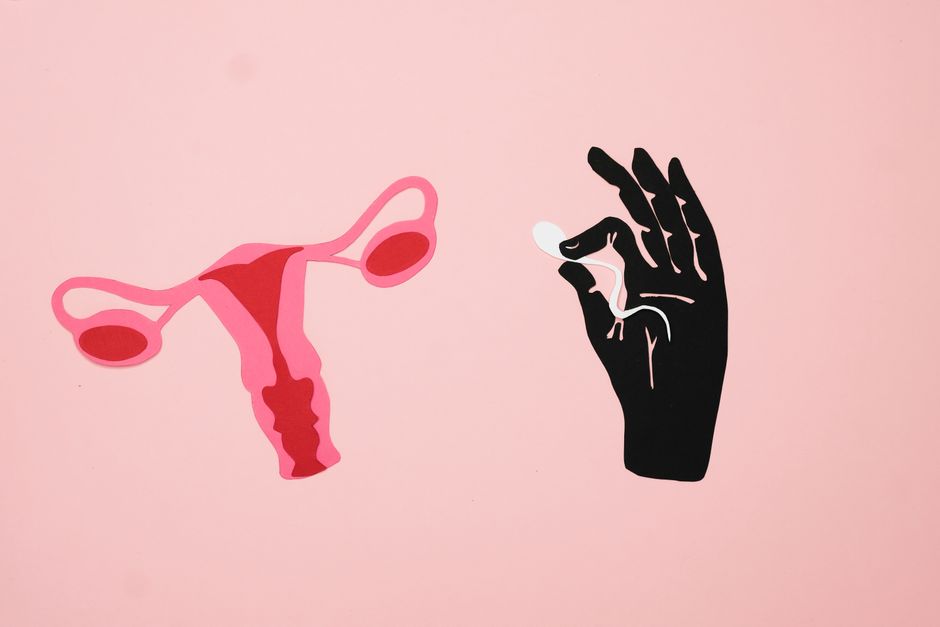
Testosterone replacement therapy (TRT) suppresses sperm production in most men who take it. That is not a rare side effect. It is a predictable result of how the hormone works. TRT signals the brain to stop sending the two hormones that tell the testes to make sperm. Without that signal, sperm production slows and can stop almost entirely. Fertility usually recovers after stopping TRT, but recovery takes months, not days, and it is not guaranteed for everyone.
This is one of the most important things to understand before starting TRT, especially for men in their 30s and 40s who may still want children. The good news is that the effect is well documented and largely reversible. The less good news is that recovery timelines vary widely, and some men need medical help to restart their own testosterone production.
How Does TRT Affect Fertility?
TRT shuts down the body’s own sperm-making machinery. It does this through a feedback loop that most people never think about until it matters.
Your brain produces two hormones that control testosterone and sperm production: luteinizing hormone (LH) and follicle-stimulating hormone (FSH). LH tells the testes to make testosterone. FSH tells them to make sperm. When you add testosterone from outside, your brain senses that levels are already high and reduces its own signals. LH and FSH drop. The testes go quiet.
The result is a drop in intratesticular testosterone — the testosterone inside the testes themselves. This matters because sperm production needs testosterone concentrations inside the testes that are far higher than what circulates in the blood. External testosterone raises blood levels but does not restore the high local levels inside the testes. In many men, sperm counts fall to very low levels or to zero.
This is not a rare reaction. It happens to most men on standard TRT doses. It is the expected physiological response, not a complication.
Can You Still Get a Partner Pregnant on TRT?
It is possible but unlikely, and relying on TRT as a contraceptive is a mistake. Some men maintain low but non-zero sperm production. A small number retain enough to conceive naturally. But most men on TRT see sperm counts fall dramatically within a few months.
Here is the part that catches people off guard: TRT is not a reliable form of birth control either. Men have fathered children while on TRT because their sperm production was not fully suppressed. So the situation is genuinely awkward. TRT reduces fertility significantly but does not reliably eliminate it.
If avoiding pregnancy matters, use a proven contraceptive method. If achieving pregnancy matters, do not assume TRT will allow it.
How Long Does Fertility Recovery Take After Stopping TRT?
Recovery is common but not fast. Most men who stop TRT see sperm production return, but the process typically takes several months and sometimes longer than a year.
Sperm production itself takes roughly two to three months from start to finish in a healthy man. That is the baseline biology. After stopping TRT, your brain has to restart its signaling, your testes have to respond, and a new cycle of sperm production has to complete. Each of those steps adds time.
Some men recover within three to six months. Others take a year or more. A minority do not recover fully on their own and need medical help. Factors that appear to influence recovery include how long you were on TRT, your age, and whether you had normal fertility before starting.
There is no reliable way to predict your individual timeline in advance. Anyone who tells you recovery takes exactly X weeks is guessing.





What Is Post-Cycle Therapy and Does It Help?
Post-cycle therapy (PCT) uses medications to help restart the body’s own testosterone and sperm production after stopping TRT. It is widely used in some clinical settings and heavily discussed online. The evidence base is thinner than the confidence of the people recommending it.
The medications involved — typically drugs that stimulate LH and FSH, such as clomiphene or human chorionic gonadotropin (hCG) — are legitimate prescription drugs with real effects on the hormonal axis. Some clinicians use them to help men recover fertility after TRT. But large, well-controlled trials specifically testing PCT protocols for fertility recovery after TRT are limited.
This is a case where common clinical practice runs ahead of strong trial evidence. That does not make it wrong. It means the honest position is: some clinicians recommend it, the biological rationale is sound, and the evidence for specific protocols is not robust. If you are considering it, that conversation belongs with a specialist — typically a reproductive endocrinologist or urologist — not a forum.
Can You Preserve Fertility While on TRT?
Yes, in some cases. There are two main approaches, and both require planning before you start TRT, not after.
- Sperm banking. Freezing sperm before starting TRT preserves the option of future fertility using assisted reproduction. This is the most reliable option and is often recommended for men who want to keep the door open.
- Adding hCG to TRT. Human chorionic gonadotropin mimics LH and can help maintain sperm production in some men while they are on TRT. Some studies suggest it preserves fertility better than TRT alone. It is not a guarantee, and dosing and monitoring require a clinician.
Other medications, such as clomiphene, are sometimes used instead of TRT in men who want to raise testosterone while preserving fertility. These work differently — they stimulate the body’s own production rather than replacing it — and are not appropriate for everyone. Men with primary testicular failure, for example, may not respond.
Who Should Think Twice Before Starting TRT?
Anyone who wants to have children in the future should have a frank conversation with their doctor before starting TRT. That includes men who are not planning children right now but might want them later.
TRT is a legitimate treatment for men with confirmed hypogonadism — low testosterone measured on more than one occasion, with symptoms. For those men, the benefits can be meaningful. But fertility is a real trade-off, and it deserves to be part of the decision from the start rather than discovered later.
If you are already on TRT and want to have children, the path forward usually involves stopping TRT under medical supervision, possibly with medications to support recovery, and monitoring sperm counts over time. Do not stop or change TRT on your own without talking to your doctor, especially if you have been on it long-term.
What Should You Do If You Want Children After TRT?
Talk to a fertility specialist early. A reproductive urologist or endocrinologist can assess your hormone levels, check sperm production, and discuss options. The earlier that conversation happens, the more options you have.
Be honest about your TRT history. Timeline matters. Duration matters. So does whether you used hCG alongside it. These details shape what a specialist will recommend.
And keep expectations realistic. Recovery is likely for most men but not instant and not universal. Planning around that reality is far better than assuming the best case.
Frequently Asked Questions
Does TRT make you permanently infertile?
For most men, no. Sperm production usually returns after stopping TRT, though recovery can take many months. A minority of men do not recover fully on their own and need medical help.
How long after stopping TRT can you get someone pregnant?
It varies widely, but many men see sperm production return within several months to a year. Sperm production itself takes about two to three months per cycle, so recovery is never immediate.
Can you take testosterone and still have kids?
It is possible but not reliable. Some men maintain low sperm production on TRT, and adding hCG may help preserve fertility in some cases. Sperm banking before starting TRT is the most dependable option.
Does hCG preserve fertility on TRT?
Some studies suggest hCG can help maintain sperm production during TRT by mimicking luteinizing hormone. It is not a guarantee, and it requires a clinician to manage dosing and monitoring.
