
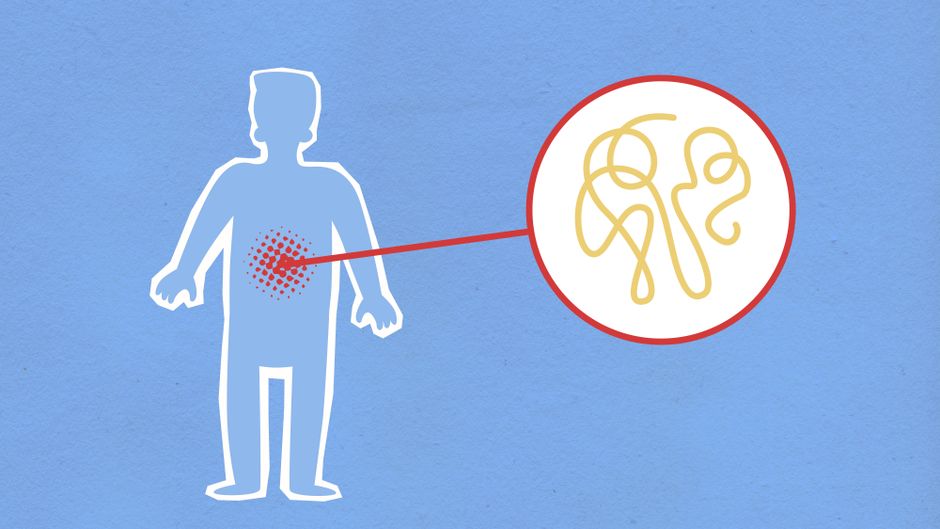
Your stomach is a muscular sac that holds food, churns it, and begins breaking it down with acid and enzymes before sending it on to the small intestine. It does not absorb most nutrients — that job belongs to the small intestine. The stomach’s main roles are storage, mechanical mixing, and the early chemical digestion of proteins.
How Does The Stomach Work Digestion Explained
When you swallow, food travels down the esophagus and enters the stomach through a ring of muscle called the lower esophageal sphincter. That sphincter acts like a one-way gate. It opens to let food in and then closes to keep stomach contents from flowing back up.
Once food is inside, the stomach does three things at once. It stores the meal, mixes it with digestive juices, and slowly releases the resulting mixture into the small intestine at a controlled pace.
The stomach wall has three layers of muscle, which is unusual — most organs have two. These layers contract in waves, a process called peristalsis. The contractions grind food and churn it together with gastric juice until it becomes a thick, soupy liquid called chyme.
Gastric juice contains hydrochloric acid and several enzymes, most notably pepsin. Pepsin begins breaking proteins into smaller fragments. The acid also kills many bacteria that arrive with food and creates the acidic environment pepsin needs to function.
Contrary to a common belief, the stomach absorbs very little. Water, some medications, alcohol, and a small number of other substances can cross the stomach lining. Nearly all nutrients — carbohydrates, proteins, fats, vitamins, and minerals — are absorbed later, in the small intestine.
What Does Stomach Acid Actually Do?
Stomach acid is hydrochloric acid, and it is strong. The stomach maintains a pH that is highly acidic, typically in the range of 1.5 to 3.5. For comparison, that is far more acidic than coffee or even lemon juice.
This acid serves several purposes:
- It kills or inhibits many bacteria and other microbes swallowed with food.
- It activates pepsinogen into pepsin, the enzyme that digests protein.
- It helps break down the connective tissue in meat and plant cell walls.
- It helps your body absorb certain nutrients, including iron and vitamin B12, though B12 absorption depends on a separate protein made in the stomach called intrinsic factor.
The stomach does not digest itself because its lining is built to resist acid. Cells secrete a layer of mucus that coats the inner surface. The cells lining the stomach are also replaced quickly, so any minor damage is repaired fast.
When that mucus barrier breaks down, acid can injure the stomach lining. That is what happens in a peptic ulcer. For decades people believed stress or spicy food caused ulcers. Research published in the 1980s and 1990s established that most peptic ulcers are caused by a bacterium called Helicobacter pylori or by long-term use of nonsteroidal anti-inflammatory drugs (NSAIDs) such as ibuprofen and aspirin.
How Long Does Food Stay in the Stomach?
Food typically stays in the stomach for a few hours, but the exact time depends on what you ate. A meal leaves the stomach gradually rather than all at once, and the composition of that meal changes the pace.
The stomach empties in a specific order. Liquids pass through fastest. Carbohydrates leave sooner than proteins, and fats leave slowest of all. A large, high-fat meal can stay in the stomach considerably longer than a light, low-fat one. This is why a heavy fatty meal can leave you feeling full for hours.
Several factors affect how quickly the stomach empties:
- Meal size and fat content. More food and more fat slow emptying.
- Food consistency. Liquids and soft foods leave faster than solid, dense foods.
- Hormones. The small intestine signals the stomach to slow down when chyme arrives too fast.
- Individual variation. Emptying speed differs from person to person.
Because of this variation, there is no single number that applies to everyone. The general pattern — liquids fast, fats slow — is well established, but exact times vary widely between people and meals.





What Role Does the Stomach Play in Digesting Protein?
The stomach is where protein digestion begins in earnest. Mechanical churning and acid start the process, and the enzyme pepsin does most of the chemical work.
Pepsin is released in an inactive form called pepsinogen. It only becomes active pepsin once it meets stomach acid. This design protects the cells that make it — they do not digest themselves while storing the enzyme.
Once activated, pepsin breaks proteins into shorter chains called peptides. It works best in a strongly acidic environment, which is exactly what the stomach provides. When chyme moves into the small intestine, the acid is neutralized, and pepsin stops working.
Protein digestion then continues in the small intestine. Enzymes from the pancreas and the intestinal lining finish breaking peptides into individual amino acids, which are absorbed into the bloodstream.
So the stomach starts protein digestion but does not complete it. Its contribution is significant but partial. People who have had part or all of their stomach removed can still digest protein, because the small intestine and pancreas take over — though they usually need dietary adjustments and, in some cases, supplemental nutrients.
Why Doesn’t the Stomach Digest Itself?
The stomach protects itself with a layered defense. The most important part is a thick coating of mucus that lines the inner wall and keeps acid away from the cells underneath.
Beneath the mucus, the cells of the stomach lining are built to tolerate a harsh environment. They also regenerate quickly. The surface lining of the stomach renews itself continuously, so cells that are damaged are replaced within a short time.
Blood flow to the stomach lining also matters. Good circulation helps repair minor damage and supports mucus production. When blood flow drops — for example during severe illness or shock — the lining becomes more vulnerable.
Problems arise when this balance is disrupted. H. pylori infection, heavy NSAID use, smoking, and excessive alcohol can all weaken the stomach’s defenses. When the mucus barrier fails, acid damages the tissue beneath it, which can lead to gastritis or an ulcer.
This is the key point: the stomach is not indestructible. It stays intact because of an active, ongoing defense system, not because acid somehow cannot affect it.
What Happens When Digestion Goes Wrong in the Stomach?
Several common problems start in the stomach or involve it directly. Each has a different cause, and they are not all treated the same way.
Acid reflux and GERD. When the lower esophageal sphincter does not close properly, stomach contents flow back into the esophagus. The esophagus lacks the stomach’s protective lining, so acid causes a burning sensation. Occasional reflux is common. When it happens frequently and persistently, it is called gastroesophageal reflux disease, or GERD.
Gastritis. This is inflammation of the stomach lining. It can be caused by H. pylori, NSAIDs, alcohol, or other factors. Symptoms vary — some people have pain or nausea, and some have no symptoms at all.
Peptic ulcers. These are open sores in the stomach lining or the first part of the small intestine. The two main causes are H. pylori infection and NSAID use. Treatment depends on the cause, which is why identifying it matters.
Gastroparesis. This is delayed stomach emptying without a physical blockage. It is more common in people with diabetes. Symptoms include nausea, feeling full quickly, and vomiting.
These conditions share some symptoms, so they cannot be told apart by symptoms alone. A doctor may use endoscopy, breath tests, or other tools to find the cause.
Does Stress or Spicy Food Cause Stomach Problems?
Stress and spicy food can make existing stomach symptoms worse, but they do not cause ulcers. This is one of the most persistent myths in digestive health.
The confusion dates back decades. Before researchers identified H. pylori, doctors assumed ulcers came from lifestyle factors like stress and diet. That assumption turned out to be wrong. The bacterium and NSAIDs are the main causes, and treating the infection or stopping the drug usually allows the ulcer to heal.
That said, stress and certain foods can aggravate symptoms in people who already have a stomach condition. Stress does not create an ulcer, but it can make reflux or an irritable stomach feel worse. Spicy food does not cause ulcers, but it can irritate an ulcer that is already there.
The distinction matters. If you have ongoing stomach pain, blaming stress or diet alone may delay finding a treatable cause.
How the Stomach Fits Into the Whole Digestive System
The stomach is one stage in a long process, not the center of it. Food passes through the mouth, esophagus, stomach, small intestine, and large intestine in sequence. Each part has a specific job.
The mouth starts digestion with chewing and enzymes in saliva. The esophagus moves food down by muscle contractions. The stomach stores, mixes, and starts protein digestion. The small intestine does most of the actual digestion and nearly all nutrient absorption. The large intestine absorbs water and forms waste.
Because the small intestine handles absorption, the stomach’s role is often misunderstood. People sometimes assume a “weak stomach” causes poor nutrient absorption. In most cases, nutrient absorption problems trace to the small intestine, the pancreas, or the liver — not the stomach itself. The exception is vitamin B12, which depends on a substance the stomach produces.
The stomach also controls how fast food moves into the small intestine. This pacing matters. If chyme entered the small intestine too quickly, the intestine could not process it efficiently. The stomach’s slow, controlled release is part of why digestion works smoothly.
Frequently Asked Questions
How long does food stay in the stomach?
Food typically stays in the stomach for a few hours, but the exact time depends on meal size and fat content. High-fat meals stay longer than light, low-fat meals.
Does the stomach absorb nutrients?
The stomach absorbs very little — mainly water, some medications, and alcohol. Nearly all nutrients are absorbed later in the small intestine.
Can you live without a stomach?
Yes, people can live without a stomach, but they usually need dietary changes and sometimes supplemental nutrients. The small intestine and pancreas take over most digestion.
Does spicy food cause stomach ulcers?
No. Most ulcers are caused by H. pylori infection or NSAID use, not spicy food. Spicy food may irritate an existing ulcer but does not create one.
