
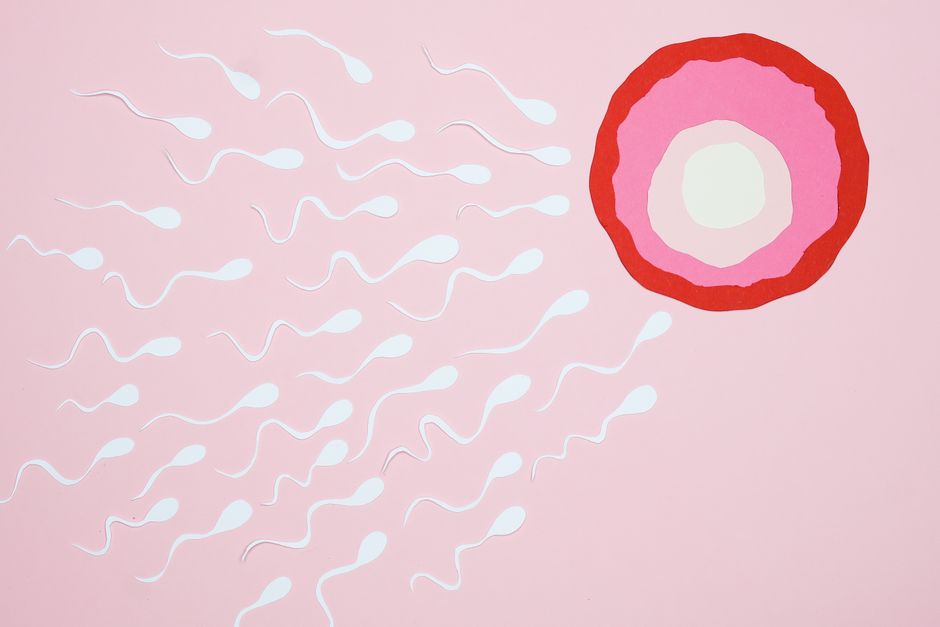
To get pregnant, sperm must travel from the vagina into the cervix, then through the uterus, and finally into the fallopian tubes where an egg may be waiting. The cervix is the narrow passage at the bottom of the uterus. Sperm enter the cervix by swimming through cervical mucus, which changes texture around ovulation to become thin and slippery, allowing sperm to pass through more easily. What stops sperm includes thick or hostile cervical mucus, a closed cervix (which is normal except during ovulation), anatomical blockages, and immune system cells that can attack sperm as foreign invaders.
What Exactly Happens When Sperm Reaches the Cervix?
The cervix is not always open. For most of a woman’s menstrual cycle, the cervix sits low and feels firm, like the tip of a nose. The opening is tiny and blocked by thick mucus. This is the body’s natural defense. It keeps bacteria and other things out of the uterus.
Around ovulation, things change. Estrogen levels rise. The cervix softens and lifts higher. The opening widens slightly. The mucus changes from thick and sticky to clear and stretchy, like raw egg whites. This is fertile cervical mucus. Research shows sperm can swim through this mucus easily. One study published in Human Reproduction found that sperm move faster and survive longer in fertile-quality mucus compared to non-fertile mucus.
Sperm do not just swim randomly. They follow chemical signals. The cervix releases chemicals that attract sperm. This process is called chemotaxis. It guides sperm toward the cervical opening and into the cervical canal.
How Does Sperm Enter the Cervix and What Stops It During Ovulation?
During ovulation, the cervix is designed to let sperm in. The cervical mucus forms channels that sperm can swim through. These channels act like tiny highways. Sperm that are healthy and shaped correctly can move through these channels quickly.
But even during ovulation, not all sperm make it. The cervix acts as a filter. It blocks sperm that are abnormal, slow, or damaged. Research published in the journal Fertility and Sterility found that only about 1 in 1,000 sperm that enter the vagina actually make it through the cervix. The rest are trapped in mucus or destroyed by the acidic environment of the vagina.
What stops sperm at the cervix even during ovulation includes:
- Poor sperm quality — sperm with low motility or abnormal shape struggle to swim through mucus
- Insufficient fertile mucus — some women do not produce enough egg-white mucus even when ovulating
- Antibodies in the mucus — some women produce immune cells that attack and kill sperm
- Anatomical issues — a tilted cervix or cervical scar tissue can block the path
What Happens When the Cervix Is Closed?
Outside of ovulation, the cervix is effectively closed. The mucus is thick and forms a plug. This plug blocks sperm from entering. It also blocks bacteria. This is why pregnancy can only happen during the fertile window, which is roughly 5-6 days each cycle.
Some women have what doctors call a “closed cervix” even during ovulation. This can happen due to scar tissue from previous surgeries, such as a cone biopsy or LEEP procedure. The American College of Obstetricians and Gynecologists notes that cervical stenosis, or a narrowed cervix, can make it difficult for sperm to enter. This is a known cause of infertility in some women.
There is also a condition called cervical factor infertility. This means the cervix itself is blocking sperm from passing through. It accounts for about 5-10% of infertility cases, according to the American Society for Reproductive Medicine. Treatments include intrauterine insemination (IUI), which places sperm directly into the uterus, bypassing the cervix entirely.





Does Cervical Mucus Quality Actually Matter?
Yes, and more than most people realize. Cervical mucus is not just a barrier. It is an active participant in fertility. The mucus nourishes sperm, provides energy, and protects sperm from the acidic environment of the vagina.
Without good cervical mucus, even healthy sperm may not get through. Some medications can affect mucus quality. Antihistamines dry up mucus throughout the body, including cervical mucus. Clomiphene citrate, a common fertility drug, can sometimes thicken cervical mucus, which may actually make it harder for sperm to enter.
Some women check their cervical mucus to track fertility. The texture changes are real and measurable. A 2017 study in Obstetrics & Gynecology found that women who tracked cervical mucus had higher pregnancy rates than those who did not. But the study also noted that mucus quality varies from cycle to cycle, even in healthy women.
What Role Do Contractions Play in Sperm Transport?
Sperm do not just swim. The uterus and cervix also help move them along. During sex and around ovulation, the uterus contracts. These contractions create suction that pulls sperm up through the cervix and into the uterus.
Research using ultrasound has shown that uterine contractions can move sperm-sized particles from the vagina into the uterus within minutes. This is much faster than sperm could swim on their own. Some studies suggest that orgasm may increase the strength and frequency of these contractions, though the evidence on whether this actually improves pregnancy rates is mixed.
What stops these contractions from helping? Stress hormones can reduce uterine contractions. So can certain medications like ibuprofen, which may interfere with the prostaglandins that trigger contractions. A 2013 study in Human Reproduction found that women who took NSAIDs around ovulation had slightly lower pregnancy rates, possibly due to reduced uterine activity.
How Do Doctors Test Whether Sperm Can Enter the Cervix?
There is a test called the postcoital test, or Sims-Huhner test. It is done a few hours after intercourse, usually around ovulation. A doctor takes a sample of cervical mucus and looks at it under a microscope. They count how many sperm are moving in the mucus.
This test used to be standard for infertility workups. But many fertility specialists no longer use it regularly. The evidence for its accuracy is weak. A 2000 review in the Cochrane Database of Systematic Reviews found no clear evidence that the postcoital test improves pregnancy outcomes. Some clinics still use it, but it is not considered essential.
If a problem is suspected, doctors may recommend IUI. This bypasses the cervix entirely. Sperm are washed and placed directly into the uterus using a thin catheter. The success rates for IUI vary, but it is a common first step for cervical factor infertility.
Frequently Asked Questions
How long does it take sperm to enter the cervix?
Sperm can enter the cervix within minutes of ejaculation if fertile cervical mucus is present. The fastest sperm may reach the cervix in under 5 minutes.
Can sperm enter the cervix without ovulation?
It is very difficult for sperm to enter the cervix outside the fertile window because the mucus is thick and blocks the opening. Pregnancy is unlikely but not impossible if ovulation timing is off.
Does cervical mucus stop abnormal sperm?
Yes, cervical mucus acts as a filter that traps sperm with poor shape or low motility. Only healthy, swimming sperm can pass through the mucus channels.
What medications affect sperm entry into the cervix?
Antihistamines, some fertility drugs like clomiphene, and NSAIDs like ibuprofen can thicken cervical mucus or reduce uterine contractions, potentially making it harder for sperm to enter.
