
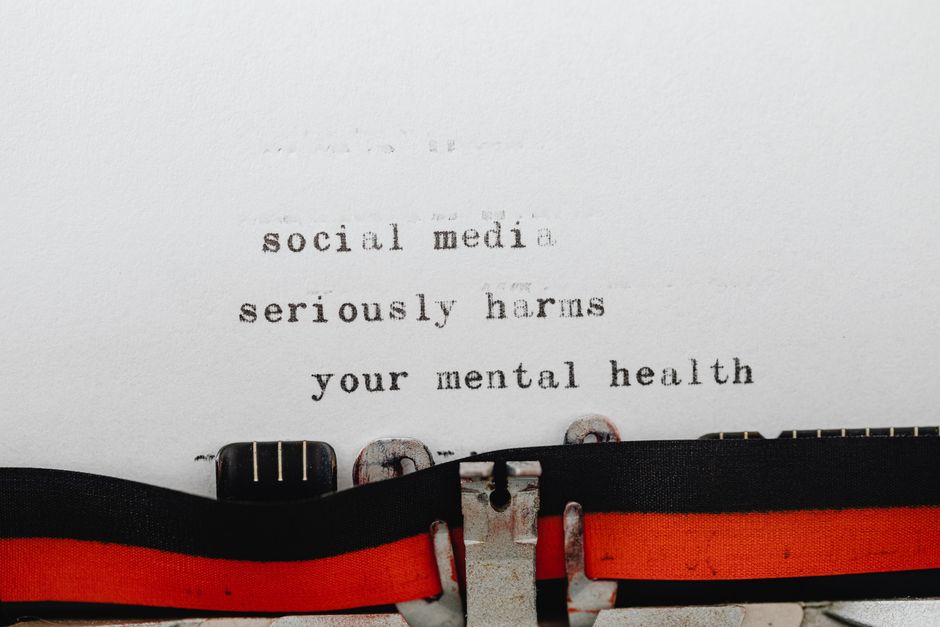
Social media can harm mental health through several well-documented pathways: it displaces sleep and in-person contact, it drives upward social comparison, it rewards outrage and compulsive checking, and it exposes people to harassment. None of this means social media is always harmful. The effect depends heavily on what you use, how much, and what it is replacing.
That distinction matters. Researchers have moved away from asking whether social media is bad and toward asking who is most affected and under what conditions. The answers are more useful than a simple verdict.
How Does Social Media Negatively Affect Mental Health?
The clearest harms come from what heavy use displaces and what it exposes people to. Sleep is the most direct casualty. Screens emit light and hold attention, and late-night scrolling pushes bedtime later. Sleep loss is a well-established contributor to low mood, irritability, and anxiety, so any habit that shortens sleep carries real risk.
In-person contact is the second casualty. Time spent scrolling is time not spent with friends, family, or in physical activity. Face-to-face relationships and movement both have strong evidence behind them for protecting mood. When they shrink, mental health tends to suffer.
The third pathway is comparison. Social feeds present edited highlights of other people’s lives. Viewers compare their ordinary reality to these curated moments. Research on social comparison consistently links this habit to lower mood and body dissatisfaction, particularly among younger users.
The fourth is design. Platforms are built to hold attention. Notifications, infinite scrolling, and engagement metrics encourage repeated checking. For some people this becomes compulsive and interferes with work, study, and rest.
Harassment and exposure to upsetting content round out the list. Being targeted online is associated with distress, and the evidence here is fairly consistent across studies.
Why Does Social Comparison on Social Media Hurt So Much?
Comparison is a normal human habit. Social media amplifies it in ways that are hard to escape. Humans have always judged themselves against others, but the reference group used to be small: neighbors, classmates, coworkers. Feeds widen that group to everyone, and they show only the best moments.
The result is a distorted benchmark. A person scrolling sees vacations, promotions, and polished photos, not the arguments, boredom, and bad days behind them. This is sometimes called the highlight reel effect, and it is not a metaphor. The content genuinely is selected and edited.
Two types of comparison behave differently. Upward comparison is measuring yourself against people who seem better off. It tends to lower mood. Downward comparison is measuring against people who seem worse off. It can briefly lift mood but does not build lasting contentment.
Body image is where the evidence is strongest. Studies of adolescents and young adults have found associations between heavy image-focused platform use and body dissatisfaction, especially for young women. The relationship is consistent enough that researchers treat it as a real concern rather than a coincidence.
What Does the Research Actually Show About Social Media and Depression?
The evidence is mixed, and honest reporting should say so. Many studies find associations between heavy social media use and symptoms of depression and anxiety. Fewer studies can prove that social media causes these symptoms.
This is the correlation-versus-causation problem, and it is not a technicality. People who are already depressed may use social media more. They may withdraw from other activities and spend more time online. In that case the platform is a marker, not the cause.
Some of the strongest evidence comes from studies that follow people over time rather than measuring them once. Several of these have found that heavier use predicts later increases in depressive symptoms, at least in adolescents. The effects tend to be small, and they vary by person and platform.
One useful clarification: the amount of time matters less than researchers once assumed. How people use social media appears to matter more than how long they use it. Passive scrolling, meaning browsing without interacting, has been linked to worse outcomes than active use such as messaging friends or joining conversations.
No large trial has randomly assigned people to quit social media for years and tracked their mental health. That kind of study is difficult to run. The evidence base is therefore built from observational and short-term studies, which limits how firmly any conclusion can be stated.
How Does Social Media Affect Sleep and Anxiety?
Sleep disruption is one of the most reliable mechanisms linking social media to poor mental health. The link between poor sleep and anxiety or low mood is well established in clinical research. Social media interferes with sleep in two ways.
The first is delayed bedtime. Feeds are designed to keep people scrolling, and the decision to stop is easy to postpone. Going to bed later shortens sleep, and short sleep is linked to irritability, lower stress tolerance, and worse mood.
The second is mental activation. Emotional content, arguments, and upsetting posts can leave the mind alert at exactly the moment it needs to wind down. Checking notifications during the night fragments sleep further.
Anxiety has its own loop. Notifications create a low-level expectation of something arriving. For some people this becomes a habit of checking for reassurance, and reassurance-seeking tends to increase anxiety over time rather than settle it. The platform becomes a place people go to feel better and leave feeling more on edge.
Who Is Most at Risk From Social Media?
Adolescents and young adults appear most vulnerable. Their sense of identity and social standing is still forming, and peer approval carries unusual weight during these years. Research on this age group has found the most consistent associations between heavy social media use and mental health symptoms.
People who already struggle with anxiety, depression, or body image concerns may also be more affected. For them, social media can reinforce existing patterns rather than create new ones.
People who use social media to compare themselves with others, or who scroll passively for long stretches, seem to fare worse than those who use it to connect with people they know. Being targeted by harassment is another clear risk factor.
Age alone does not determine risk. Some adults use social media heavily with no obvious harm. Others find it steadily erodes their mood. The difference often comes down to what the platform is replacing and how the person feels after using it.
Is Social Media Always Bad for Mental Health?
No. The evidence does not support that claim, and it is worth stating plainly. Social media can reduce isolation for people who are housebound, connect people with shared conditions or interests, and help families stay in touch across distance.
Active use tends to look different from passive use. Messaging a friend, participating in a group, or sharing something meaningful is not the same as scrolling through a feed for an hour. Studies that separate these behaviors generally find active use is less harmful and sometimes beneficial.
The honest summary is that social media is a tool with real risks and real benefits. The risks are concentrated in certain patterns: late-night use, passive scrolling, comparison-driven use, and harassment. Addressing those patterns is more useful than treating the platform as either harmless or toxic.
What Practical Steps Can Reduce the Harm?
Small, specific changes tend to work better than dramatic ones. The evidence for any single strategy is limited, so these are reasonable steps rather than proven treatments.
- Keep screens out of the bedroom and stop use well before bedtime. Protecting sleep is one of the most direct ways to protect mood.
- Turn off non-essential notifications. Fewer prompts mean fewer interruptions and less compulsive checking.
- Notice how you feel after using a platform. If you consistently feel worse, that is useful information.
- Mute or unfollow accounts that trigger comparison or distress. Curating a feed is a legitimate way to reduce exposure.
- Choose active use over passive scrolling when possible. Messaging people you know is a different activity from browsing a feed.
- Replace some screen time with in-person contact or movement. Both have stronger evidence for supporting mood than any screen-based strategy.
If social media use is tangled up with low mood, anxiety, or compulsive checking that feels out of control, talking to a doctor or mental health professional is a sensible step. These are treatable concerns, and professional support is more reliable than self-management alone.
Frequently Asked Questions
How much social media use is considered too much?
There is no official threshold, because research suggests how you use social media matters more than the total time. A better guide is whether use is displacing sleep, in-person contact, or work, and whether you feel worse afterward.
Does social media cause depression?
The evidence is mixed, and much of it shows association rather than proof of cause. Some studies that follow people over time suggest heavy use predicts later depressive symptoms, especially in adolescents, but the effects tend to be small.
Why does scrolling make me feel worse?
Passive scrolling exposes you to edited highlights of other people’s lives, which invites upward comparison and can lower mood. It also tends to displace sleep and in-person contact, both of which protect mental health.
Should I quit social media entirely?
Quitting is not necessary for everyone, and the evidence does not show it is required. Reducing passive scrolling, protecting sleep, and curating your feed are reasonable first steps, and professional support helps if use feels compulsive.
