
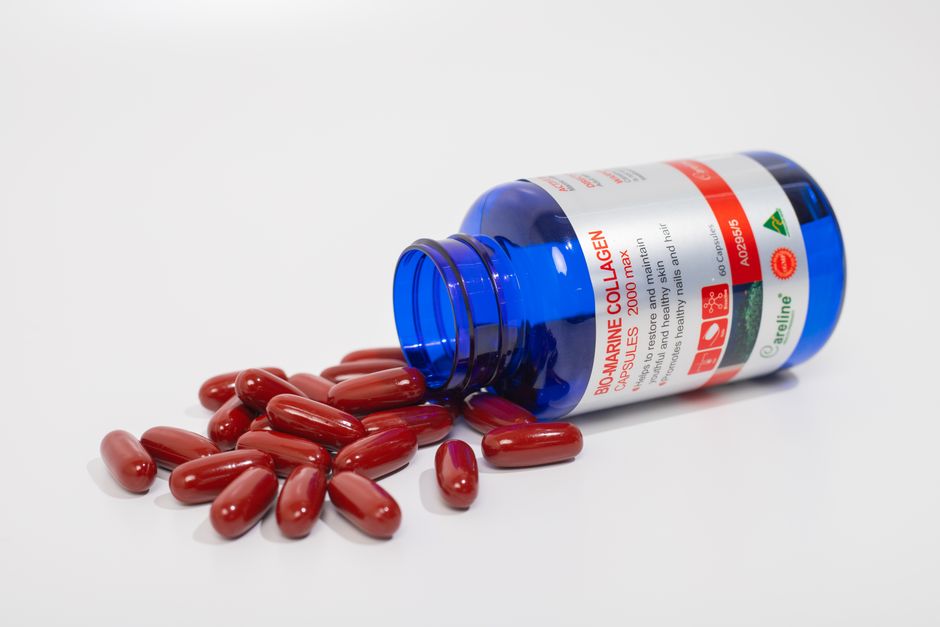
SkinnyFit is a brand that sells a range of powders, capsules, and drink mixes. Its most heavily promoted products — SkinnyFit Detox, SkinnyFit Collagen, and SkinnyFit Super Youth — combine ingredients like green tea caffeine, hydrolyzed collagen peptides, and fiber or fruit extracts. The short answer to how they “work” is this: the caffeine in these products is a stimulant with well-documented effects, the collagen provides amino acids your body breaks down and uses like any dietary protein, and the “detox” or weight-loss framing is marketing language, not a description of a proven mechanism. No SkinnyFit product has been shown in published clinical trials to cause lasting weight loss or to reverse skin aging.
What Is Actually Inside These Products?
SkinnyFit sells several distinct products, and lumping them together hides the fact that they do different things. The main categories are a “detox” drink mix, a collagen powder, and a beauty-focused collagen blend sold under the Super Youth name.
The detox line typically lists green tea leaf extract, sometimes guarana, and a mix of fruit and botanical powders. Green tea and guarana both contain caffeine. The collagen products list hydrolyzed collagen peptides, often types I and III, sometimes with added vitamin C, biotin, or hyaluronic acid.
Two things matter here. First, caffeine is a real active compound with measurable effects. Second, “detox” is not a medical term with a defined meaning on a supplement label. Your liver and kidneys handle waste removal continuously. No powdered drink has been shown to improve that process in a healthy person.
How Does the Caffeine in SkinnyFit Actually Affect Your Body?
Caffeine is a stimulant that blocks adenosine, a molecule that builds up in your brain across the day and makes you feel sleepy. By blocking it, caffeine reduces perceived fatigue and can increase alertness. This is well established and not in dispute.
Caffeine also slightly raises metabolic rate and can modestly increase fat oxidation. That part is real too. The problem is scale. The effect on daily calorie burn is small, and the body tends to adapt with regular use. A cup of coffee produces a similar effect to most caffeinated supplement blends.
What caffeine does not do is cause meaningful, sustained weight loss on its own. Some studies suggest caffeine may slightly reduce appetite in the short term. That is not the same as changing body weight over months.
One practical point people often miss: caffeine tolerance develops quickly. The alertness boost you feel in week one is often noticeably weaker by week three at the same dose.
How Much Caffeine Is in These Products?
Amounts vary by product and flavor, so check the label rather than assuming. For context, the FDA has generally recognized 400 mg per day as an amount not associated with dangerous effects in healthy adults. That is roughly four 8-ounce cups of brewed coffee.
People who are pregnant, breastfeeding, or taking certain medications should talk to a clinician about caffeine limits, because general adult guidance does not apply to them.
Does Collagen in SkinnyFit Do Anything?
Collagen is a protein. When you swallow it, your digestive system breaks it into amino acids and short peptides. Those building blocks then go wherever your body needs protein — which is not necessarily your skin, joints, or nails.
This is the part most marketing skips. Eating collagen does not automatically become collagen in your face. Your body does not know the difference between collagen peptides and the amino acids from eggs, chicken, or beans once digestion is complete.
That said, some research suggests hydrolyzed collagen peptides may have effects beyond simple nutrition. A number of small trials have reported improvements in skin elasticity or joint comfort with collagen supplementation. The evidence is mixed, sample sizes tend to be small, and several studies were industry-funded. Results vary, and independent replication is limited.
What is fair to say: collagen is a safe protein source for most people, and there is some evidence it may help skin and joints. What is not fair to say: it is proven to reverse aging or produce visible results in everyone.



What About the “Detox” and Weight Loss Claims?
There is no clinical evidence that SkinnyFit Detox removes toxins, flushes fat, or causes weight loss beyond what any low-calorie drink would do. The word “detox” on a supplement label is not regulated in the way drug claims are.
Some of these products contain fiber or herbal ingredients that can cause a laxative effect. If you notice more frequent bathroom trips in the first few days, that is likely why. Losing water weight through a laxative effect is not fat loss, and it reverses as soon as you rehydrate.
Any short-term weight change from a drink mix usually comes from one of three things: reduced calorie intake because you replaced a higher-calorie drink, water loss, or a placebo effect from feeling like you started something. None of those are the product “working” in the way the marketing implies.
Is There Any Harm in Taking These Products?
For most healthy adults, the caffeine and collagen in these products are unlikely to cause serious harm at typical doses. That is a general statement, not a guarantee for every person or product.
Caffeine is the main thing to watch. Too much can cause jitteriness, rapid heartbeat, trouble sleeping, and digestive upset. People with heart conditions, anxiety disorders, or sensitivity to stimulants should be cautious. Combining a caffeinated supplement with coffee, energy drinks, or pre-workout powders can push total intake higher than intended without you realizing it.
Collagen is generally well tolerated. Some people report bloating or mild stomach upset. People with allergies to the source material — often bovine or marine — should avoid it.
If you take prescription medication, are pregnant or breastfeeding, or have a chronic condition, check with a clinician before adding any supplement. That is standard advice, not a formality.
What Would Actually Move the Needle?
If the goal is weight management or better skin, the interventions with the strongest evidence are unglamorous. Sustained calorie balance, regular movement, adequate sleep, and sun protection do more than any powder.
For skin specifically, broad-spectrum sunscreen and not smoking have far more support than any oral collagen product. For weight, the evidence consistently favors lasting changes in eating patterns and activity over short-term supplement use.
That does not mean collagen or caffeine are useless. It means the effect sizes are modest, and the marketing around them is not calibrated to the evidence.
How Does SkinnyFit Work Caffeine Collagen More — Putting It Together
The honest summary is that these products work through two ordinary mechanisms and one marketing one. Caffeine is a stimulant that reduces fatigue and slightly raises metabolism. Collagen is protein that may modestly support skin and joints in some people, based on mixed evidence. The “detox” and rapid weight loss promises rest on no clinical evidence at all.
If you enjoy the taste, tolerate caffeine well, and want a convenient protein source, there is little reason to fear these products. If you are buying them expecting transformation, the evidence does not support that expectation.
Frequently Asked Questions
Does SkinnyFit actually help you lose weight?
No published clinical trials show SkinnyFit causes lasting weight loss. Any short-term change is usually from reduced calories, water loss, or placebo effect rather than the product itself.
Is the caffeine in SkinnyFit the same as coffee?
Yes, it is the same compound, typically from green tea or guarana rather than coffee beans. The effects on alertness and metabolism are the same regardless of the source.
Can collagen powder really improve your skin?
Some small studies suggest hydrolyzed collagen may improve skin elasticity, but the evidence is mixed and several trials were industry-funded. It is not proven to reverse aging.
Is SkinnyFit safe to take every day?
For most healthy adults, the caffeine and collagen at typical doses are unlikely to cause serious harm. People who are pregnant, breastfeeding, or taking medication should check with a clinician first.
