
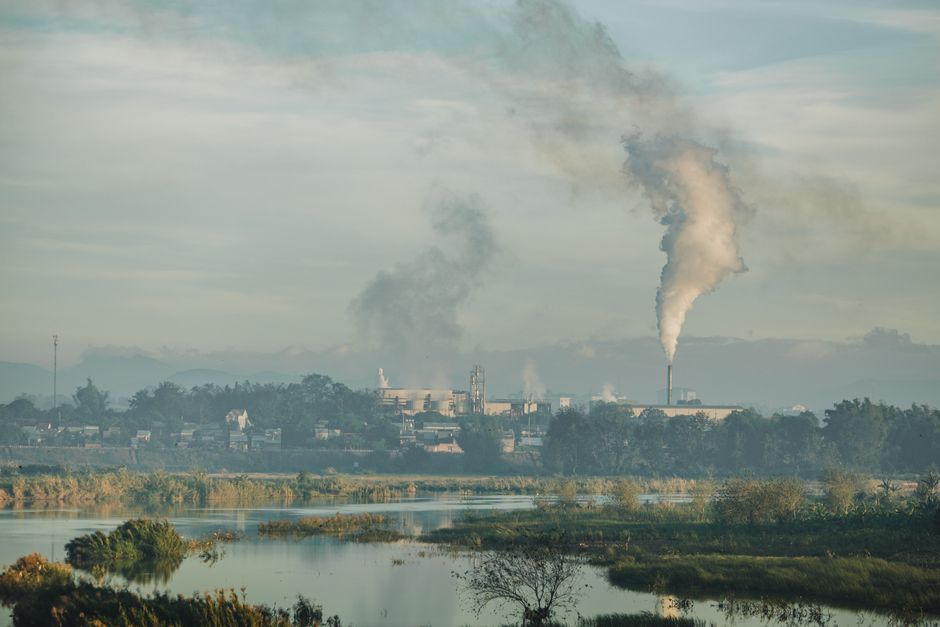
Pollution is one of the most direct ways human activity harms the natural world. From the air we breathe to the water in our rivers and the soil beneath our feet, contaminants can poison plants, kill animals, and destroy entire ecosystems. The impact on biodiversity — the variety of life on Earth — is severe. Pollution can wipe out sensitive species, disrupt food chains, and make habitats unlivable for generations.
How does pollution directly harm plants and animals?
Pollution damages living things in two main ways: acute poisoning and chronic harm. Acute poisoning happens when a single large dose of a toxin kills an organism quickly. Chronic harm occurs from long-term exposure to lower levels of pollution, which can weaken immune systems, reduce reproduction, and shorten lifespans.
For example, heavy metals like mercury and lead build up in animal tissues. Fish that swim in contaminated water can accumulate mercury in their bodies. When larger fish, birds, or humans eat those fish, the mercury moves up the food chain and reaches dangerous levels — a process called bioaccumulation. This is well documented in marine ecosystems.
Airborne toxins like sulfur dioxide and nitrogen oxides can damage the leaves of trees, reducing their ability to photosynthesize. This weakens the tree and makes it more vulnerable to disease and pests. Over time, forests that are repeatedly exposed to such pollution lose tree diversity and can even collapse.
How does pollution disrupt food chains and ecosystems?
Every ecosystem depends on a web of interactions. When pollution removes one species, it can cause a cascade effect. For instance, if pesticides kill the insects that birds eat, bird populations decline. Fewer birds mean more insects survive — but those insects may be the same ones that pollinate plants or decompose waste. The balance shifts in ways that are hard to predict.
Water pollution from agricultural runoff — fertilizers and animal waste — can trigger algal blooms. These blooms consume oxygen in the water as they decay, creating “dead zones” where fish and other aquatic life cannot survive. The Gulf of Mexico has a large dead zone each year caused by nutrient pollution from the Mississippi River. This directly reduces fish biodiversity in that region.
Pollution can also change the physical structure of habitats. Acid rain from industrial emissions lowers the pH of soil and water, making it harder for some plants and animals to survive. Lakes that become too acidic lose their fish populations entirely. The entire food web collapses, from plankton to predators.
How does air pollution affect biodiversity?
Air pollution affects biodiversity far from the source of emissions. Sulfur dioxide and nitrogen oxides mix with water vapor in the atmosphere to form acid rain. Acid rain falls on forests, lakes, and soils, leaching essential nutrients like calcium and magnesium from the ground. This stresses trees and makes them more vulnerable to disease.
Ground-level ozone, a component of smog, damages plant tissues and reduces crop yields. Some tree species are more sensitive to ozone than others, meaning that air pollution can shift which species dominate a forest. This loss of species diversity weakens the ecosystem’s resilience to other stresses like drought or pests.
Particulate matter — tiny particles from vehicle exhaust, factory smoke, and dust — can coat leaves and block sunlight. This reduces photosynthesis and slows plant growth. Animals that rely on those plants for food or shelter are then affected as well.



How does water pollution affect biodiversity?
Water pollution comes from many sources: industrial discharge, agricultural runoff, sewage, oil spills, and plastic waste. Each type of pollution harms aquatic life in different ways.
Chemical pollutants like heavy metals, pesticides, and pharmaceutical residues can directly poison fish, amphibians, and invertebrates. Some chemicals act as endocrine disruptors, interfering with the hormones that control reproduction and development. This can lead to deformed offspring, reduced fertility, and population declines.
Nutrient pollution, mainly nitrogen and phosphorus from fertilizers, causes eutrophication. Algae grow out of control, and when they die, their decomposition consumes dissolved oxygen. Fish and shellfish suffocate. The United Nations Environment Programme has called nutrient pollution one of the most widespread threats to coastal and freshwater biodiversity worldwide.
Oil spills are catastrophic in the short term. Oil coats the feathers of seabirds and the fur of marine mammals, destroying their insulation and buoyancy. Many animals die from hypothermia or poisoning. Even after cleanup, residual oil can persist in sediments for years and continue to harm bottom-dwelling organisms.
How does soil and chemical pollution affect biodiversity?
Soil pollution is less visible than air or water pollution but equally damaging. Pesticides, herbicides, and industrial chemicals can kill beneficial soil organisms like earthworms, bacteria, and fungi. These organisms are essential for decomposing organic matter, cycling nutrients, and maintaining soil structure. Without them, the soil becomes less fertile and more prone to erosion.
Heavy metals like lead, cadmium, and arsenic can remain in soil for decades. Plants growing in contaminated soil absorb these metals, which then enter the food chain. Herbivores that eat those plants accumulate the toxins, and predators that eat the herbivores accumulate even more. Top predators — birds of prey, wolves, humans — can suffer the highest levels of poisoning.
Some chemical pollutants, called persistent organic pollutants (POPs), take many years to break down. They travel long distances through air and water, reaching remote areas like the Arctic where they build up in animal fat. Indigenous communities that rely on traditional foods like seal or whale are exposed to these pollutants through their diet.
How does plastic pollution harm wildlife?
Plastic pollution is a growing threat to biodiversity, especially in oceans. Large plastic items like fishing nets can entangle marine mammals, turtles, and seabirds, causing injury or drowning. Microplastics — tiny fragments less than 5 millimeters — are ingested by fish, shellfish, and even plankton.
Once inside an animal, microplastics can cause physical damage to digestive tracts and release chemical additives like bisphenol A (BPA), which is an endocrine disruptor. Some studies suggest that microplastics can also carry other pollutants on their surface, acting like a sponge for toxins. When a fish eats microplastics, it also ingests those attached chemicals.
The full long-term effects of microplastic ingestion on biodiversity are still being studied. But early evidence shows that microplastics can reduce growth and reproduction in some species. They also transfer up the food chain to predators, including humans.
How does noise and light pollution affect species?
Not all pollution is chemical. Noise pollution from ships, sonar, construction, and traffic interferes with communication among animals. Whales and dolphins rely on sound to navigate, find food, and socialize. Underwater noise can disrupt these behaviors, causing whales to strand or fail to reproduce. Birds that sing to attract mates or defend territory have trouble hearing each other in noisy areas, which reduces their breeding success.
Light pollution from streetlights, buildings, and billboards confuses nocturnal animals. Sea turtle hatchlings use moonlight to find the ocean, but bright lights on shore lead them inland to die. Migrating birds that navigate by stars can collide with illuminated buildings. Insects that are attracted to artificial lights often get killed by exhaustion or predators, reducing food for bats and birds.
These forms of pollution are less studied than chemical pollution, but the evidence is clear that they contribute to biodiversity loss in many regions.
Frequently Asked Questions
What type of pollution is most harmful to biodiversity?
No single type is most harmful; it depends on the ecosystem. However, nutrient pollution from agricultural runoff and plastic pollution in oceans are among the most widespread and damaging.
How does air pollution affect biodiversity?
Air pollution damages plants through acid rain and ground-level ozone, reducing growth and making forests less diverse. It also harms animal health through respiratory issues and by contaminating their food sources.
Can pollution cause a species to go extinct?
Yes. Pollution has contributed to the decline and extinction of many species, especially those with small populations or limited ranges. For example, acid rain has eliminated fish species from some lakes entirely.
How does plastic pollution kill animals?
Animals can die from entanglement in plastic debris, or from ingesting plastic that blocks their digestive system. Microplastics also carry toxic chemicals that poison animals over time.
