
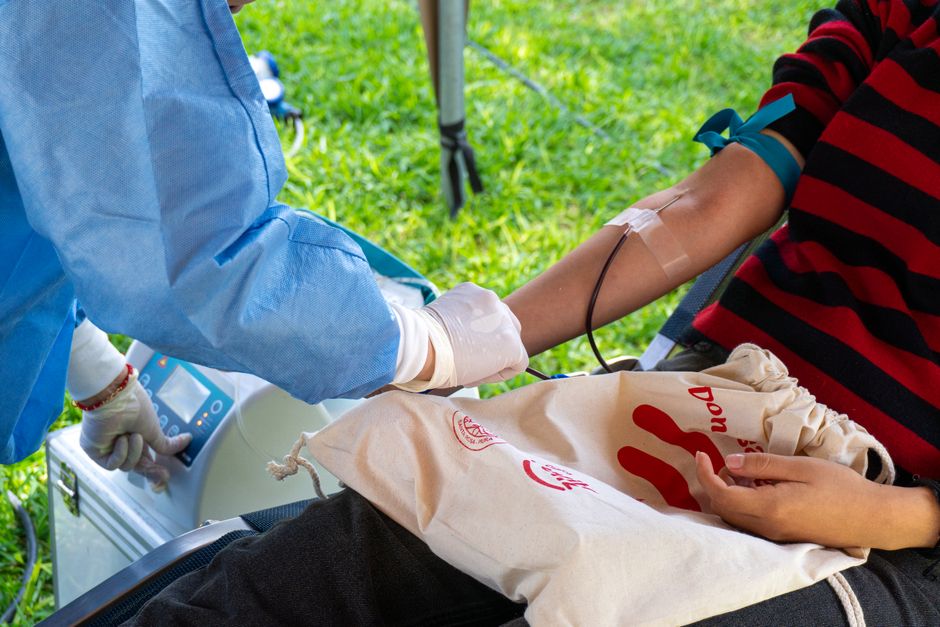
Plasma donation works by separating the liquid part of your blood from your blood cells, keeping the plasma, and returning the cells to your body. A machine draws a small amount of blood, spins it in a centrifuge to split the layers, collects the yellowish plasma, and sends the red cells and platelets back through the same needle. The whole process usually takes about 45 minutes to an hour longer than a standard whole-blood donation.
Plasma is about 55% of your blood volume. It is mostly water, but it also carries proteins that clot blood, fight infection, and maintain fluid balance. Those proteins are why plasma is used to make therapies for people with immune deficiencies, bleeding disorders, and other serious conditions. Here is how the process actually works, what it feels like, and what the evidence says about risks and recovery.
What Is Plasma and Why Do People Donate It?
Plasma is the straw-colored fluid that carries your blood cells, nutrients, hormones, and proteins. It is roughly 90% water. The remaining 10% includes albumin, clotting factors, and antibodies called immunoglobulins.
Those proteins are the reason plasma is collected. Plasma from donors is used to manufacture treatments for people with conditions like hemophilia, primary immune deficiency, and certain autoimmune and neurological disorders. Some plasma is also transfused directly to patients with severe bleeding or liver failure.
Donated plasma is frozen and sent to a manufacturing facility, where proteins are separated and purified. It can take many donations to produce a single dose of some therapies. That is why plasma donation is often in steady demand.
How Does Plasma Donation Work Step by Step?
The process is called plasmapheresis. The word breaks down into “plasma” and “apheresis,” which means separating out a specific component of blood.
Here is what happens during a typical session:
- A phlebotomist inserts a needle into a vein in your arm, usually in the inner elbow.
- Blood flows through tubing into a machine that spins it in a centrifuge.
- The centrifuge separates plasma from red blood cells and platelets based on weight.
- The plasma is collected into a bag. The cells are mixed with a small amount of saline or anticoagulant solution.
- The cells are returned to you through the same needle.
The draw-and-return cycle repeats several times during one session. You may feel a cool sensation in your arm as fluids return. That is normal.
One thing that surprises many first-time donors: the needle stays in the whole time. You are not stuck repeatedly. The machine simply reverses flow to return your cells.
How Long Does Plasma Donation Take?
Plan for about 90 minutes to 2 hours from arrival to leaving. The actual collection usually takes 45 minutes to an hour, but screening, paperwork, and a health check add time. First-time donors should expect longer.
Collection time depends on your body weight, hydration level, and vein quality. The machine is calibrated to collect a specific volume based on your weight. Lighter donors typically have shorter sessions.
Many donation centers require you to stay for a short observation period after the needle is removed. This is to make sure you are not lightheaded before you drive or leave.
Who Can Donate Plasma?
Eligibility rules vary by center and by country, but common requirements include being at least 18 years old, weighing at least 110 pounds, and being in generally good health. Some centers set a higher minimum weight.
You will usually need to provide identification and proof of address. You will also complete a health questionnaire and a brief physical check that includes blood pressure, pulse, temperature, and a finger-stick test for protein levels and hemoglobin.
Some people are deferred temporarily. Common reasons include recent illness, recent travel to certain areas, recent tattoos or piercings, and some medications. Permanent deferrals can apply to people with certain infectious diseases or specific medical histories.
If you are unsure whether you qualify, call the center before you go. Rules change, and staff can tell you exactly what applies to your situation.
Is Plasma Donation Safe?
Plasma donation is considered safe for most healthy adults when performed at a licensed, regulated center. Sterile, single-use equipment is standard, so the risk of catching an infection from the process is extremely low.
The most common side effects are minor:
- Lightheadedness or dizziness, especially if you have not eaten or drank enough
- Bruising or soreness at the needle site
- Fatigue after the session
- A cool or tingling sensation from the anticoagulant used during the process
Less common but more serious risks include fainting, which can lead to injury from a fall, and citrate reactions. Citrate is the anticoagulant added to keep blood from clotting in the tubing. It can cause tingling around the mouth or fingers. Staff are trained to recognize and manage this, usually by slowing the return rate.
Because plasma is replaced by your body relatively quickly, most people can donate more often than they can give whole blood. In the United States, plasma donors can typically donate up to twice in a seven-day period, with at least one day between donations. Whole-blood donors must usually wait eight weeks between donations. The difference is because whole blood removes red cells, which take weeks to rebuild, while plasma is mostly water and protein that the body replaces faster.
That said, frequent plasma donation does place demands on your body’s protein stores. Donation centers monitor protein levels at each visit. If your protein drops too low, you will be deferred temporarily. Follow the center’s guidance on frequency.
What Should You Do Before and After Donating?
Preparation matters more than most people expect. Being well hydrated and well fed makes the process smoother and reduces the chance of feeling faint.
Before donating:
- Drink plenty of water in the 24 hours before your appointment
- Eat a normal meal within a few hours of donating, ideally with some protein
- Avoid alcohol in the hours before donating
- Get a good night’s sleep
After donating:
- Keep the bandage on for the time the center advises
- Drink extra fluids for the rest of the day
- Avoid strenuous exercise or heavy lifting for the rest of the day
- Stand up slowly to reduce dizziness
If you feel faint, sit or lie down immediately and raise your legs. Tell someone nearby. Do not try to push through it.
Does Plasma Donation Pay?
In the United States, many plasma collection centers pay donors. This is different from whole-blood donation through organizations like the American Red Cross, which generally does not pay donors. Payment amounts vary by center, donation frequency, and promotions.
The reason payment is common for plasma is practical. Plasma collection takes longer than whole-blood donation and requires more frequent visits to supply the manufacturing demand for plasma-derived therapies. Centers pay to encourage regular donation.
Payment rules differ by country. In some countries, paying donors for plasma is restricted or not allowed. Check the rules where you live.
How Often Can You Donate Plasma?
In the US, plasma donors can typically donate up to twice in a seven-day period, with at least one day between donations. This is more frequent than whole-blood donation because plasma is replaced faster than red blood cells.
Your body replaces plasma volume within about 24 to 48 hours. Plasma proteins take longer, usually a few days to a couple of weeks depending on the protein. This is why centers check your protein levels at every visit and defer you if they drop too low.
Follow the specific schedule your center gives you. Donating more often than recommended is not a shortcut to more payment. It can lead to low protein levels and temporary deferral.
What Happens to Your Plasma After Donation?
Your plasma is frozen shortly after collection and shipped to a manufacturing facility. There, it is thawed, pooled with plasma from many other donors, and processed to separate specific proteins.
The proteins are purified, treated to reduce the risk of transmitting infectious agents, and formulated into therapies. Albumin, clotting factor concentrates, and intravenous immunoglobulin are among the products made from donated plasma.
Some plasma is used directly for transfusion rather than manufacturing. That plasma is typically used for patients with severe bleeding, liver disease, or certain clotting problems.
Does Plasma Donation Have Any Long-Term Effects?
For healthy adults who follow donation guidelines, plasma donation is not known to cause long-term harm. Research on frequent donors has not found consistent evidence of lasting damage to health.
Some studies suggest frequent donors can have lower immunoglobulin levels, which is why protein monitoring matters. Centers typically track this and adjust donation frequency if needed. The evidence on long-term effects in very frequent donors is still limited, and more research would help clarify the picture.
If you have a chronic health condition or take regular medications, talk to your doctor before donating. Some conditions and medications affect eligibility, and your doctor can advise you based on your specific situation.
Frequently Asked Questions
How does plasma donation work?
A machine draws your blood, spins it to separate plasma from your blood cells, keeps the plasma, and returns the cells to your body. The cycle repeats several times during one session.
How long does plasma donation take?
Plan for about 90 minutes to 2 hours total, with the actual collection usually taking 45 minutes to an hour. First-time visits take longer because of screening.
Can you donate plasma twice a week?
In the US, plasma donors can typically donate up to twice in a seven-day period with at least one day between donations. Your center will confirm the schedule that applies to you.
Does plasma donation hurt?
You feel a brief pinch when the needle goes in, and some soreness or bruising afterward is common. The process itself is usually not painful, though some people feel a cool sensation when fluids return.
