
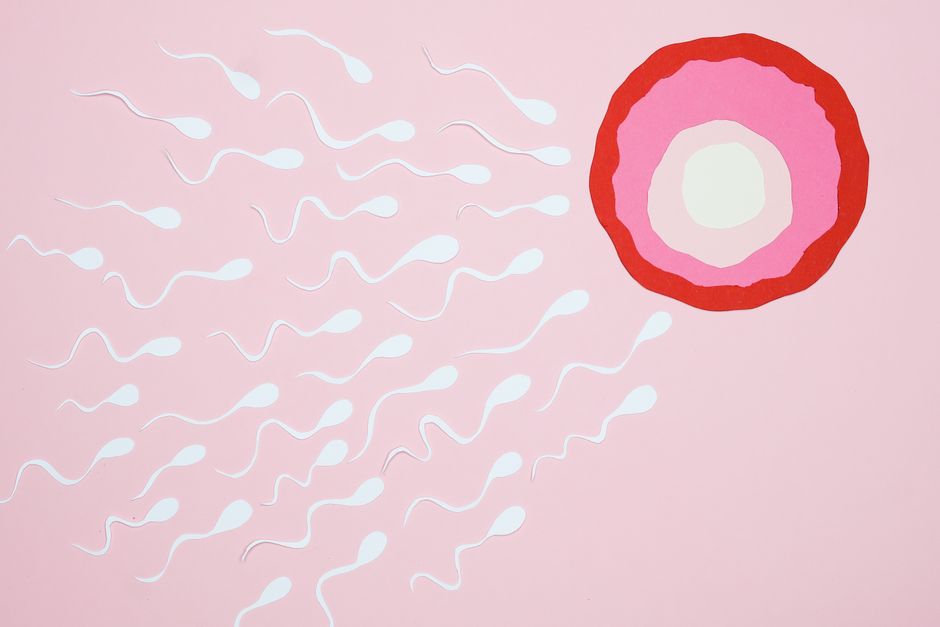
Ovulation is the release of a mature egg from one of the ovaries, usually once per menstrual cycle. It happens when a surge in a hormone called luteinizing hormone (LH) triggers the follicle holding the egg to rupture. The egg then travels into the fallopian tube, where it can be fertilized for roughly 12 to 24 hours after release.
That short window is why timing matters so much for anyone trying to conceive or avoid pregnancy. The biology is well understood. The tricky part is that the signs of ovulation are subtle, and many common beliefs about timing are only partly true.
How Does Ovulation Work?
Ovulation is the midpoint event of a cycle that is driven by a conversation between the brain and the ovaries. The process starts in the hypothalamus and pituitary gland, which sit at the base of the brain and release hormones that direct the ovaries.
At the start of a cycle, follicle-stimulating hormone (FSH) prompts a group of small follicles in the ovary to grow. One usually becomes dominant. As it grows, it produces estrogen. When estrogen reaches a high enough level for long enough, it flips a switch in the brain: instead of suppressing LH, it triggers a sharp surge of it. That surge, roughly 24 to 36 hours before the egg is released, is what causes the follicle to rupture.
The ruptured follicle then becomes a structure called the corpus luteum, which produces progesterone. That hormone prepares the lining of the uterus for a possible pregnancy. If no pregnancy occurs, the corpus luteum breaks down, progesterone falls, and a period follows.
One detail that surprises many people: the two ovaries do not take turns in a strict schedule. Ovulation can come from either side in any given cycle, and which side it happens on is not predictable.
When Does Ovulation Happen in a Cycle?
In a textbook 28-day cycle, ovulation happens around day 14. That number is real but it is an average, not a rule. Cycle length varies widely between people, and ovulation timing varies with it.
The more reliable pattern is this: the second half of the cycle, from ovulation to the next period, is fairly consistent for most people at around 12 to 14 days. The first half is the part that stretches and shrinks. So a person with a 32-day cycle typically ovulates later than day 14, and a person with a 24-day cycle typically ovulates earlier.
This is why calendar math based on a 28-day assumption fails for many people. If your cycles are irregular, the day-14 rule may be off by a week or more.
What Are the Signs of Ovulation?
There is no single reliable body signal that confirms ovulation. Several signs correlate with it, but each one on its own is imperfect. Used together, they give a better picture.
- Cervical mucus changes. Around ovulation, mucus becomes clearer, wetter, and stretchier, similar to raw egg white. This is one of the more useful signs, though it takes practice to recognize.
- Basal body temperature shift. Resting temperature rises slightly, typically by a few tenths of a degree Fahrenheit, after ovulation. This confirms ovulation after the fact. It cannot predict it.
- Mittelschmerz. Some people feel a one-sided twinge or ache around ovulation. It is real but not universal.
- LH test strips. These detect the hormone surge in urine and can predict ovulation roughly a day or so ahead. They work well for many people but can miss the surge or give confusing results, especially with conditions like polycystic ovary syndrome (PCOS).
The basal body temperature point is worth stating plainly, because it is often misunderstood. A temperature rise tells you ovulation likely happened. It does not tell you it is about to happen, so it is not a tool for timing intercourse in the current cycle. It is more useful for confirming that a cycle was ovulatory.
What Is the Fertile Window?
The fertile window is the span of days when pregnancy is possible, and it is longer than most people assume. Sperm can survive in the reproductive tract for up to about five days. The egg survives for roughly 12 to 24 hours after release.
That means the days before ovulation matter more than the day of ovulation itself. Pregnancy is most likely from intercourse in the two to three days before the egg is released, because sperm are already waiting. Intercourse on the day of ovulation can also lead to pregnancy, but the window closes quickly afterward.
For anyone trying to conceive, this is the practical takeaway: the days leading up to ovulation carry most of the opportunity, not the day after.
Can You Ovulate Without Knowing It?
Yes. Many people ovulate with no noticeable symptoms at all. Mucus changes can be subtle, mittelschmerz is absent in many cycles, and temperature shifts are small enough to be missed without careful measurement.
The absence of symptoms does not mean ovulation did not happen. Conversely, feeling a twinge does not guarantee an egg was released. Symptoms are clues, not confirmation.
For people with very irregular cycles, absent periods, or a diagnosis like PCOS, ovulation may be infrequent or unpredictable. In those cases, home signs and apps are less reliable, and a clinician can assess whether ovulation is occurring using blood tests or ultrasound.
What Disrupts Ovulation?
Ovulation depends on a precise hormonal sequence, so many things can disturb it. The evidence here is well established for several factors.
Significant weight change in either direction can affect ovulation, as can intense exercise combined with low energy intake. Thyroid problems and elevated prolactin levels are recognized causes of ovulatory disruption. PCOS is one of the most common reasons for irregular or absent ovulation. Age matters too: ovulation becomes less regular and egg quality declines as people move through their late 30s and 40s.
Stress is often blamed for missed ovulation. Severe stress can affect cycles, but the everyday stress most people mean is less clearly linked to ovulation timing than it is often given credit for. The relationship is real in extreme cases and overstated in ordinary ones.
Practical Tips for Tracking Ovulation
No tracking method is perfect, and combining two or three gives a clearer picture than relying on one. Apps that predict ovulation from past cycle lengths are estimates, not measurements. They are a reasonable starting point for regular cycles and unreliable for irregular ones.
If timing matters for conception, tracking mucus changes alongside LH strips tends to be more informative than either alone. If you are trying to avoid pregnancy, be aware that symptom-based tracking requires training and consistency, and its typical-use effectiveness is lower than many people expect. Barrier methods or hormonal contraception remain more reliable for prevention.
If cycles are consistently irregular, very long, or absent, or if you have been trying to conceive for a year without success (or six months if you are 35 or older), that is a reasonable point to talk with a clinician. These thresholds are general guidance, not a hard rule for every situation.
Frequently Asked Questions
How many hours does ovulation last?
The egg is viable for roughly 12 to 24 hours after release. The broader fertile window lasts longer because sperm can survive up to about five days before ovulation.
Can you get pregnant on the day you ovulate?
Yes, pregnancy is possible from intercourse on the day of ovulation, though the chance is generally highest in the two to three days before. The window closes within about a day after the egg is released.
Does ovulation always happen on day 14?
No. Day 14 is an average based on a 28-day cycle. Ovulation timing shifts with cycle length, and the second half of the cycle is the more consistent part.
Can you ovulate without cervical mucus changes?
Yes. Mucus changes are a helpful sign for many people but are not required for ovulation, and some people notice little or no change.
