
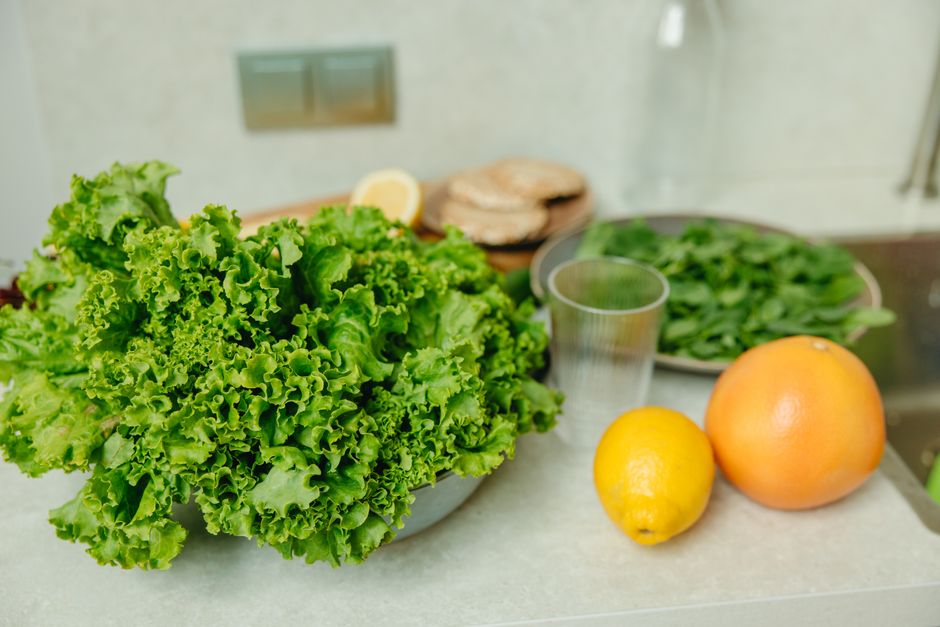
Lettuce gets E. coli when contaminated water, soil, or handling introduces the bacteria onto the leaves, and the bacteria can then survive in the moist, nutrient-rich environment that lettuce provides. Water used for irrigation or washing is the most common route, especially when it carries waste from animals or humans. Once E. coli lands on a leaf, it can attach to the surface and, in some cases, work its way into folds and cut edges where washing cannot reach it. A biofilm — a sticky layer of bacteria and their secretions — helps the bacteria hold on and resist being rinsed away.
How Does Lettuce Get E Coli Water Waste And Biofilm?
The short answer is that lettuce is a leaf crop grown close to the ground and often eaten raw, which gives it multiple chances to pick up bacteria from water, soil, and people. The three main routes are contaminated irrigation water, animal waste in fields or nearby land, and poor hygiene during harvest or processing.
Water is the biggest concern. If irrigation water contains animal manure, runoff from a feedlot, or human sewage, E. coli can be present. The bacteria settle on the leaf surface. Because lettuce leaves are covered in tiny ridges, veins, and folds, some bacteria end up in spots that a quick rinse at home will not clear.
Waste matters because E. coli lives in the intestines of warm-blooded animals, including cattle, birds, and humans. When manure is used as fertilizer without proper treatment, or when wild animals and livestock roam near fields, bacteria can reach the crop. Flooding and heavy rain can spread contaminated water across a field in ways a grower cannot easily control.
Biofilm is the third piece. When bacteria attach to a surface, many of them produce a slimy matrix that helps them stick together and to the leaf. This matrix makes the bacteria harder to remove and, in some conditions, harder for sanitizers to reach. Biofilm does not make lettuce dangerous by itself — it is simply one reason contamination can be stubborn.
Why Is Lettuce More Vulnerable Than Many Other Vegetables?
Lettuce is usually eaten raw, so there is no cooking step to kill bacteria. That single fact raises the stakes for any contamination that happens on the farm or in a processing plant.
The plant’s structure adds to the problem. Leaves are soft and can be bruised or cut during harvest. Damaged tissue releases moisture and nutrients, which can help bacteria survive and multiply. Cut edges on bagged salad are especially exposed.
Growing conditions also play a role. Lettuce is often grown in regions where irrigation is intensive, and it sits low to the ground where splashing water, soil, and animal activity are hard to keep away. Some evidence indicates that bacteria can be taken up into the plant through the roots, though how much this contributes to human illness compared with surface contamination is still debated among researchers.
What Role Does Irrigation Water Play?
Irrigation water is a well-documented route for E. coli to reach leafy greens. Water drawn from rivers, canals, or ponds can carry bacteria from upstream sources such as animal operations, wildlife, or sewage discharge.
How the water is applied matters. Overhead sprinklers wet the leaves directly, which gives bacteria a chance to land on the edible part of the plant. Drip irrigation delivers water to the soil and reduces contact with leaves, which is one reason some growers prefer it for crops eaten raw.
Timing matters too. If contaminated water touches the leaves close to harvest, it is more likely to still be present when the lettuce reaches a consumer. Growers often test water sources, but testing has limits — a sample can miss contamination that appears later.





How Does Animal Waste Contaminate Lettuce?
E. coli from the guts of cattle, sheep, and other animals can reach lettuce fields through manure, runoff, or direct animal intrusion. A single event — a nearby feedlot, a flooded stream, or wild birds and deer moving through a field — can introduce bacteria.
Manure used as fertilizer is a known concern. If it is not composted or treated properly, it can carry live bacteria. Even treated manure can pose some risk if it is applied too close to harvest.
Runoff is harder to manage. Rain can carry contaminated water from higher ground into a lettuce field. Flooding can spread bacteria across an entire crop. These events are difficult to predict and can affect fields that looked clean only days earlier.
What Is Biofilm and Why Does It Matter?
A biofilm is a community of bacteria that stick to a surface and to each other, held together by a self-made slimy layer. When E. coli forms a biofilm on a lettuce leaf or on equipment in a processing plant, it becomes harder to wash away.
Biofilm protects bacteria in several ways. The slimy matrix can slow the penetration of sanitizers. It can also help bacteria survive drying and other stresses. On processing equipment, biofilm that is not fully cleaned can contaminate batch after batch of produce.
It is important not to overstate this. Biofilm is a real factor in how bacteria persist, but it is not the only reason contamination happens, and its exact role in any single outbreak is often difficult to prove. The evidence supports biofilm as a contributor, not the whole story.
Can Washing Lettuce at Home Remove E. Coli?
Washing reduces bacteria but does not eliminate them. Rinsing lettuce under running water can remove some surface contamination, and it is a reasonable step, but it will not reliably remove bacteria that have settled into folds or been taken up into the plant.
This is why public health agencies focus on preventing contamination on the farm and in processing rather than relying on consumers to wash it away. For people at higher risk — older adults, young children, pregnant women, and anyone with a weakened immune system — this matters more, because an E. coli infection can be more serious.
There is no home method that makes contaminated lettuce guaranteed safe. Cooking would kill E. coli, but lettuce is usually eaten raw, so cooking is not a practical option for most uses.
What Do Outbreaks Tell Us About the Sources?
Outbreak investigations have linked leafy greens to contaminated irrigation water, animal waste near fields, and problems in processing facilities. These investigations often point to a specific source, but not always — sometimes the exact route is never confirmed.
What the pattern shows is that contamination can happen at many points, from the field to the bag. That is why prevention is spread across the whole chain: water testing, animal control, sanitation, and careful handling.
It also shows why a single weak point can matter. One contaminated water source or one piece of equipment with biofilm can affect a large amount of produce before anyone notices.
How Is Contamination Prevented?
Prevention happens mostly before lettuce reaches a store. Growers manage water quality, keep animals away from fields, compost manure properly, and follow sanitation rules in processing plants. Testing is used, but it is a check, not a guarantee.
For consumers, the practical steps are limited but reasonable:
- Refrigerate lettuce promptly and keep it cold.
- Rinse leafy greens under running water before eating.
- Throw away lettuce that looks slimy, smells off, or has passed its date.
- Follow any recall notices, since these are issued when contamination is found.
These steps lower risk. They do not remove it entirely, and no home practice can fully undo contamination that happened earlier in the chain.
What Are the Symptoms of an E. Coli Infection?
Many E. coli infections cause stomach cramps and diarrhea, sometimes bloody, starting a few days after exposure. Most people recover without treatment, but some infections, particularly certain strains, can lead to a serious complication affecting the kidneys.
Because symptoms and severity vary, anyone with severe or bloody diarrhea, or signs of dehydration, should seek medical care. This is general information, not a substitute for a doctor’s advice.
Frequently Asked Questions
How does E. coli get on lettuce in the first place?
It usually comes from contaminated water, animal waste, or poor hygiene during harvest and processing. The bacteria land on the leaves and can survive in the moist environment lettuce provides.
Can I wash E. coli off lettuce at home?
Washing removes some bacteria but does not eliminate them, especially those tucked into folds or taken into the plant. There is no home method that makes contaminated lettuce guaranteed safe.
What is biofilm and does it make lettuce dangerous?
Biofilm is a slimy layer that helps bacteria stick to surfaces and resist being washed away. It helps contamination persist, but it is only one factor among several.
Is bagged lettuce riskier than whole heads?
Cut and bagged lettuce has more exposed edges and more handling steps, which can increase the chance of contamination. Whole heads are not risk-free either, since contamination can start in the field.
