
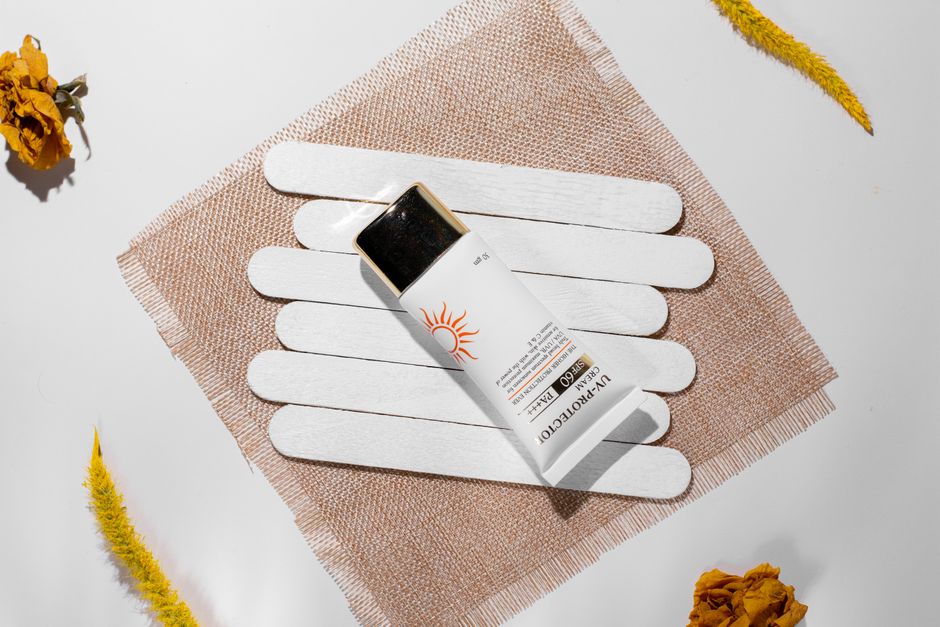
Heliocare is a brand of oral supplements sold for skin protection, and the way it is marketed makes it sound like a swallowable sunscreen. It is not. The products are built around a polyphenol extract from a tropical fern called Polypodium leucotomos, and the evidence suggests this extract can reduce some of the damage ultraviolet radiation causes in skin. It works by interfering with the chemical chain reaction that UV light sets off inside skin cells, not by blocking UV rays the way a lotion does.
That distinction matters more than any marketing claim. A capsule cannot absorb or scatter UV photons. What it may do is make skin slightly more resilient to the oxidative stress those photons create once they penetrate. The research on this is real but modest, and it does not replace sunscreen, shade, or protective clothing.
What Is in Heliocare and What Is the Active Ingredient?
The core ingredient across most Heliocare products is a standardized extract of Polypodium leucotomos, a fern native to Central and South America. Some versions add other ingredients, including niacinamide (a form of vitamin B3), vitamin D, green tea extract, or beta-carotene. The fern extract is the part with the most published research behind it.
The extract contains a mix of phenolic compounds, including chlorogenic acid and ferulic acid. These are antioxidants in the chemical sense: they can donate electrons to unstable molecules and stop them from damaging cell structures. That is a real biochemical property, not a marketing invention.
What is less certain is how much of these compounds actually reaches skin intact after you swallow them. Absorption, distribution, and metabolism of plant polyphenols vary widely between people. Some research suggests measurable effects on skin, but the pharmacokinetics are not fully mapped.
How Does Heliocare Work To Protect Your Skin?
UV radiation damages skin through two main routes. It directly hits DNA and causes structural damage, and it generates reactive oxygen species — unstable molecules that attack proteins, lipids, and DNA. The second route is where oral antioxidants can plausibly intervene.
When UV light strikes skin, it triggers a cascade of oxidative reactions. Free radicals form, inflammation signals ramp up, and cells can accumulate damage. Polypodium leucotomos extract appears to act at several points in this cascade. Research suggests it can scavenge free radicals directly, reduce the activity of enzymes that generate them, and dampen some of the inflammatory signaling that follows UV exposure.
Some studies indicate the extract may also help preserve Langerhans cells, which are immune cells in the skin that UV radiation tends to deplete. That is a meaningful finding because those cells help the skin detect and respond to damage.
None of this means the extract blocks UV. It does not sit on your skin or absorb photons. It changes how skin responds after UV has already penetrated. Think of it as a possible buffer against downstream damage, not a barrier at the surface.
What Does the Research Actually Show?
Human studies on Polypodium leucotomos exist, and several are reasonably designed. They generally measure things like the minimal erythema dose — the amount of UV needed to produce visible redness — or markers of cellular damage in skin samples.
Some trials have found that taking the extract before UV exposure raises the threshold at which skin reddens. Others have shown reductions in sunburn cell formation and oxidative markers. The effects are measurable but modest. They do not approach the protection a sunscreen provides.
It is worth being precise about what “modest” means here. An increase in the minimal erythema dose does not translate directly into a sun protection factor. You cannot calculate an SPF equivalent for an oral supplement, and no regulatory body recognizes one.
Some research points to benefits in specific contexts, such as reducing the frequency of certain skin reactions to sunlight in people with photosensitive conditions. That work is more limited and generally involves small numbers of participants.
The honest summary: the extract has demonstrated biological activity in controlled settings, and some clinical studies support a protective effect against UV-induced damage. The size of that effect in everyday use is not well established.



Does Heliocare Replace Sunscreen?
No. This is the most important point in the article, and it is not a close call.
Sunscreen works by absorbing or reflecting UV radiation before it reaches living skin cells. That is a physical and chemical barrier at the surface. An oral supplement cannot do this. It operates after UV has already entered the skin.
Public health guidance from dermatology organizations is consistent: sun protection means limiting exposure during peak hours, wearing protective clothing, seeking shade, and using broad-spectrum sunscreen. Oral supplements are not part of standard sun protection recommendations.
If you take Heliocare expecting it to let you skip sunscreen, you are using it in a way the evidence does not support. Some clinicians suggest it as an add-on for people with high sun exposure or specific photosensitivity conditions. That is a different use case from replacing topical protection.
Who Might Consider an Oral Sun Protection Supplement?
The people most likely to be discussed in clinical literature are those with conditions that make skin unusually sensitive to light, or those with very high occupational or recreational sun exposure. In those cases, some dermatologists suggest oral antioxidants as one part of a broader strategy.
For the general public, the case is weaker. If you already use sunscreen properly, the added benefit of an oral supplement is unclear and likely small. If you do not use sunscreen, taking a pill instead is a poor trade.
There is also the question of who should avoid these products. People who are pregnant or breastfeeding, people taking immunosuppressant medications, and people with autoimmune conditions should talk to a clinician before starting any oral supplement marketed for immune or skin effects. No clinical guidelines specifically address Polypodium leucotomos use in pregnancy or breastfeeding.
What Are the Limitations and Unknowns?
Several gaps in the evidence are worth naming directly.
- Dosing is not standardized across studies, so it is hard to say what dose produces what effect in a general population.
- Long-term safety data in healthy adults are limited. Short-term studies have not raised major red flags, but that is not the same as proven long-term safety.
- Effects on skin cancer risk have not been established. Reducing oxidative markers is not the same as preventing cancer.
- Individual variation is likely large. Absorption of plant polyphenols differs between people based on genetics, gut bacteria, and other factors.
- Product formulations differ. Results from one extract preparation do not automatically apply to another.
Any claim that an oral supplement prevents skin cancer would be unsupported. No study has confirmed that.
How Should You Think About Oral Sun Protection Overall?
Oral photoprotection is a real area of research, not pure marketing. The biology is plausible, and some human data support a modest effect. But the gap between “measurable biological activity” and “meaningful protection in daily life” is wide, and most products are sold as if that gap does not exist.
The practical framing is this: topical sunscreen, shade, clothing, and timing are the foundation. An oral supplement, if used at all, sits on top of that foundation as a possible small addition. It does not sit underneath it as a substitute.
If you are considering Heliocare or a similar product, the reasonable questions are whether you have a specific reason to want extra support, whether you have discussed it with a clinician, and whether you are already doing the things that actually work. The answers to those questions matter more than the label on the bottle.
Frequently Asked Questions
Does Heliocare actually work?
Research suggests the Polypodium leucotomos extract in Heliocare can reduce some UV-induced damage in skin, but the effect is modest and does not replace sunscreen. The evidence supports biological activity, not strong clinical protection.
Can I skip sunscreen if I take Heliocare?
No. Oral supplements do not block UV radiation the way sunscreen does, so they cannot substitute for topical protection. Dermatology guidance still centers on sunscreen, clothing, shade, and limiting peak sun exposure.
How long before sun exposure should I take Heliocare?
No standardized timing has been established in clinical guidelines, and study protocols vary. Some research used dosing in the hours before exposure, but there is no official recommendation for a specific window.
Is Heliocare safe to take every day?
Short-term studies have not raised major safety concerns, but long-term safety data in healthy adults are limited. People who are pregnant, breastfeeding, or taking medications should check with a clinician first.
